For travellers from Ethiopia and the wider Ethiopian community abroad, a Tanzania safari with Amharic speaking guide support can turn a good holiday into one where every question gets a proper answer. We plan private safaris from our base in Arusha, and we are happy to look for Amharic (አማርኛ) help for your group, while staying straightforward about what is possible.
Native Amharic-speaking safari guides are rare in Tanzania, so we never promise one in advance. What we can do is search for the best fit for your dates, explain the options clearly and confirm what is available before you pay anything.
What Amharic support on safari can look like
Depending on the season and how much notice you give us, there are three realistic arrangements:
- a Tanzanian guide who speaks Amharic as a second language, where such a guide is free for your dates;
- an experienced English-speaking guide-driver working alongside a professional Amharic interpreter who travels in the vehicle with you;
- written Amharic briefings or notes on parks, wildlife and safety, where we can prepare them.
We will tell you which of these we can actually secure, and we will not lock you into one before checking. If your travel date is close, availability is tighter, so ask as early as you can. Later requests are still welcome and we will try our best.
Why your own language matters in the bush
A guide explains far more than the names of animals. They read behaviour: why a lioness is crouching low in the grass, why a herd of elephants has suddenly gone quiet, or why vultures circling ahead may mean a kill. Hearing that in Amharic lets grandparents, children and anyone less confident in English follow along and ask their own questions. Many Ethiopian families travel across generations, and a shared language in the vehicle keeps everyone involved rather than waiting for a younger relative to translate.
Language also helps with park rules, such as staying inside the vehicle and keeping noise down near animals, and with cultural visits. If you meet a Maasai community, an interpreter can help you ask respectful questions about cattle, homesteads and daily life.
How a Tanzania Safari with Amharic Speaking Guide Works
Every trip runs in a private 4×4 with a pop-up roof for standing and photographing. Your guide-driver handles the driving, spotting and park formalities. The booking steps are simple:
- tell us your dates, group size and preferred language arrangement through our safari planning form;
- we check guide and interpreter availability and send a draft itinerary;
- once you are happy, we confirm the language support in writing before you book.
Lodges and camps can usually adapt meals on request, including the meat-free fasting days observed by many Orthodox Christian travellers and halal options for Muslim guests.
Parks and suggested routes
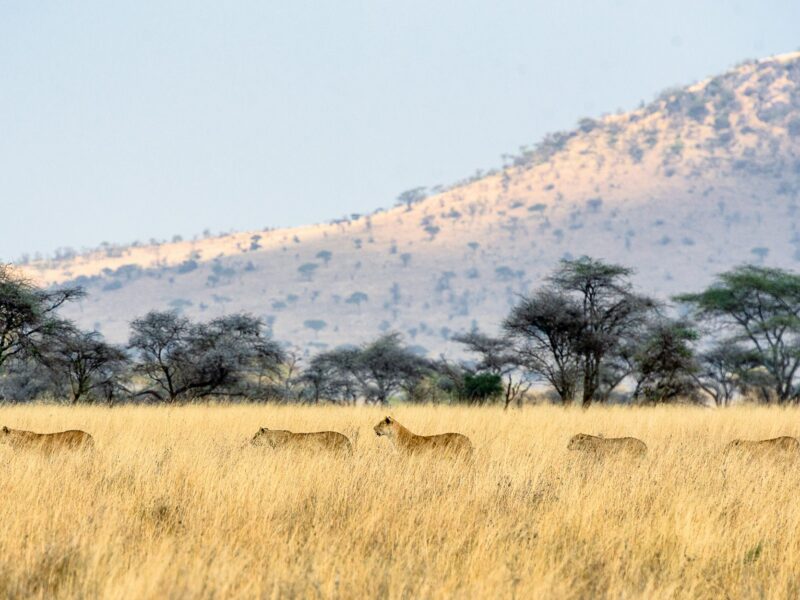
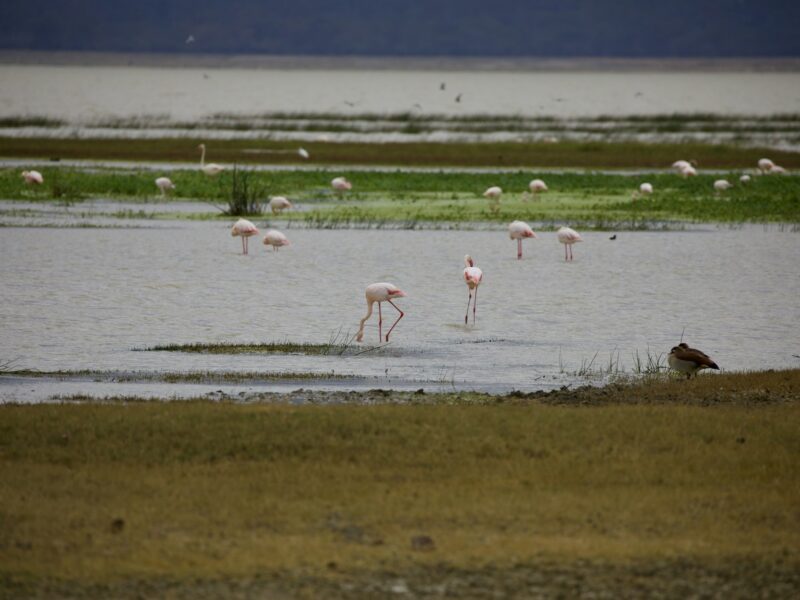
Most first-time visitors choose the northern circuit. The Serengeti National Park is vast open grassland famous for big cats and the Great Migration; you can read more on the Serengeti’s Wikipedia page. The Ngorongoro Crater holds dense wildlife inside a collapsed volcano, while Tarangire is known for elephants and baobab trees and Lake Manyara for its forest and lakeshore birdlife. A four-day Serengeti and Ngorongoro safari suits a short break, and a seven-day Tanzania safari adds Tarangire and Manyara at a gentler pace. Travellers with more time can add southern parks such as Nyerere or Ruaha.
Seasons and travel from Ethiopia
The June to October dry season is the most popular time, as animals gather near water and vegetation thins. In January and February the Great Migration’s calving season takes place in the southern Serengeti and Ndutu area.
Addis Ababa is itself one of the main connecting hubs for East Africa, and from there travellers typically reach Kilimanjaro International Airport (JRO) for northern safaris, or Julius Nyerere International Airport (DAR) and Zanzibar (ZNZ) for other itineraries. Members of the diaspora in Europe or North America often connect through Doha, Dubai, Istanbul or Amsterdam. Entry rules change, so read the current requirements on the official eVisa portal (visa.immigration.go.tz) before travelling. More about the language itself is on the Amharic Wikipedia article.
Frequently asked questions
More Language Guides
Prefer to plan in another language? See all our safari and Kilimanjaro guides by language, or browse: