Highlights of Ruaha National Park
- Large lion prides
- Greater and lesser kudu
- Great Ruaha River
- Remote, uncrowded game drives
Best time to visit
June–November.
Getting there
Around 2 hours by light aircraft from Dar es Salaam.
Ideal for
Experienced safari-goers, predator fans.
Want to include Ruaha National Park in your trip? Browse our Tanzania safari packages or ask for a tailor-made quote.
Big, wild and remote
Ruaha National Park in central-southern Tanzania covers about 20,000 square kilometres, making it one of the largest parks in East Africa. It lies where the miombo woodlands of southern Africa meet the acacia savannas of the east, so it hosts species from both regions.
Wildlife highlights
- Large lion prides, some with more than 20 members
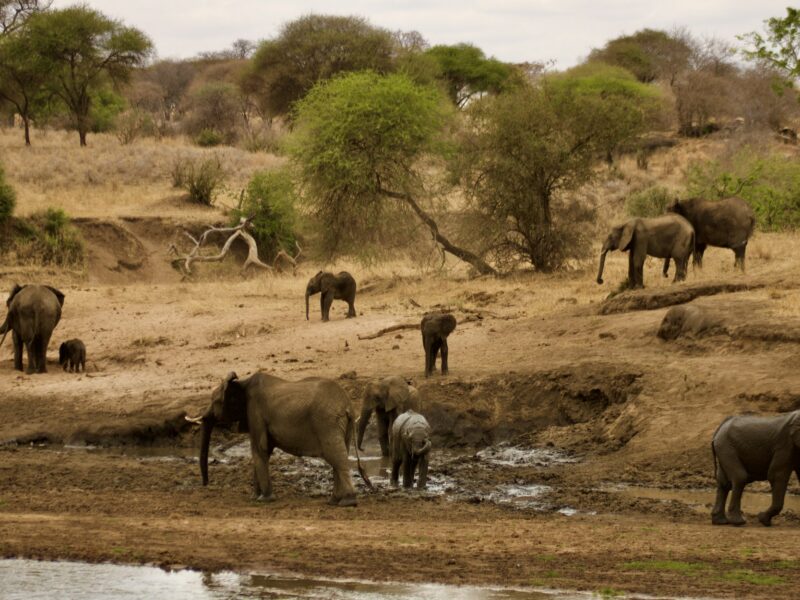
- One of Tanzania’s largest elephant populations
- Greater and lesser kudu, sable and roan antelope
- Leopards, cheetahs, African wild dogs and striped hyenas
- Hippos and crocodiles in the Great Ruaha River
- Over 570 bird species
Activities
- Game drives along the Great Ruaha and Mwagusi sand rivers
- Walking safaris and fly-camping at selected camps
- Night drives in some private areas
Best time to visit
June to November, when animals concentrate along the rivers. The green season from December to April is excellent for birding, and some camps close around April to May.
Getting there
Light aircraft from Dar es Salaam, Zanzibar, Arusha or Nyerere, usually 1.5 to 2.5 hours.
Itineraries
Ruaha’s landscapes
Ruaha’s scenery is dramatic: rocky escarpments, baobab-studded hills, sand rivers and the Great Ruaha River, with palm-fringed waterholes. In the dry season the sand rivers become highways for elephants digging for water.
Why safari connoisseurs love Ruaha
- Large predator populations
- Rare antelope species
- Few vehicles and a wilderness atmosphere
- Excellent guiding and walking
Ruaha through the seasons
| Season | Conditions | Why go |
|---|---|---|
| June to October | Dry, sand rivers empty, animals near permanent water | The classic time for predators and big elephant herds |
| November | Hot, with the first rains possible | Dramatic skies and active wildlife |
| December to March | Green season, lush landscapes | Birding, young animals and lower prices at open camps |
| April to May | Heaviest rains | Many camps close, and roads can be difficult |
Areas of the park
Most visitors stay in the central area near the Great Ruaha River and the Mwagusi sand river, where wildlife concentrates in the dry season. Further south, the Jongomero area is quieter still and suits guests who want a deeper wilderness feel. Camps vary from simple tented camps to comfortable lodges, and walking or fly-camping is possible at selected properties.
A sample day in Ruaha
- Dawn: early tea and coffee, then a game drive along the river while lions and leopards are still active
- Late morning: a guided walk to look at tracks, birds and baobabs
- Midday: lunch and a rest at camp, when the heat builds
- Afternoon: a second drive to the sand rivers, where elephants dig for water
- Evening: dinner and stars, with the calls of hyenas and lions in the night
Getting there by road or air
Most guests fly from Dar es Salaam, Zanzibar, Arusha or Nyerere into an airstrip inside the park, which is the most practical option. Overland, the park is reached via the town of Iringa, but the full drive from Dar es Salaam is long and usually split over two days.
How to combine Ruaha
Ruaha pairs beautifully with Nyerere National Park, which adds boat safaris on the Rufiji River to Ruaha’s dry, rugged plains. Our article on Nyerere vs Ruaha compares the two in detail. You can also add a beach finish on Zanzibar Island, or combine southern and northern parks on the 10 days private north and south safari.
Guide tips for Ruaha
- Allow at least three nights: distances in the park are large and the best areas reward patience.
- Pack layers: dry-season mornings can be cool on an open vehicle, while afternoons are hot.
- Keep an eye on the baobabs, where leopards sometimes rest, and on the river banks for wild dogs.
- Spend extra time looking for kudu, which are far easier to see here than in the north.
Safari itineraries that include this destination
- 5 Days Ruaha National Park Safari (5 Days)
- 10 Days Private North & South Safari (10 Days)
- 12 Days Southern Tanzania Safari (12 Days)
- 15 Days Tanzania Grand Safari (15 Days)
Ruaha on a Tanzania Private Safari
Ruaha is big, wild and remote, and a Tanzania private safari is the best way to explore it. Around two hours by light aircraft from Dar es Salaam, the park covers about 20,000 square kilometres where southern and eastern habitats meet. Your private guide can take you along the Great Ruaha River to find large lion prides, elephants and both greater and lesser kudu.
Why travel privately in Ruaha
- Long, uncrowded game drives at your pace
- Flexibility to focus on predators or rarer antelope
- Time to wait at the river during the dry season
- Combinations with Nyerere or the northern parks
June to November is the best season. Experienced safari-goers and predator fans often choose Ruaha for its sense of space. Explore our private luxury safaris for remote camps, or plan your private safari and we will tailor your time in the south.
Related reading from our Safari Journal
- Nyerere vs Ruaha: Which Southern Tanzania Park Should You Choose?
- Tanzania Welcomes a Record 5.9 Million Visitors: What It Means for Your Safari
- Tarangire's Elephants: When and Where to See the Great Herds
Further reading
Learn more from independent, authoritative sources: