Highlights of Nyerere National Park
- Boat safaris on the Rufiji River
- African wild dogs
- Walking and fly-camping
- Few vehicles
Best time to visit
June–October.
Getting there
Around 45 minutes by light aircraft from Dar es Salaam or Zanzibar.
Ideal for
Repeat visitors, southern circuit, Zanzibar combos.
Want to include Nyerere National Park in your trip? Browse our Tanzania safari packages or ask for a tailor-made quote.
Tanzania’s largest national park
Nyerere National Park was created in 2019 from the northern part of the Selous Game Reserve and named after Tanzania’s first president, Julius Nyerere. At more than 30,000 square kilometres it is the largest national park in Tanzania. The Rufiji River, the country’s largest, flows through it, forming lakes, channels and sandbanks.
Why visit
- Boat safaris on the Rufiji River and its lakes
- Walking safaris with armed guides
- One of Africa’s best areas for African wild dogs
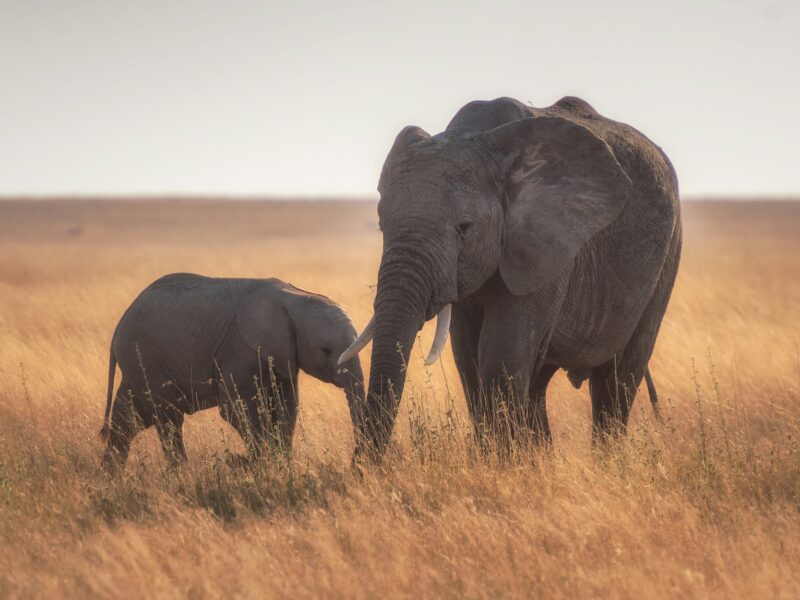
- Large herds of elephants and buffalo
- Lions, leopards, giraffes, hippos and very large Nile crocodiles
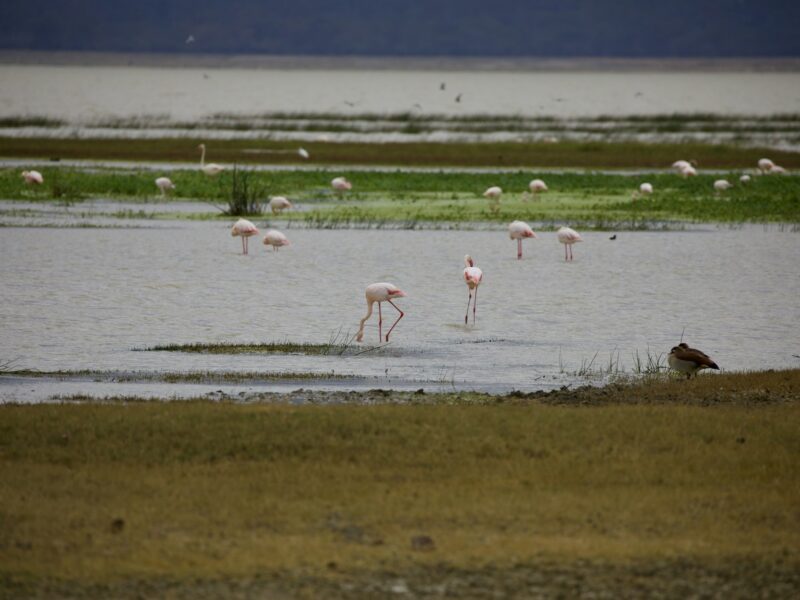
- Over 400 bird species, including fish eagles and carmine bee-eaters
- Very few vehicles compared with the north
Best time to visit
June to October is the dry season with the best game viewing. Many camps close around April and May during the long rains.
Getting there
Scheduled light aircraft fly from Dar es Salaam (about 45 minutes) and Zanzibar (under an hour). There is also road access from Dar es Salaam.
Itineraries
Boat safaris explained
Small motorboats with shaded seating explore the Rufiji River and lakes such as Lake Tagalala and Lake Manze. You approach hippos and crocodiles at a safe distance and see birds at eye level. Boat safaris are especially rewarding in the late afternoon.
Walking in Nyerere
Walks are led by armed rangers or guides and focus on tracks, plants and smaller creatures, with the chance to approach larger animals carefully.
Fly-camping
Some camps offer a night in a simple fly-camp away from the main lodge, sleeping under a mosquito net beneath the stars.
A guide to the park’s landscapes
Most safari camps sit in the northern section of the park, along the Rufiji River and the chain of lakes it feeds, such as Tagalala, Manze and Siwandu. This area combines open woodland, palm-fringed lakes and riverine forest, giving a very different feel from the open plains of the north. The wider Selous ecosystem was listed as a UNESCO World Heritage Site in 1982 for its wilderness and wildlife.
Wildlife by season
| Season | Months | What to expect |
|---|---|---|
| Dry season | June–October | Animals concentrate around the river and lakes; the best game viewing |
| Short rains | November–December | Greener landscapes, birdlife at its best, rising temperatures |
| Green season | January–March | Lush, hot and humid; good value where camps are open |
| Long rains | April–May | Heavy rain; many camps close |
Wild dogs are often seen denning in the dry season, typically around June to August, though sightings are never guaranteed. There is no mass migration here; instead you see resident herds of impala, waterbuck, giraffe and wildebeest, with sable and Lichtenstein’s hartebeest in woodland areas.
A sample day in Nyerere
- 6:30 – Morning game drive along the lakes, looking for lions and wild dogs
- 11:00 – Brunch back at camp overlooking the water
- 13:00 – Rest through the heat of the day
- 15:30 – Boat safari on the Rufiji, with hippos, crocodiles and birds
- 18:30 – Sundowner on a sandbank before returning to camp
Walks usually take place in the early morning with an armed ranger.
How Nyerere fits into your trip
Nyerere is ideal for a short wildlife extension from the coast. Our 3 days Nyerere safari from Zanzibar is a popular way to add a safari to a beach holiday. For longer trips, pair it with Ruaha National Park for contrasting landscapes, or compare the two in our Nyerere vs Ruaha article. Travellers coming from the north can fly from Arusha via Dar es Salaam or Zanzibar and finish on Zanzibar Island.
Health and comfort tips
Nyerere is lower and hotter than the northern parks, so pack light, breathable clothing in neutral colours, a hat and sun protection. It is a malaria area and tsetse flies can be present in some woodland, so long sleeves and insect repellent help. Speak to your doctor about malaria prevention before you travel.
Safari itineraries that include this destination
- Nyerere (Selous) Day Trip from Zanzibar (1 Day)
- 3 Days Nyerere Safari from Zanzibar (3 Days)
- 12 Days Southern Tanzania Safari (12 Days)
- 15 Days Tanzania Grand Safari (15 Days)
- 17 Days Tanzania Safari & Zanzibar (17 Days)
Where to stay: dar es salaam hotels
Compare our hand-picked dar es salaam hotels, including Hyatt Regency Dar es Salaam, The Kilimanjaro, Dar es Salaam Serena Hotel, Johari Rotana, Sea Cliff Hotel, or browse all Tanzania safari accommodation.
Nyerere on a Tanzania Private Safari
Nyerere National Park, created in 2019 from the northern part of the Selous Game Reserve, is Tanzania’s largest national park and has few vehicles, which suits a Tanzania private safari perfectly. Arriving by light aircraft from Dar es Salaam or Zanzibar in about 45 minutes, you can spend your days mixing game drives with boat safaris on the Rufiji River and walks.
Private activities to consider
- Boat safaris among hippos, crocodiles and birds
- Walking and fly-camping where available
- Searching for African wild dogs
- Combining with Ruaha or a Zanzibar stay
With your own guide you decide the balance between water, foot and vehicle. June to October is the best time. Browse our private luxury safaris for southern camps, or plan your private safari and we will design a route through the south.
Related reading from our Safari Journal
- Nyerere vs Ruaha: Which Southern Tanzania Park Should You Choose?
- The Best Beaches in Zanzibar and Where to Stay
- Zanzibar Food Guide: What to Eat and Where
Further reading
Learn more from independent, authoritative sources: