As-salamu alaykum (السلام عليكم). For families and couples from the Gulf, Egypt, the Levant and North Africa, a Tanzania safari with Arabic speaking guide turns a long-awaited holiday into something truly relaxed: the stories, the safety advice and the jokes all come in Arabic (العربية).
Arabic is one of the languages requested regularly in Tanzania. A guide fluent in Arabic is arranged on request, and before you book we confirm that the guide is free on your dates.
Comfort, privacy and your own language
Many Arabic-speaking travellers arrive as extended families, often with young children and grandparents. In that setting, a guide who speaks Arabic is far more than a convenience. Children can ask about every animal they see, older relatives can follow the commentary without relying on someone else to translate, and the whole group can talk openly with the guide about what they would like to see next.
Because each safari is private, the day can be shaped around your family. Your guide can plan stops so that there is time for prayer, adjust game drives around rest after lunch and suggest quieter viewing spots away from other vehicles.
Halal food and practical arrangements
Lodges and camps in Tanzania can usually arrange halal meals on request, and many are used to catering for Muslim guests. Tell us your requirements, including any other dietary needs, and we will confirm them with each property in advance. Where helpful, we can also ask lodges about family rooms or connecting rooms.
Your transport is a private 4×4 with a pop-up roof, driven by your guide. Booking follows a few simple steps:
- share your dates and group details on our plan my safari page;
- we check Arabic-speaking guide and lodge availability, then send a suggested itinerary;
- we refine it with you and confirm everything in writing.
Travellers who prefer a higher level of comfort often choose our private luxury safaris or the 5-day luxury Tanzania safari.
Highlights for a Tanzania safari with Arabic speaking guide
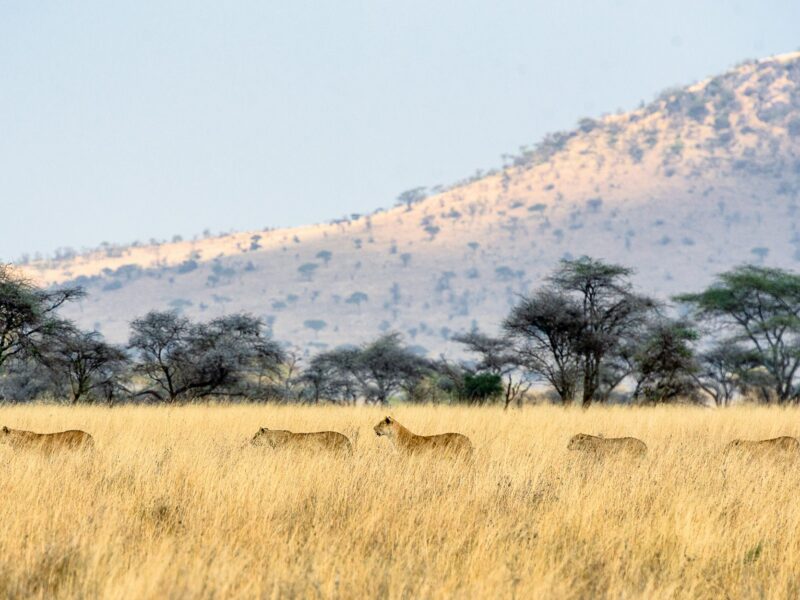
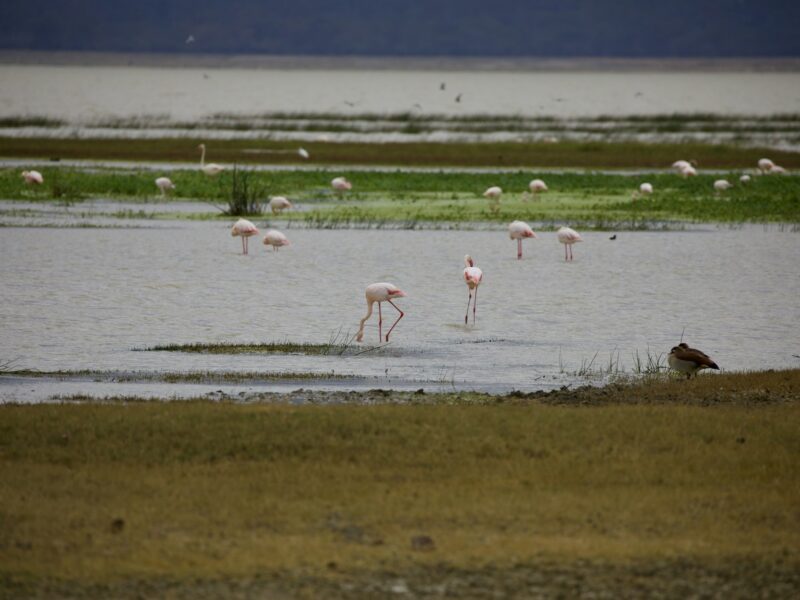
The Serengeti is the essential stop, with lions, cheetahs, leopards and enormous herds. The Ngorongoro Crater offers a concentrated taste of East African wildlife in a single day. Tarangire’s elephants and baobab trees are a favourite with photographers, and Lake Manyara is a pleasant stop for birdlife and forest scenery. The southern parks, such as Nyerere, are an option for repeat visitors.
Your guide will also explain the traditions of the Maasai, whose villages you may pass on the way to the crater, and the conservation rules that protect each park.
Zanzibar: a natural extension
Zanzibar has a long shared history with Oman and the wider Arabian Peninsula, and its old Stone Town reflects centuries of Swahili, Arab, Indian and European influences. Most of the island’s population is Muslim, which many Arabic-speaking visitors find makes the beach part of their holiday feel especially comfortable. See Zanzibar Island or the 7-day safari and Zanzibar package.
Seasons and flights
For general wildlife viewing, the June to October dry season is excellent, which suits many families travelling in the Gulf summer holidays. January and February bring the calving season in the southern Serengeti and Ndutu. Ramadan and Eid dates shift each year, so let us know if your trip overlaps with them.
International visitors normally arrive at Kilimanjaro International Airport (JRO), Julius Nyerere International Airport (DAR) in Dar es Salaam or Zanzibar (ZNZ). Travellers from the Middle East and North Africa can often connect through hubs such as Doha, Dubai, Istanbul, Addis Ababa or Nairobi.
Arabic-speaking guides are more limited, especially during summer holidays, so contact us early. We still do our best when your travel dates are near. For further reading, see the Arabic language and the Serengeti on Britannica.
FAQs
More Language Guides
Prefer to plan in another language? See all our safari and Kilimanjaro guides by language, or browse: