Highlights of Katavi National Park
- Huge buffalo herds
- Hippo concentrations
- True wilderness, very few visitors
Best time to visit
July–October.
Getting there
Light-aircraft flights, usually combined with Mahale or Ruaha.
Ideal for
Experienced travellers, fly-in safaris.
Want to include Katavi National Park in your trip? Browse our Tanzania safari packages or ask for a tailor-made quote.
Africa as it once was
Katavi National Park in western Tanzania is one of the least visited parks in Africa. Its floodplains, palm-fringed rivers and miombo woodland see only a handful of visitors each year, giving a true sense of wilderness.
Dry-season spectacle
In the late dry season the Katuma River shrinks into pools packed with hundreds of hippos and crocodiles. Buffalo gather in herds that can number in the hundreds, followed by lions and hyenas.
Practical information
Katavi is reached by charter or scheduled light aircraft, usually combined with Mahale or Ruaha. Accommodation is limited to a few seasonal camps. The best time is July to October.
Who should visit Katavi
Katavi suits experienced travellers who value wilderness over comfort and are happy with longer flights. It rewards with exclusive sightings in a truly untouched setting.
Combining Katavi
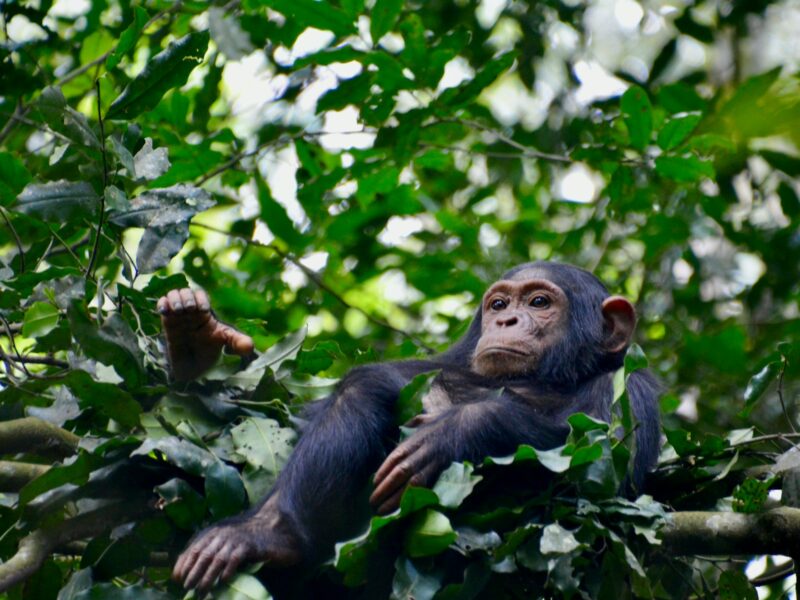
Katavi pairs well with Mahale Mountains for chimpanzees, using the same light-aircraft circuit.
The landscape of Katavi
Covering roughly 4,500 km², Katavi is one of Tanzania’s larger national parks, though it feels even bigger because so few people visit. Its heart is a series of floodplains – the Katisunga plain is the most famous – linked by the Katuma River and seasonal lakes such as Lake Chada and Lake Katavi. Around them lie miombo woodland, palm groves and acacia thickets.
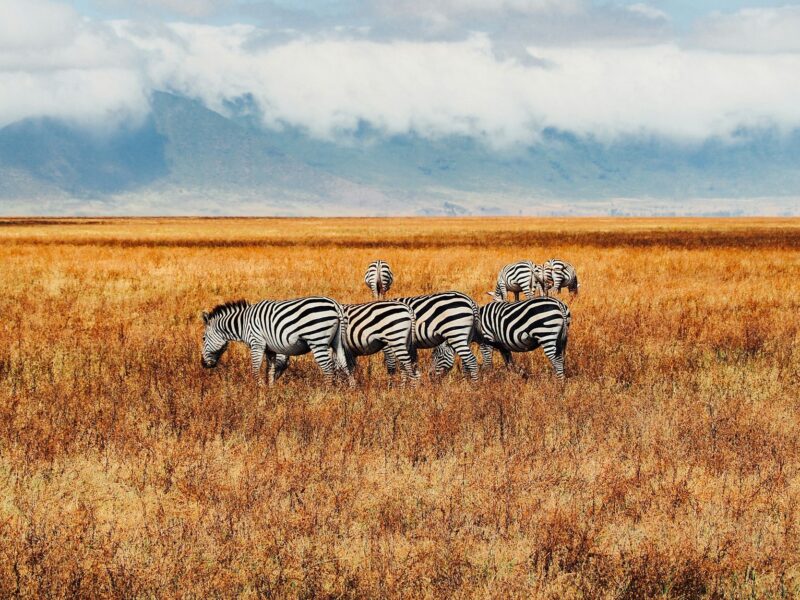
During the rains the floodplains turn green and marshy. As the dry season advances the water retreats, grasses turn golden and wildlife concentrates along the remaining channels and pools.
Wildlife by season
| Period | What to expect |
|---|---|
| May–June | Early dry season, plains drying, game starting to gather |
| July–August | Good game viewing, buffalo herds forming near water |
| September–October | Peak dry season, hippos packed into shrinking pools, intense predator activity |
| November–April | Rainy season, many camps closed and roads difficult |
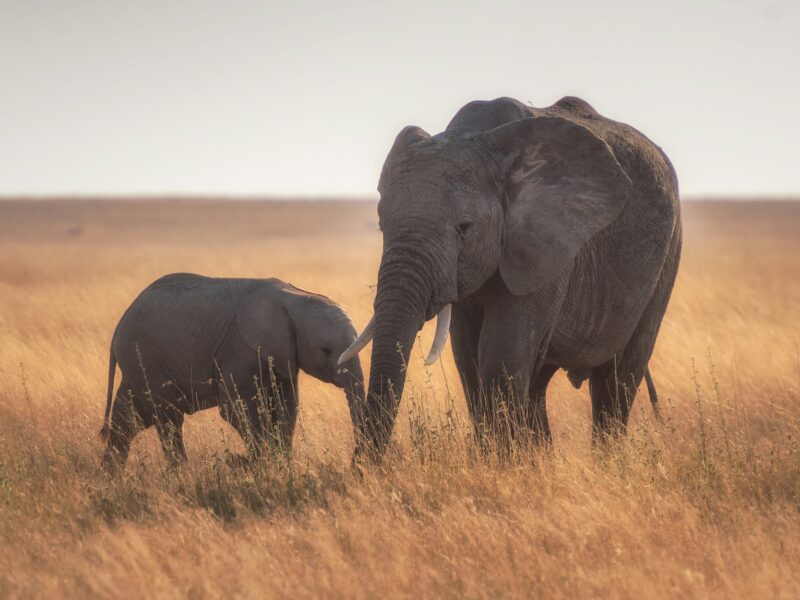
Besides buffalo, hippos and crocodiles, Katavi is home to elephants, giraffes, zebras, topi, eland and roan and sable antelope. Lions and spotted hyenas follow the buffalo, and leopards hunt in the woodland. Birdlife along the rivers is excellent.
What a day in Katavi looks like
Safaris here are slower and more personal than in the northern parks. A typical day starts with a morning game drive to the floodplains, where you may sit with a buffalo herd or a pride of lions without another vehicle in sight. Afternoons can include a walking safari with an armed ranger, a great way to read tracks and understand the smaller life of the bush. The hippo pools in the late dry season are an unforgettable – and noisy – sight.
Planning a Katavi safari
Because Katavi is remote, it is usually visited by light aircraft as part of a western Tanzania circuit. Many travellers combine three or four nights in Katavi with chimpanzee trekking in Mahale Mountains National Park on the shores of Lake Tanganyika. Others link it with Ruaha National Park for a southern and western wilderness trip.
Our 12 days private Katavi and Mahale safari is designed around this route, and our fly-in safaris in Tanzania page explains how light-aircraft trips work.
Things to know before you go
- Flights to the west run on set days, so your dates may need some flexibility
- Light aircraft have strict luggage limits; soft bags are required
- Tsetse flies occur in woodland areas, so wear neutral colours rather than dark blue or black
- Camps are simple but comfortable, with the focus on location and guiding
Katavi National Park as a Private Safari
Katavi is reached by light aircraft, usually alongside Mahale or Ruaha, and it receives only a handful of visitors each year. That remoteness is exactly why it works so well as a Tanzania private safari: with your own guide and plan, the days follow the wildlife rather than a fixed group schedule.
What travelling privately means here
- Time in the field shaped around the late dry season, when the Katuma River shrinks and hippos and crocodiles concentrate
- Unhurried time with the huge buffalo herds
- Flight connections planned so Katavi can be paired with chimpanzee trekking at Mahale
Katavi suits experienced travellers who have already seen the northern parks and want true wilderness. We tailor the number of nights, the season and the combination of parks to your interests, and it fits naturally into our private luxury safaris.
When you are ready, plan your private safari with our team in Arusha.
Related reading from our Safari Journal
- Chimpanzee Trekking in Tanzania: Gombe vs Mahale
- Nyerere vs Ruaha: Which Southern Tanzania Park Should You Choose?
- Tanzania Welcomes a Record 5.9 Million Visitors: What It Means for Your Safari
Further reading
Learn more from independent, authoritative sources: