How booking a private Great Migration safari works
- Send your dates, group size and budget by WhatsApp, email or the form.
- We check live availability with camps, lodges and our own vehicles.
- You receive a clear, itemised quote, usually the same day.
- Confirm with a deposit and we send your final itinerary and travel documents.
- Your guide meets you at the airport or hotel and the safari begins.
What is usually included
- Private 4×4 safari vehicle with pop-up roof
- Professional English-speaking driver-guide
- Park and conservation fees as per itinerary
- Accommodation and meals as per itinerary
- Bottled drinking water during game drives
- Airport and hotel transfers in Arusha
Recommended trips
Ready to go? Send us your dates for a free quote, or browse all Tanzania private safari deals.
Why choose a private safari with us
- Same-day replies with real availability
- Our own vehicles and guides based in Arusha
- Written, itemised quotes with park fees shown
- Flexible lodge choices across budget, mid-range and luxury
Following the herds with your own guide
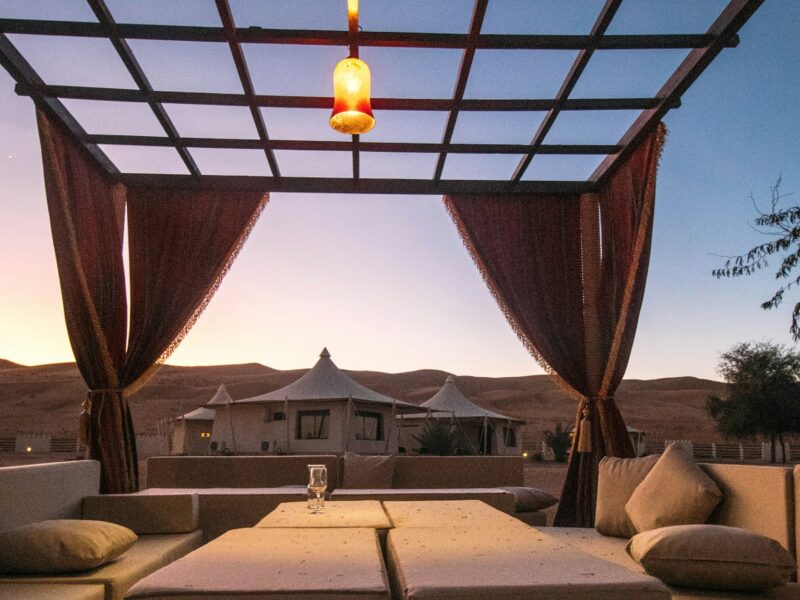
Mobile tented camps move with the migration and are often well placed for the action. We confirm where the herds are before you travel and route you accordingly, from Ndutu in February to the Mara River in August.
What happens after you enquire
- We reply with options and a clear quote
- You confirm and pay a deposit (the balance is due before departure)
- We send your itinerary, packing list and pick-up details
- Your guide meets you at the airport or your hotel
Where the herds are by month
- December to March: Ndutu and the southern plains (calving)
- April to June: central Serengeti and Western Corridor
- July to October: northern Serengeti and the Mara River
- November: moving south through the east
Private migration itineraries
Matching your dates to the right part of the Serengeti
The most important decision on a private migration safari is where to base yourself. The herds move with the rains, so we look at the latest reports from guides in the field before suggesting a route. The table below shows the pattern we typically plan around; for more detail see our Great Migration month-by-month guide.
| Your travel dates | Where we usually base you | What you may see |
|---|---|---|
| December to March | Ndutu and the southern plains | Calving, big herds on short grass, cheetahs and lions hunting |
| April to May | Central Serengeti, Seronera area | Herds moving north through green plains, quieter roads |
| June to early July | Western Corridor and central Serengeti | Rutting wildebeest, possible Grumeti River crossings |
| July to October | Northern Serengeti near the Mara River | River crossings, large herds on both banks |
| November | Eastern and central Serengeti | Herds heading south after the short rains begin |
A sample private route
If you contact us in August with five days to spare, a typical plan might look like this:
- Day 1: Arusha to the Ngorongoro highlands, overnight near the crater rim
- Day 2: Morning in the Ngorongoro Crater, then drive to the central Serengeti
- Day 3: Drive north with game viewing on the way, overnight at a tented camp near the Mara River
- Day 4: Full day by the river, waiting for crossings
- Day 5: Morning drive, then a light-aircraft flight back to Arusha
Driving from Arusha to the northern Serengeti takes most of two days, so on shorter trips we often suggest flying one or both ways. Our 5 days private Great Migration fly-in safari is built around exactly that.
Realistic expectations at the river
Crossings are spectacular but unpredictable. Herds can gather on the bank for hours and then turn away, or cross suddenly at a point a few kilometres upstream. Our guides usually position you at a known crossing point, keep a respectful distance and stay patient. Packing lunch and spending a full day by the river gives you the best chance. Our 7 days Mara River crossing safari allows several days in the north for this reason.
Who this trip suits
- Travellers with fixed holiday dates who can be flexible on the camp
- Photographers who want long, patient days with the herds
- Families and couples happy to spend time on the road between areas
- First-timers who want to see the Serengeti at its busiest and most dramatic
Calving season in the south has a different rhythm: shorter drives, open plains and lots of predator activity. If your dates fall between December and March, read about the Ndutu area and calving season.
Following the Migration Privately
The herds can shift a long way in a few days, so the most valuable thing you can have is the freedom to move with them. A private vehicle lets your guide change plans at dawn on the strength of fresh reports, head for a river crossing point and wait there as long as you are willing. A Tanzania private safari built around the migration is about patience and positioning rather than a fixed loop.
Why private suits the migration
- Your guide decides the route each morning based on the herds
- Long waits at crossing points are your choice, not a group compromise
- Mobile camps close to the action can be booked for your nights
- Fly-in options shorten the transfer when time is limited
Crossings and calving are natural events, so no operator can guarantee them, but being well placed with time to wait improves your chances.
Explore our private luxury safaris or plan your private safari with our team.
Related reading from our Safari Journal
- Great Migration 2027: Where the Herds Should Be, Month by Month
- How to See a Mara River Crossing: Tips From Our Guides
- Ngorongoro Crater vs Serengeti: Do You Need to Visit Both?
Further reading
Learn more from independent, authoritative sources: