A Tanzania photographic safari is built around light, patience and positioning rather than a checklist of animals. Northern Tanzania packs open savannah, volcanic highlands, soda lakes and baobab country into a compact area, so a photographer can change backdrops, subjects and moods without long internal flights. We plan every trip as a Tanzania private safari, which means the vehicle, the timing and the pace follow your camera rather than a group timetable.
This guide explains why the country rewards serious and casual photographers alike, where to go, when each area looks its best, how a private photo safari works day to day and what to pack. A comparison of our 3 to 10 day itineraries follows further down.
Why Tanzania Works for Wildlife Photography
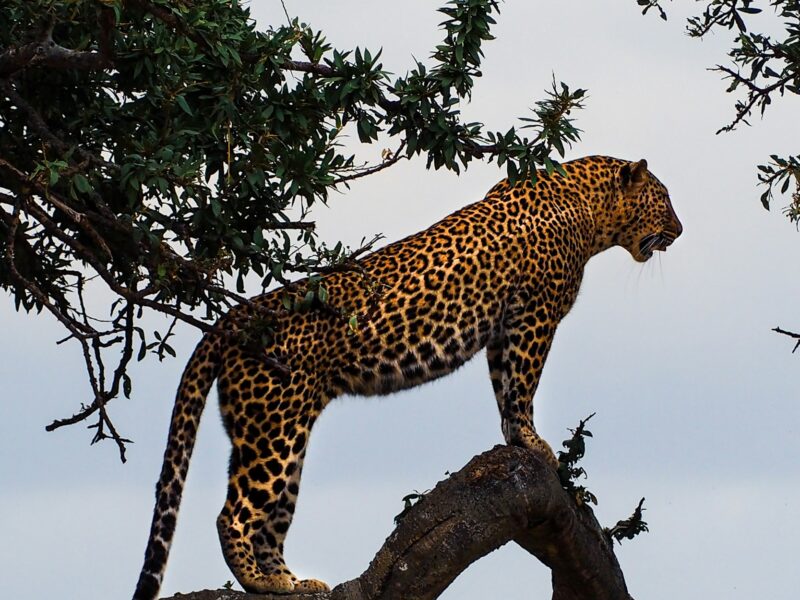
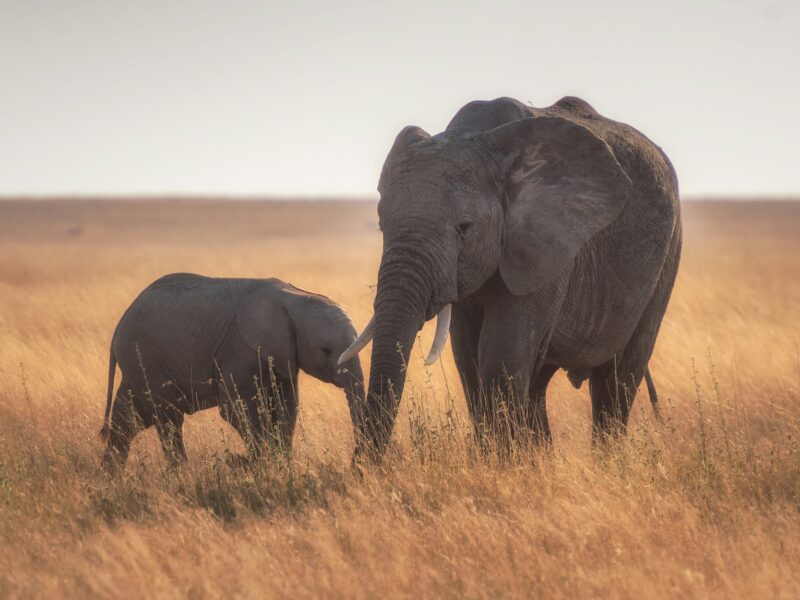
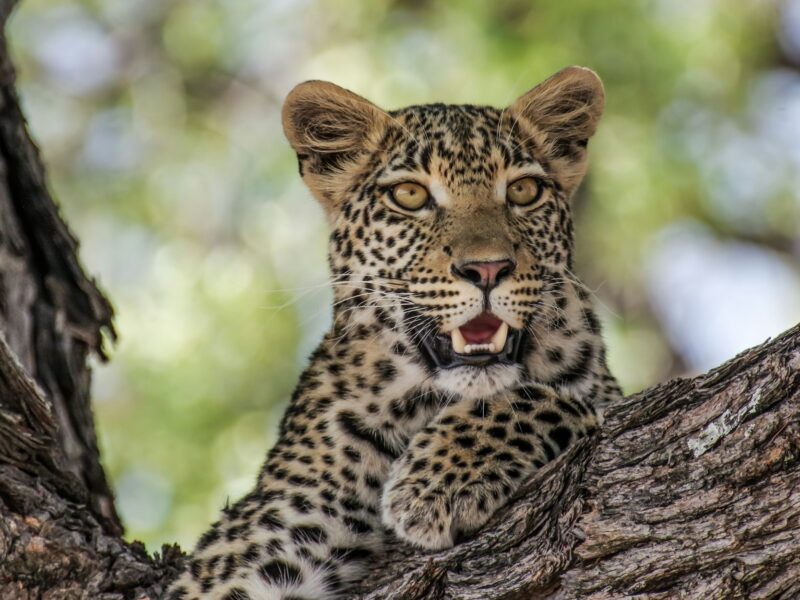
Few destinations offer such a range of subjects within a few hours’ drive. Lions resting on Serengeti granite kopjes, elephant herds walking beneath ancient baobabs in Tarangire, flamingos feeding on alkaline shallows and buffalo grazing below the walls of Ngorongoro Crater all sit on the same northern circuit. Tanzania also has more than 1,100 recorded bird species, so quiet moments between big sightings still produce rollers, bee-eaters, raptors and weavers to work with.
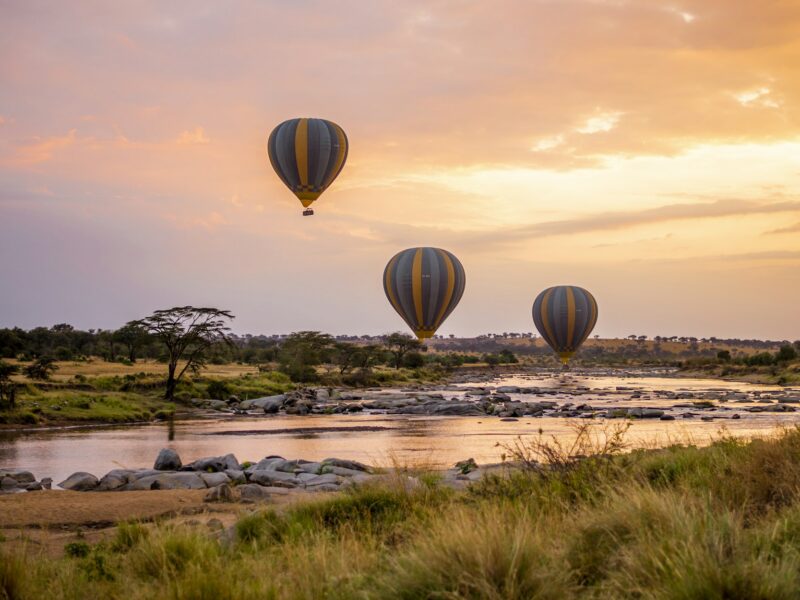
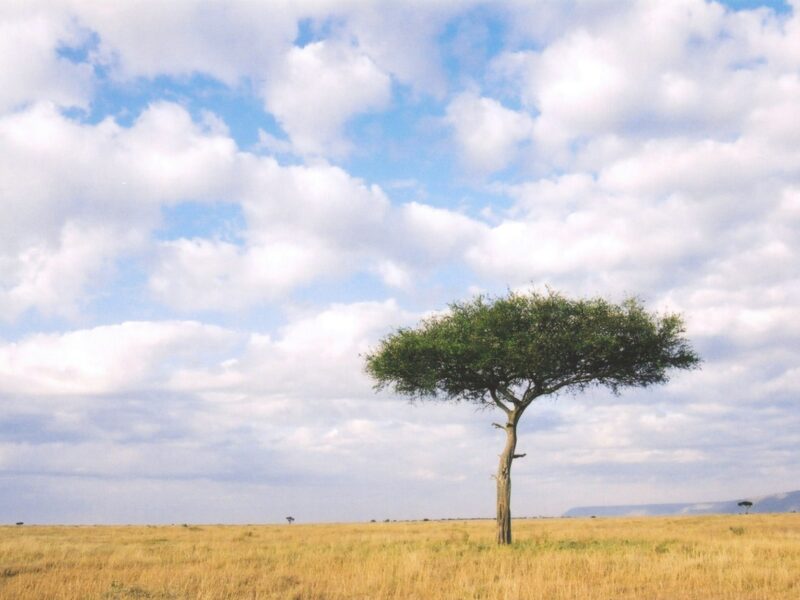
Landscape is the other half of the story. Flat-topped acacias make clean silhouettes, green-season storm clouds add drama, and dry-season dust turns low sun into a warm haze. Near the equator the sun rises and sets quickly, so the golden hour is short and every minute of soft light matters.
Where to Go
- Tarangire: elephants, baobabs and the river valley, at its busiest with wildlife in the dry months.
- Lake Manyara: shaded groundwater forest, baboon troops and a lake shore that often holds flamingos.
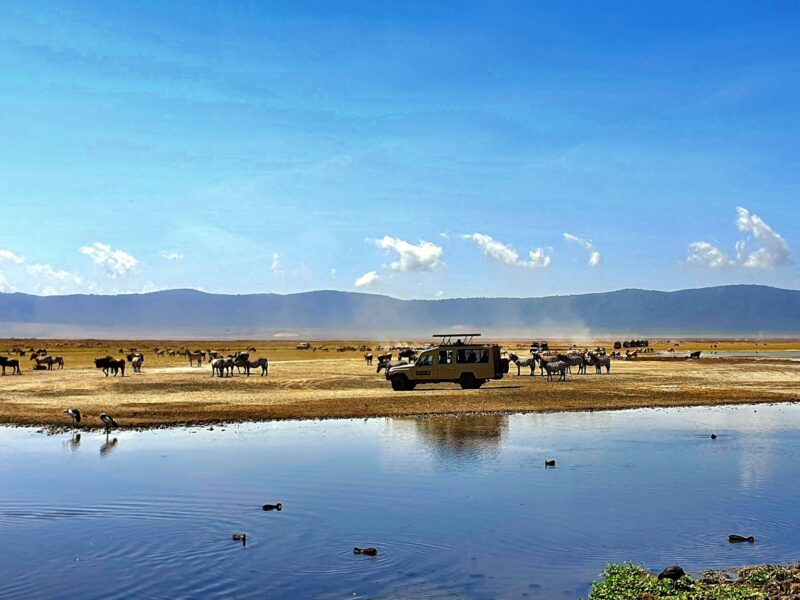
- Ngorongoro Crater: dense wildlife on the crater floor with the crater wall as a natural backdrop.
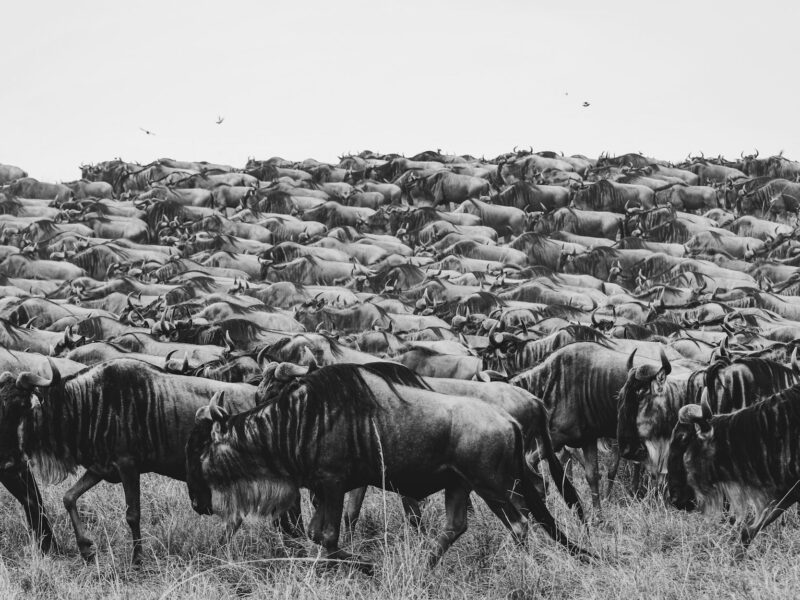
- Serengeti: big cats, plains game and the wildebeest migration, which moves around the ecosystem through the year.
- Ndutu area: the calving season around January and February, with predators following the herds.
- Lake Natron: breeding lesser flamingos, salt textures and the cone of Ol Doinyo Lengai.
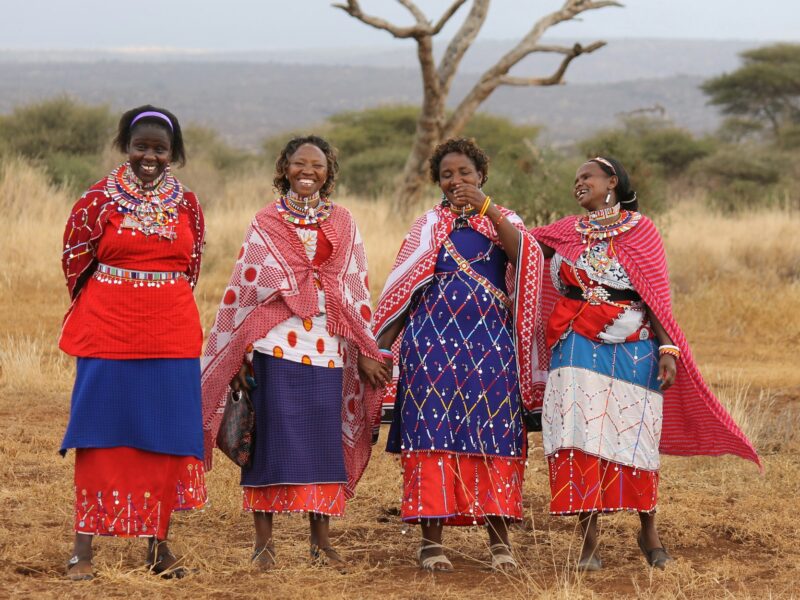
- Arusha National Park and Lake Eyasi: forest primates, Mount Meru views, and respectful cultural portraits by consent.
When to Go
The long dry season from June to October thins the vegetation and draws animals to permanent water, which makes subjects easier to find and frame. In the northern Serengeti, Mara River crossings typically happen between July and October, though timing varies and no crossing can be promised.
The green season from November to May brings fresh grass, cleaner air and dramatic skies. Calving in the Ndutu area and the southern Serengeti peaks around January to February, an intense time for predator action. Short rains usually fall in November and December, and the heaviest showers come in April and May, when some tracks become slow.
How a Private Photographic Safari Works
You travel in a private 4×4 with a pop-up roof, and you can ask us to limit the number of passengers so that everyone has a window and room to move. Bean bags and window or roof supports can be supplied on request, where available. Your guide is briefed on what you want to shoot and will think about sun angle, background and wind direction when positioning the vehicle.
Some rules shape every photo trip. Off-road driving is prohibited in the national parks, so guides stay on the tracks. Gate opening and closing times set by Tanzania National Parks limit very early starts and late finishes inside the parks, so check current rules when planning. Night drives are generally not allowed inside national parks, and drone use is generally not allowed without official permission, so we advise leaving drones at home.
What to Bring
- A long zoom such as 100–400mm or 150–600mm, plus a wide or standard zoom for landscapes.
- A second body if you have one, to avoid changing lenses in the dust.
- Plenty of memory cards, a backup drive and spare batteries.
- A blower, microfibre cloths and a rain cover or pillowcase to keep kit clean.
- A car charger or adaptor, as in-vehicle charging is available in many vehicles but not all.
Our long-standing photography safaris in Tanzania page adds more ideas on kit and technique.
Compare Our Photographic Itineraries
| Days | Route | Highlights |
|---|---|---|
| 3 Days Tanzania Photographic Safari | Tarangire, Lake Manyara, Ngorongoro Crater | Baobabs, forest light, crater floor |
| 4 Days Tanzania Photographic Safari | Arusha NP, Tarangire, Ngorongoro, Lake Manyara | Colobus, Mount Meru, elephants |
| 5 Days Tanzania Photographic Safari | Tarangire, central Serengeti, Ngorongoro | Kopjes, big cats, crater wildlife |
| 6 Days Tanzania Photographic Safari | Tarangire, Lake Manyara, Serengeti, Ngorongoro | Two Serengeti nights, varied habitats |
| 7 Days Tanzania Photographic Safari | Tarangire, Ndutu, Serengeti, Ngorongoro | Calving season action in season |
| 8 Days Tanzania Photographic Safari | Tarangire, Lake Natron, Serengeti, Ngorongoro | Flamingos, Ol Doinyo Lengai, plains |
| 9 Days Tanzania Photographic Safari | Tarangire, Lake Eyasi, Serengeti, Ngorongoro | Cultural portraits, long Serengeti stay |
| 10 Days Tanzania Photographic Safari | Tarangire, Manyara, central and northern Serengeti, Ngorongoro | Mara River area in season |
Plan Your Photographic Safari
Tell us your travel dates, the subjects you most want to photograph, the lenses you are bringing and how many people will share the vehicle. We will suggest a route, explain the light and season you can expect, and adjust the pace to suit you. Start with our short plan my safari form and we will reply with ideas.