Yoruba (Yorùbá) is spoken across south-western Nigeria and in parts of Benin and Togo, and it travels with large communities in the United Kingdom, the United States and elsewhere. If you would like a Tanzania safari with Yoruba speaking guide options, our Arusha team can design a private trip and look into how Yoruba can be part of it.
Many Yoruba speakers, particularly those from Nigeria where English is an official language, are comfortable with an English-speaking guide. Others want Yoruba for a parent or grandparent, or simply for the pleasure of hearing the safari in their own tongue. Native Yoruba-speaking guides are rare in Tanzania, and we say that plainly; whatever we arrange is confirmed before you book.
Tanzania Safari with Yoruba Speaking Guide: Realistic Choices
- Second-language guide: a Tanzanian guide-driver who has learned Yoruba, when one is available.
- Travelling interpreter: a professional Yoruba interpreter who sits with you in the vehicle while an English-speaking guide drives and explains.
- Written support: Yoruba notes on the wildlife and park rules, where we can provide them.
We will not choose for you before checking dates. Language support is tighter when trips are booked close to departure, so ask early, though we plan around all sorts of timings and will try our best.
Hearing the story behind each sighting
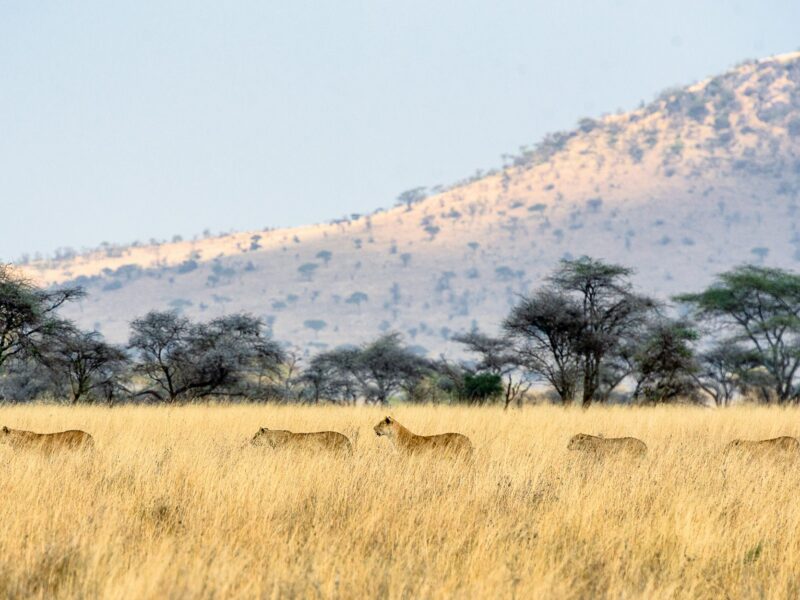
The best part of a game drive is understanding what you are watching. Why does a male lion leave the shade at dusk? How do zebras and wildebeest benefit from grazing together? Why do impala leap so high when a predator is near? An interpreter or Yoruba-speaking guide makes those answers available to everyone in the vehicle, including elders who may prefer Yoruba for detailed conversation. It also helps when your guide explains park rules, such as the ban on leaving the vehicle except at designated spots.
Greetings and respect for elders matter in many Maasai homes, and on a village visit an interpreter makes it easier to ask thoughtful questions and to understand the answers.
Celebrations, photography and how the trip runs
Safaris are a popular way to mark milestones: a significant birthday, an anniversary or a reunion of university friends. Our photography safaris allow longer stops at sightings and time for good light. Every trip uses a private 4×4 with a pop-up roof and your own guide-driver, so you set the pace. To book, send your dates and wishes through our safari planner; we check language options, share an itinerary and confirm the arrangement in writing before you pay. Lodges can usually arrange halal meals or other dietary requests if told in advance.
Route ideas and parks
- A three-day Tarangire, Ngorongoro and Lake Manyara safari is a compact introduction.
- The five-day northern circuit safari adds the Serengeti, home to the Great Migration.
- Southern parks such as Nyerere and Ruaha suit repeat visitors.
The Ngorongoro Crater is a collapsed volcano whose floor supports a dense population of grazers and predators, Tarangire is famous for elephants, and Lake Manyara pairs a lakeshore with lush forest. Before you travel, the Britannica entry on Serengeti National Park is a good read.
Seasons and flights from West Africa and the diaspora
June to October brings dry weather and concentrated wildlife, and January and February are the calving months in the southern Serengeti and Ndutu. From Lagos or Abuja, travellers commonly connect via Addis Ababa, Nairobi, Doha or Dubai to Kilimanjaro International Airport (JRO), Dar es Salaam’s Julius Nyerere International Airport (DAR) or Zanzibar (ZNZ). From the UK or North America, Amsterdam, Istanbul and Doha are common hubs. Requirements differ by passport, so check the official eVisa portal (visa.immigration.go.tz) for your own. Learn more about the language on the Yoruba language page.
Yoruba safari FAQs
More Language Guides
Prefer to plan in another language? See all our safari and Kilimanjaro guides by language, or browse: