Bhojpuri (भोजपुरी) is spoken by tens of millions of people across Bihar, eastern Uttar Pradesh and Jharkhand, in the Terai of Nepal and in communities from Mauritius to the Caribbean. If your family would enjoy a Tanzania safari with Bhojpuri speaking guide support, we can plan the trip from Arusha and look carefully at how to bring your language into the vehicle.
Let us be clear: native Bhojpuri-speaking safari guides are very rare in Tanzania, and we will not pretend otherwise. Instead we look for the most practical option for your dates and confirm it in writing before you book.
Three ways to bring Bhojpuri on safari
- A guide with Bhojpuri as a second language, if one is available when you travel.
- An English-speaking guide-driver paired with a professional Bhojpuri interpreter who rides with you.
- Bhojpuri written notes about the parks, animals and safety rules, where we can produce them.
If your group is also comfortable in Hindi, mention it, as that widens the search. Help in your language is harder to secure close to departure, so the earlier you ask the better, but we will still work hard on a late request.
Why it helps to hear the bush explained in Bhojpuri
Safaris often bring three generations together: grandparents who prefer Bhojpuri, parents who switch between languages and children who mostly speak English. A shared language means the whole vehicle can follow the guide’s explanation of why giraffes splay their legs to drink, how a cheetah’s solid spots differ from a leopard’s rosettes, or why warthogs run with their tails held straight up. Questions come more easily, and nobody misses the moment while waiting for a translation.
Interpreting also helps on cultural stops. Visiting a Maasai boma or meeting Hadzabe hunter-gatherers near Lake Eyasi is far more meaningful when you can ask about family life, livestock and traditions directly and politely.
Food, comfort and pace
Vegetarian food matters to many Bhojpuri-speaking families. Most lodges and camps can prepare vegetarian meals on request, and some can manage stricter needs such as no onion or garlic if told in advance, though that is worth confirming property by property. Days can include a midday rest, and our family safaris are designed around children’s energy and older travellers’ comfort.
Your Tanzania Safari with Bhojpuri Speaking Guide, Stage by Stage
You travel in a private 4×4 with a pop-up roof, so everyone can stand for photographs and fresh air. Your guide-driver manages the route, the spotting and the park permits. Booking is straightforward: send us your dates and group details via the plan my safari page, we check language options and draft an itinerary, and nothing is final until you approve both.
Parks to include
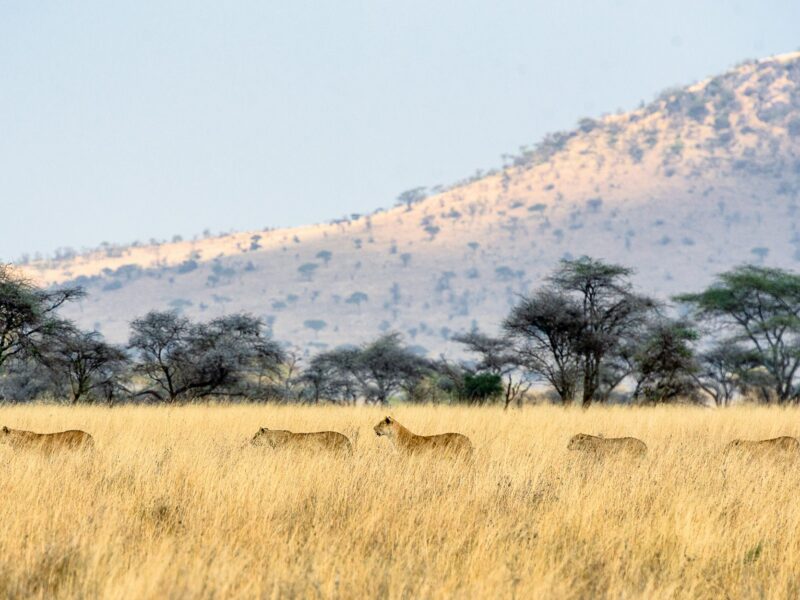
- Serengeti National Park: endless plains, lions, cheetahs and the migrating herds.
- Ngorongoro Crater: a volcanic caldera packed with wildlife; the Ngorongoro Conservation Area entry gives useful background.
- Tarangire: big elephant herds among ancient baobabs.
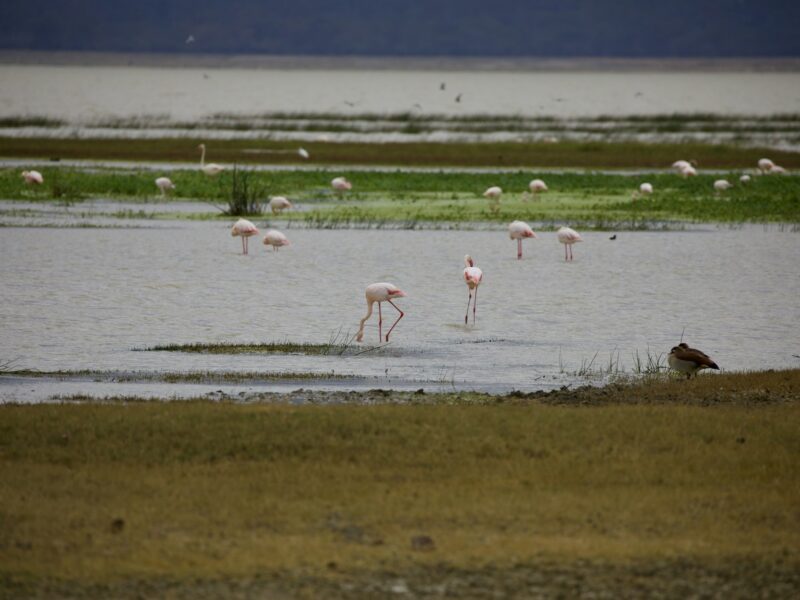
- Lake Manyara: groundwater forest, baboons and waterbirds.
The six-day family safari covers all four at a relaxed pace. The dry months of June to October bring easy game viewing, while January and February see the migration’s calving in the southern Serengeti and Ndutu.
Getting to Tanzania from India, Nepal and beyond
Travellers from India and Nepal usually connect through Doha, Dubai, Addis Ababa or Nairobi to reach Kilimanjaro International Airport (JRO), Julius Nyerere International Airport (DAR) or Zanzibar (ZNZ). Those flying from Mauritius, the Caribbean or Europe have similar choices through the same hubs, or through Amsterdam and Istanbul. Visa rules can change, so confirm them on the official eVisa portal, visa.immigration.go.tz, before you fly. For more on the language, see the Bhojpuri language article.
More Language Guides
Prefer to plan in another language? See all our safari and Kilimanjaro guides by language, or browse: