A Tanzania group joining safari puts you in a shared safari vehicle with a handful of other travellers, so you split the costs of the guide, the fuel and the vehicle while still seeing the great parks of the north. It is the most sociable way to explore the country, and it suits solo travellers, friends on a tight plan and anyone who enjoys swapping stories around a campfire. If you would rather have a vehicle to yourselves, our Tanzania private safari page explains that option in full.
This hub gathers every joining itinerary we plan, from a short three-day loop to a ten-day journey that reaches deep into the Serengeti. Each trip is built from Arusha, uses experienced local guides and runs on the same honest principle: we confirm that a group is going ahead before you pay in full.
Why Tanzania Works for Group Joining Safaris
Northern Tanzania packs an extraordinary range of habitats into a compact circuit. Within a few hours of Arusha you reach the baobab country of Tarangire, the forested lake shore of Lake Manyara and the volcanic bowl of the Ngorongoro Crater, and a long day further west brings you to the open plains of the Serengeti. Because the parks sit so close together, a shared itinerary can cover a lot of ground without feeling rushed.
Joining a group also makes sense here because the main safari routes are well travelled. Guides know the roads, campsites and simple lodges are spread across the circuit, and many visitors arrive in Arusha with the same goal of seeing as much wildlife as possible on a sensible budget. That makes it easier for us to match you with like-minded people.
Where to Go
Most joining departures follow the classic northern circuit. Tanzania National Parks manages Tarangire, Lake Manyara and the Serengeti, while the crater falls under the Ngorongoro Conservation Area Authority. Longer trips add quieter corners such as Lake Eyasi, Lake Natron or the Ndutu plains during the calving months.
- Tarangire: large elephant herds, baobab trees and a river that draws animals in the dry months.
- Lake Manyara: groundwater forest, baboon troops and birdlife along the alkaline shore.
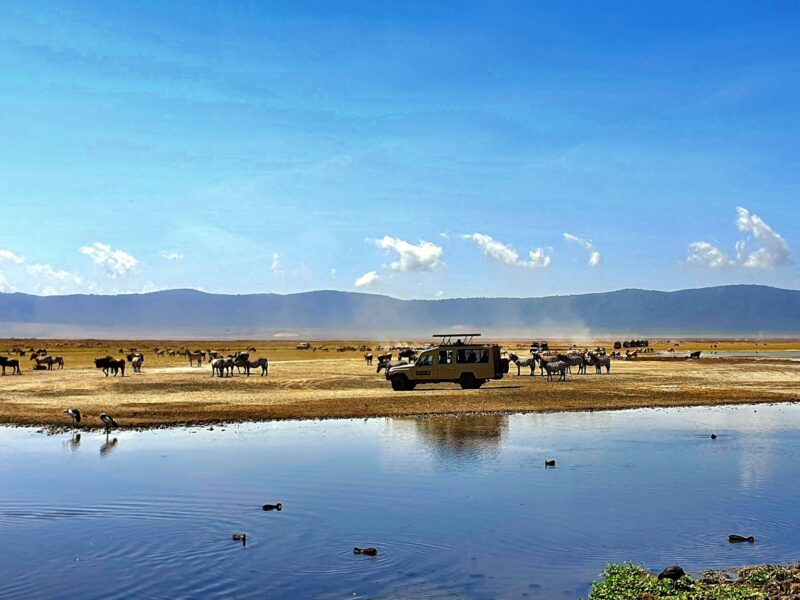
- Ngorongoro Crater: a dense concentration of grazers and predators on the crater floor.
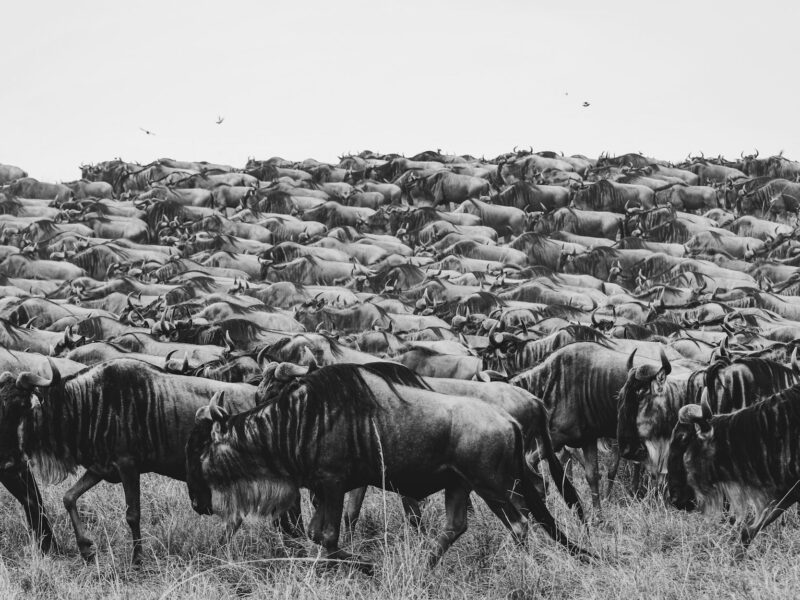
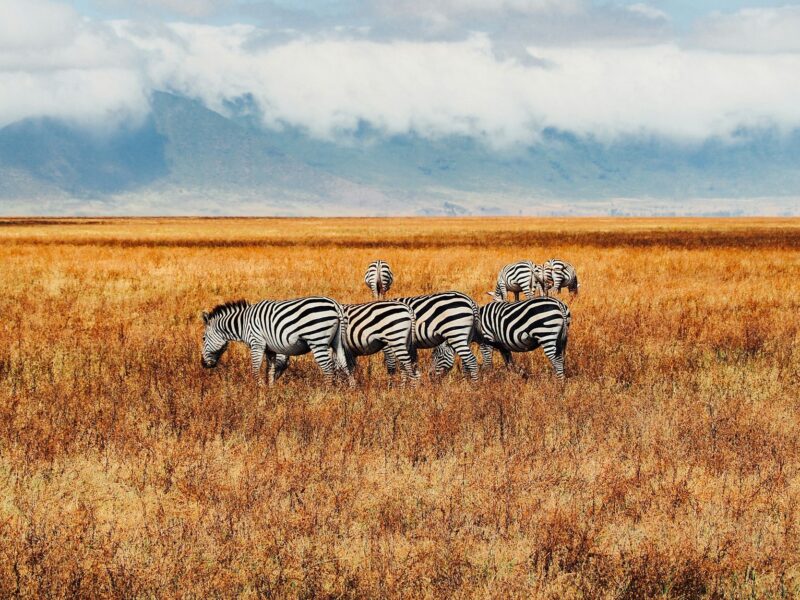
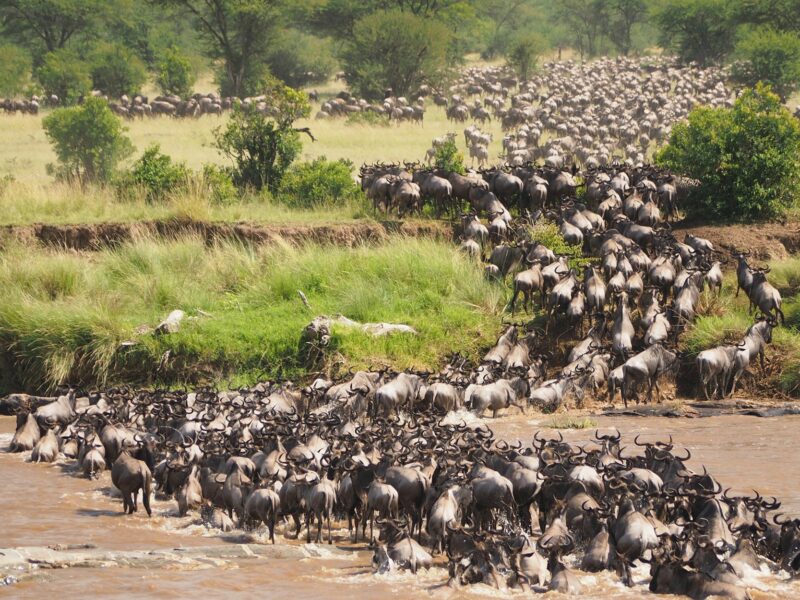
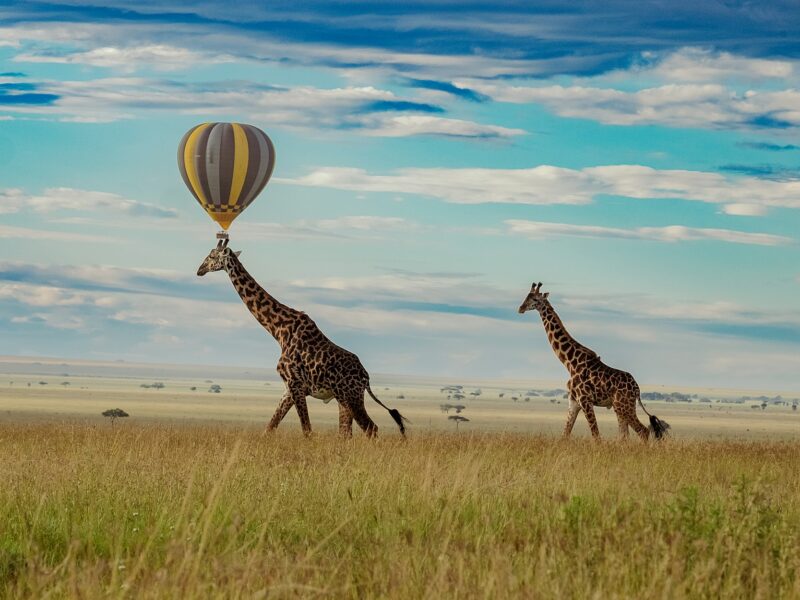
- Serengeti: vast plains, big cats and, depending on the month, the moving herds of the migration.
- Lake Eyasi, Lake Natron and Ndutu: add-ons for longer itineraries that bring culture, scenery or seasonal calving.
Compare Our Group Joining Itineraries
| Days | Route | Highlights |
|---|---|---|
| 3 Days Tanzania Group Joining Safari | Tarangire, Lake Manyara, Ngorongoro | Elephants, lake shore forest, crater floor |
| 4 Days Tanzania Group Joining Safari | Tarangire (2 days), Lake Manyara, Ngorongoro | Slower pace, village walk, crater |
| 5 Days Tanzania Group Joining Safari | Tarangire, Serengeti, Ngorongoro | First taste of the Serengeti plains |
| 6 Days Tanzania Group Joining Safari | Tarangire, Lake Manyara, Serengeti, Ngorongoro | Full northern circuit with two Serengeti nights |
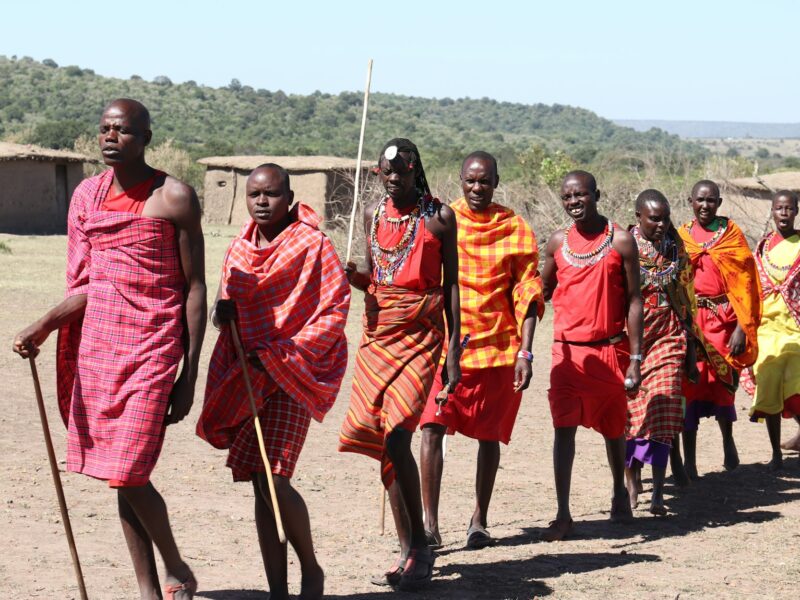
| 7 Days Tanzania Group Joining Safari | Tarangire, Lake Eyasi, Serengeti, Ngorongoro | Cultural morning at Eyasi, extra Serengeti day |
| 8 Days Tanzania Group Joining Safari | Lake Natron, Serengeti, Ngorongoro, Tarangire | Rift Valley scenery, waterfall walk, northern route |
| 9 Days Tanzania Group Joining Safari | Tarangire, Manyara, Ndutu, Serengeti, Ngorongoro | Calving season plains in January and February |
| 10 Days Tanzania Group Joining Safari | Tarangire, Eyasi, central and northern Serengeti, Ngorongoro, Manyara | The most complete shared journey |
When to Go
The dry season, roughly June to October, is the most popular time for shared departures. Grass is short, animals gather near water and the roads are at their best. January and February bring the calving season to the Ndutu area, which is a highlight for longer trips. The long rains fall around April and May; fewer groups travel then, and camps often close or offer lower rates, so departures are less frequent.
The position of the Great Migration changes month by month and is never certain, so we plan Serengeti days around where the herds are most likely to be rather than promising a particular river crossing or calving scene.
How a Group Joining Safari Works
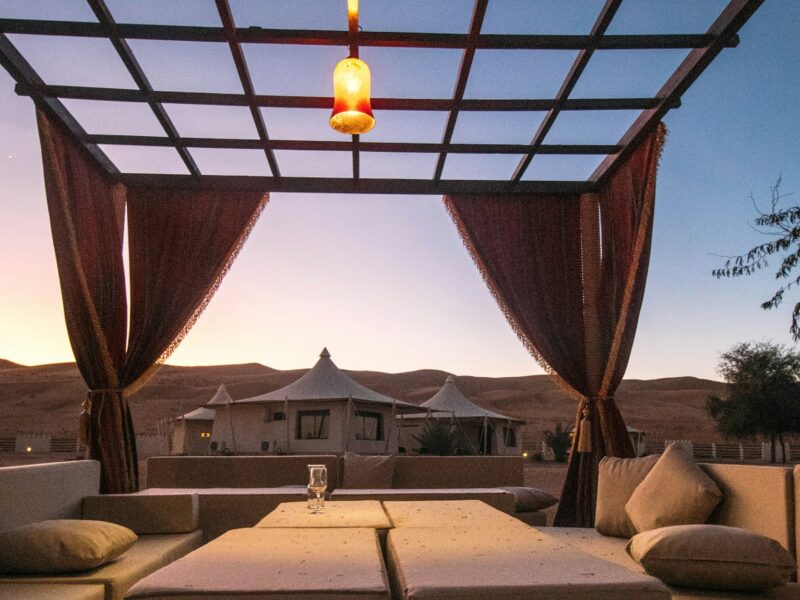
You book a seat rather than a whole vehicle. Groups usually hold up to about six or seven people, and every seat in a pop-roof safari vehicle has a window. You share the guide, the vehicle and the daily schedule with the others, and nights are usually spent at budget campsites or simple lodges.
Departure dates depend on how many people have signed up. Groups do not leave every day, and we never promise a departure until enough travellers are confirmed. Once the group is set, we let you know and only then ask for the balance.
The trade-off is flexibility. On a shared trip the group agrees on start times and stops, and you cannot linger at a sighting for as long as you might like. A private safari gives you that freedom, a vehicle to yourselves and a wider choice of accommodation. Many travellers start with a shared trip and upgrade later; read more on our small group joining safaris style page too.
What to Bring
Space in a shared vehicle is limited, so pack light in a soft duffel rather than a hard suitcase. Bring neutral clothing in layers, a warm jacket for early mornings and the crater rim, a sun hat, sunscreen and a refillable water bottle. Binoculars make a big difference, and a power bank helps on campsite nights. A head torch is useful when moving around camp after dark.
Check your passport validity and visa needs before you travel, and see a travel clinic well in advance for advice on malaria prevention and vaccinations.
Plan Your Shared Safari
Tell us your dates, how long you have and whether you are travelling solo or with friends, and we will match you with a suitable departure. Start on our plan my safari page and we will reply with options that fit.