An 8 days Tanzania photographic safari gives you space for one of the most unusual landscapes in East Africa: Lake Natron. Lesser flamingos breed on this soda lake, and the active volcano Ol Doinyo Lengai rises above its shores, creating raw, colourful scenes that look nothing like the savannah parks.
After two nights at Natron, a rough but scenic transfer brings you into the Serengeti for three nights, and the trip ends on the Ngorongoro Crater floor. It runs as a Tanzania private safari, with a vehicle and guide reserved for your group. Explore all trip lengths on our Tanzania photographic safari hub.
At a Glance
- Duration: 8 days, 7 nights
- Route: Arusha – Tarangire – Lake Natron – Serengeti – Ngorongoro – Arusha
- Best months: June to October, or December to February for green plains
- Ideal for: landscape lovers and photographers wanting something different
- Pace: adventurous, with two long road days
Day-by-Day Itinerary
Day 1: Arusha to Tarangire
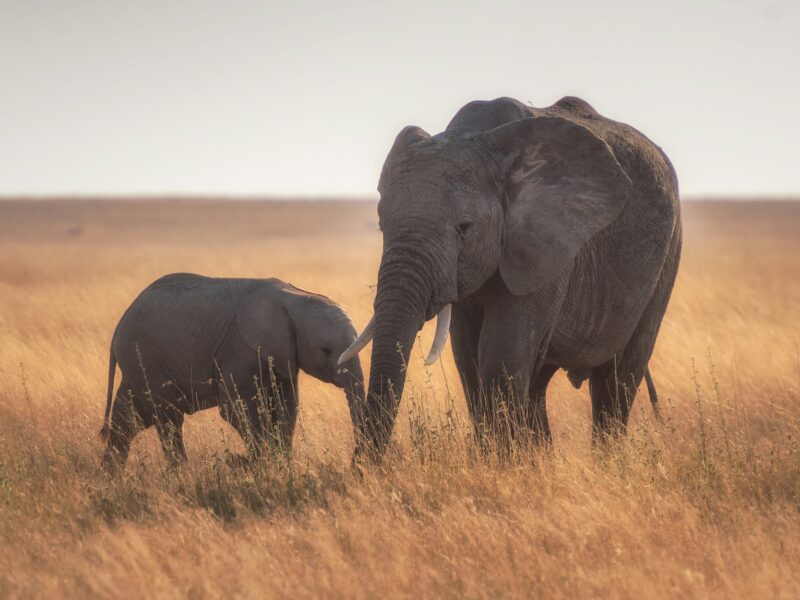
Drive two to three hours to Tarangire for an afternoon among elephants and baobabs. Look for the endemic yellow-collared lovebird and ashy starling, both often seen around the river woodland.
Overnight: a bush camp near Tarangire.
Day 2: Tarangire to Lake Natron
After a short morning drive, travel through Mto wa Mbu and north along the Rift Valley. The road is rough and dusty, but Maasai settlements, volcanic hills and the escarpment wall make the journey memorable. Arrive in time to photograph Ol Doinyo Lengai in the evening.
Overnight: a simple tented camp near Lake Natron.
Day 3: Lake Natron
Walk with a local guide to the shoreline at dawn, when flamingos are often present in large numbers and the water reflects pink and orange. Their breeding grounds are far out on the mudflats and are protected, so photographs come from feeding birds near the shore. The salt crusts and algae patterns make striking abstract images.
In the afternoon, walk the Ngare Sero gorge to a waterfall. Overnight: your Natron camp again.
Day 4: Lake Natron to the Serengeti
A long, rough transfer through the Loliondo area takes you into the Serengeti, road conditions permitting; in wet weather we route back via Karatu. Expect remote landscapes and Maasai herders on the way, with permission needed for any portraits.
Overnight: a tented camp in the northern or central Serengeti, depending on the season.
Day 5: Serengeti full day
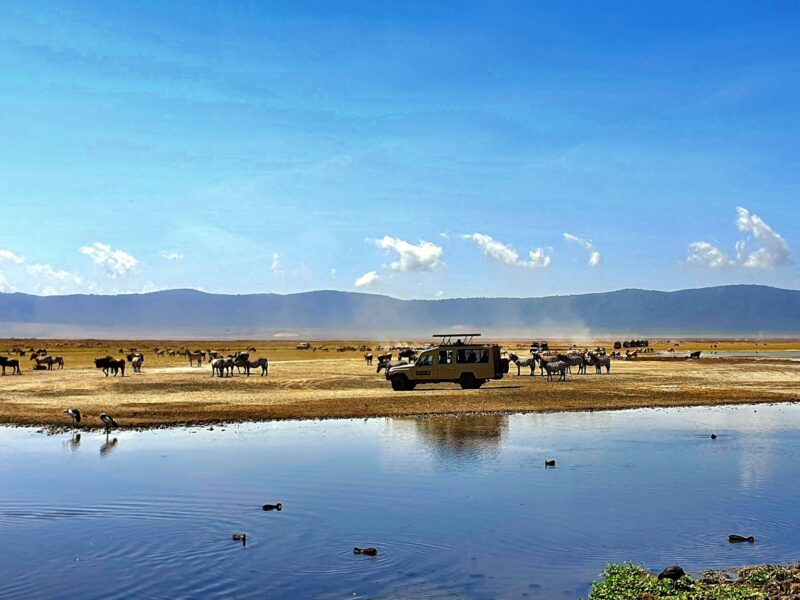
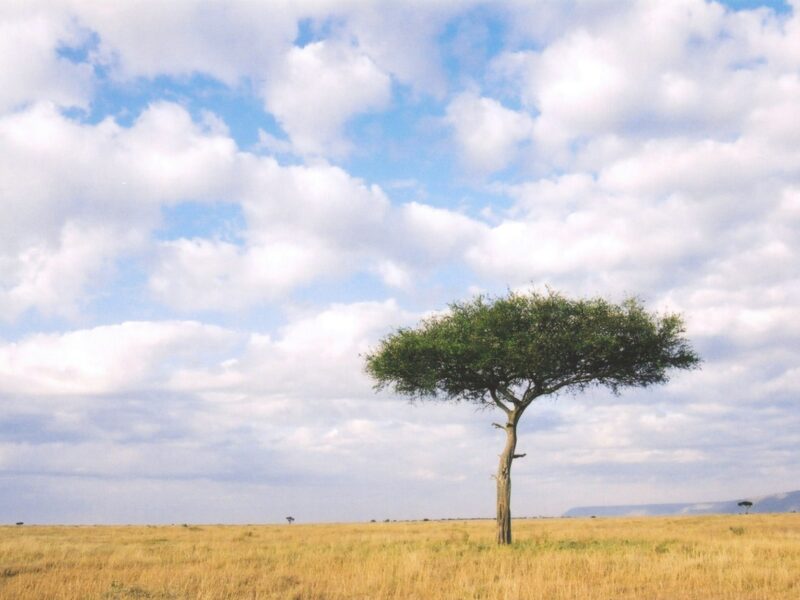
Spend the day exploring with your guide, adjusting the route for recent sightings. Lions on kopjes, cheetah in open grassland and elephants under acacias are all possible. Stay with any promising scene for as long as you like.
Overnight: the same Serengeti camp.
Day 6: Serengeti exploration
Head to another area such as the Seronera River or the Moru kopjes for fresh backdrops. The plains are ideal for wide shots with dramatic skies, while the rivers often offer leopard and hippo. Overnight: a central Serengeti camp.
Day 7: Serengeti to the Ngorongoro rim
Drive out of the park with a final morning game drive, then on to the highlands. Overnight: a lodge in the Karatu area or on the rim.
Day 8: Ngorongoro Crater and Arusha
Descend into the crater at the earliest allowed time, then return to Arusha. Time on the crater floor is limited by current rules.
Included and Not Included
Included
- A private roof-hatch vehicle with your own safari guide
- Fees for national parks and conservation areas in the quoted package
- Seven nights of accommodation
- Safari meals and drinking water throughout
- Local walking guide at Lake Natron
Not Included
- International flights and visas
- Tips and gratuities
- Drinks outside meals
- Personal travel insurance
Photography Set-Up and Tips
Request fewer passengers so every guest has a window and space at the hatch. Bean bags and roof supports are available on request, where available. At Natron, bring a wide lens for landscapes and a long lens for flamingos.
The golden hour is short in Tanzania, and inside the national parks, gate times set by Tanzania National Parks limit your hours. Drone use is generally not allowed without official permission, so leave drones at home. The Natron heat can be intense at midday, so shoot early and late and rest in between.
Fine alkaline dust at Natron can damage gear, so seal lenses in bags and clean them each evening. Charging in the vehicle is possible where available, but camps at Natron may have limited power.
Choosing Your Dates and Who It Suits
June to October gives dry roads for the Natron transfer and clear Serengeti game viewing. December to February adds green plains and a chance of calving in the south. This trip suits photographers who want landscapes as well as wildlife.
Plan Your Lake Natron Safari
Share your plans on our plan my safari form and we will check road conditions and season for you. Compare it with the 7 days photo safari or the 9 days photographic safari with Lake Eyasi. For more advice, visit our Tanzania photography safaris page.