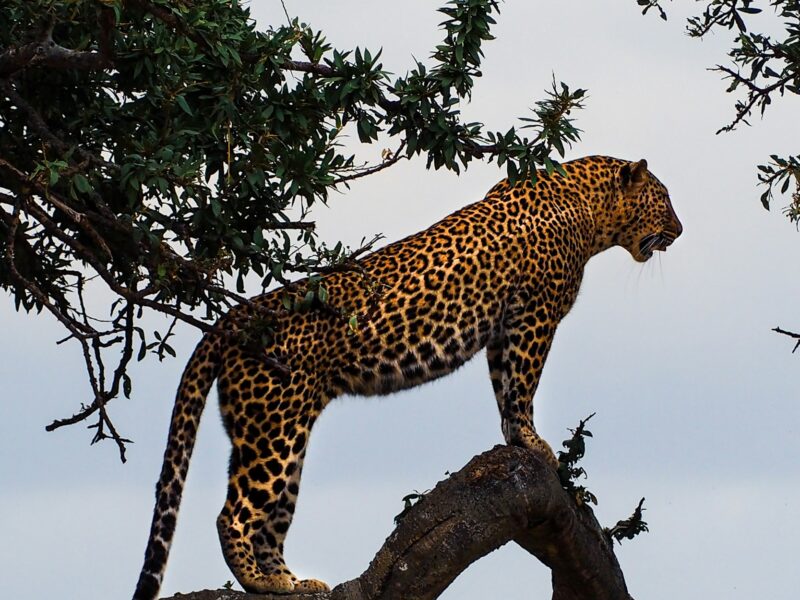
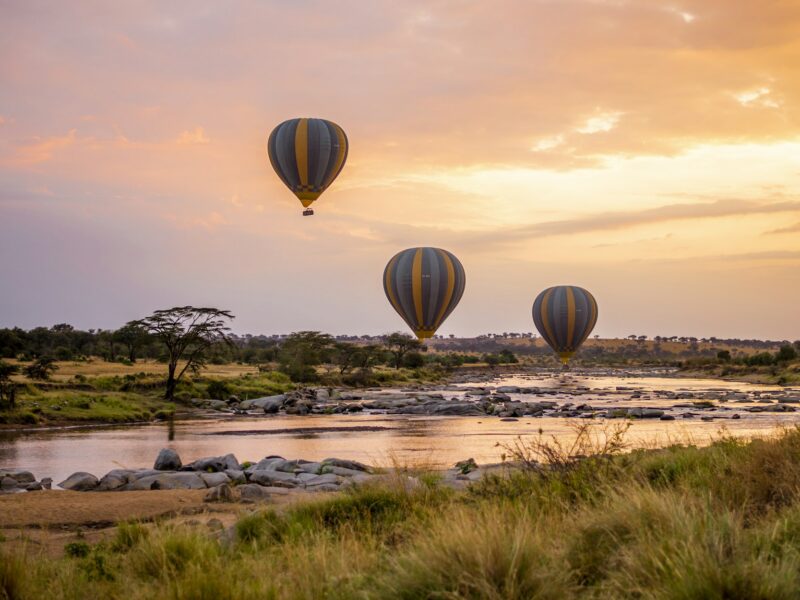
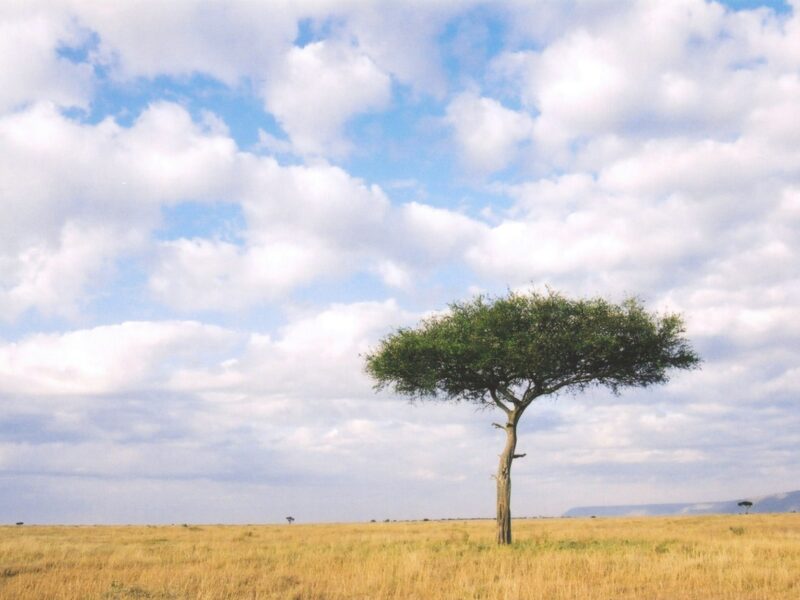
This 4 days Tanzania photographic safari opens with a subject many visitors skip: the forests, crater lakes and Mount Meru views of Arusha National Park. From there the route heads west to Tarangire’s elephant country, spends a full morning on the Ngorongoro Crater floor and finishes in the shade of Lake Manyara’s groundwater forest.
The extra day compared with our shortest trip buys variety rather than distance, which is ideal if you enjoy primates, birds and landscapes as much as big game. As a Tanzania private safari, the vehicle waits for you, not the other way round. Browse all the options on the photographic safari hub.
At a Glance
- Duration: 4 days, 3 nights
- Route: Arusha NP – Tarangire – Ngorongoro Crater – Lake Manyara – Arusha
- Best months: June to October, or December to February for greener scenes
- Ideal for: photographers who like primates, birds and mountain backdrops
- Pace: moderate, with one early crater morning
Day-by-Day Itinerary
Day 1: Arrival and Arusha National Park
After a morning landing at Kilimanjaro International Airport (JRO), you head straight for Arusha National Park, roughly an hour’s drive away. In the montane forest, black-and-white colobus monkeys leap between the branches, and their long white mantles show best against dark foliage, so underexpose slightly to hold the detail. Out in the open glades, giraffe often browse with Mount Meru rising behind them on clear afternoons.
Finish at the Momella Lakes, where waterbirds and, at times, flamingos feed in the shallows and reflections can be striking in calm conditions. Overnight: a garden lodge on the outskirts of Arusha.
Day 2: Tarangire National Park
Leave after an early breakfast for the two-to-three-hour drive to Tarangire and spend the whole day inside the park with a packed lunch. In the dry months, elephants dig for water in the riverbed, and the dust they throw over their backs makes a strong backlit subject. Watch the baobabs too: their bark and silhouettes give you landscape frames that need no animal at all.
Yellow-collared lovebirds and ashy starlings are often seen here, small but rewarding subjects for a long lens. Overnight: a tented camp in the Karatu highlands, about two hours west.
Day 3: Ngorongoro Crater
An early drive takes you to the rim, where mist often hangs over the caldera at dawn. Descend to the floor once permitted and work the grasslands and soda lake for lion, spotted hyena, golden jackal, zebra and kori bustard. Time on the floor is restricted by the conservation authority, so check current rules; your guide will balance the busiest areas against quieter corners.
Return up the wall in the afternoon and rest before dinner, or wander the lodge gardens for highland birds. Overnight: the same Karatu camp, giving you a relaxed second night.
Day 4: Lake Manyara and return to Arusha
A short drive brings you to Lake Manyara for a morning in the groundwater forest and along the lake shore. Hippo pools, buffalo herds and pelicans give you a fresh set of subjects, and a tree-climbing lion is possible but unusual.
Drive back to Arusha after lunch, reaching the city or JRO in the late afternoon. No overnight is included.
Included and Not Included
Included
- Exclusive pop-up roof safari vehicle and professional guide
- Park entry and crater fees that appear in your quotation
- Three nights in mid-range lodges or camps
- Full board during the safari, plus drinking water
- Return airport transfers from JRO
Not Included
- Flights to Tanzania and visa costs
- Gratuities
- Drinks outside meals
- Personal insurance cover
Photography Set-Up and Tips
Mixed habitats call for a flexible kit. A 100–400mm handles colobus and crater wildlife, while a wide lens is useful for baobabs and the Meru skyline. Ask us to keep passenger numbers low so each person has a window, and request bean bags or roof supports on request, where available.
Light in the forest of Arusha National Park and Lake Manyara is dim, so raise ISO and use image stabilisation rather than fighting for a low setting. In open country, the golden hour after sunrise and before sunset is brief, and the gate times published by Tanzania National Parks decide how much of it you can use inside a park. Inside the parks, night drives are generally not permitted.
Dust is constant in Tarangire and the crater. Keep a cloth over the camera, carry a blower and avoid lens changes while the roof is open. Many vehicles have a charging socket where available, but bring a car adaptor and spare batteries for long days. Our safari packing list covers clothing and extras.
Seasons and Suitability
From June to October, the bush is thin and wildlife gathers at water, giving the clearest views. December to February adds fresh greenery and clearer air between showers, while April and May are the wettest months. This trip suits photographers who want variety in a short time, including couples and small groups of friends sharing one vehicle.
Plan Your Four-Day Shoot
Share your dates and shooting priorities on our plan my safari page and we will shape the route and vehicle around them. For a shorter option, see the 3 days photo safari; to add the Serengeti, try the 5 days photographic safari. For general technique, visit our photography safaris page.