The 9 days Tanzania photographic safari blends wildlife with people and place. Alongside Tarangire, the Serengeti and Ngorongoro Crater, it includes two nights at Lake Eyasi, where cultural visits with Hadzabe and Datoga communities can be arranged with consent and respect, offering portrait and documentary opportunities few safaris include.
Three nights in the Serengeti leave time to work different sectors and return to promising sightings. As a Tanzania private safari, everything follows your interests and pace. All durations are compared on the photographic safari overview.
At a Glance
- Duration: 9 days, 8 nights
- Route: Arusha – Tarangire – Lake Eyasi – Serengeti – Ngorongoro – Arusha
- Best months: June to October; December to February
- Ideal for: photographers interested in culture, landscapes and wildlife
- Pace: relaxed, with two nights in most places
Day-by-Day Itinerary
Day 1: Arrival in Arusha
Arrive at Kilimanjaro International Airport and transfer to a garden lodge near Arusha. Unpack, check your kit and enjoy the evening light on Mount Meru if the sky is clear.
Overnight: a lodge on the outskirts of Arusha.
Day 2: Tarangire National Park
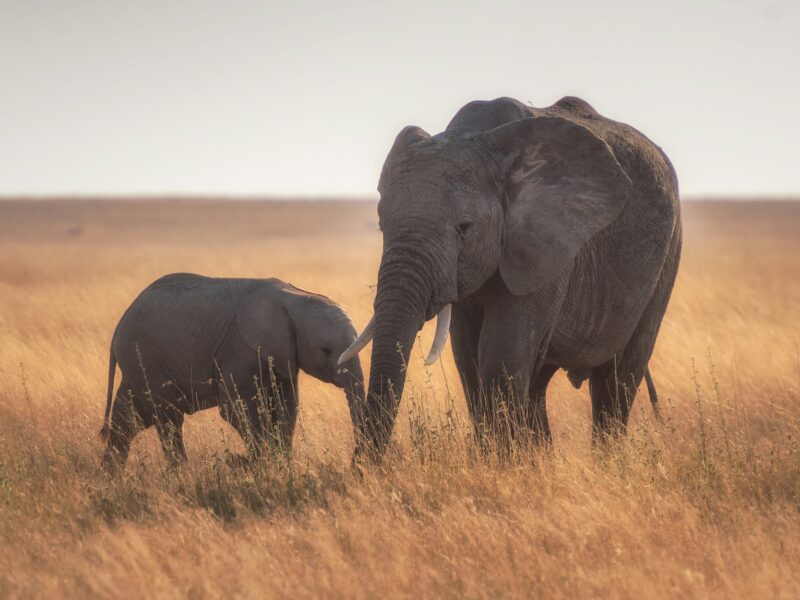
Drive two to three hours to Tarangire for a full day. Elephants, giraffe and impala gather near the river in the dry season, and lions sometimes rest in the shade of trees. Late in the day, baobab silhouettes against an orange sky make good landscape images.
Overnight: a tented lodge near Tarangire.
Day 3: Tarangire to Lake Eyasi
Travel through Karatu and down to Lake Eyasi, a shallow soda lake below the Eyasi escarpment. The afternoon light on the palms and lake shore is soft, and flamingos and pelicans are sometimes present when there is water.
Overnight: a camp near the lake shore.
Day 4: Lake Eyasi cultural day
Join Hadzabe hunter-gatherers at dawn, if they agree, as they move through the bush, then visit a Datoga family to see their metalwork. Photography is only with clear consent, and your local guide will explain how to behave respectfully. Read more on our cultural tours page.
Overnight: your Eyasi camp.
Day 5: Lake Eyasi to the Serengeti
A long day takes you back through Karatu, over the Ngorongoro highlands and down to the Serengeti plains, with game viewing along the way. Overnight: a central Serengeti tented camp.
Day 6: Central Serengeti
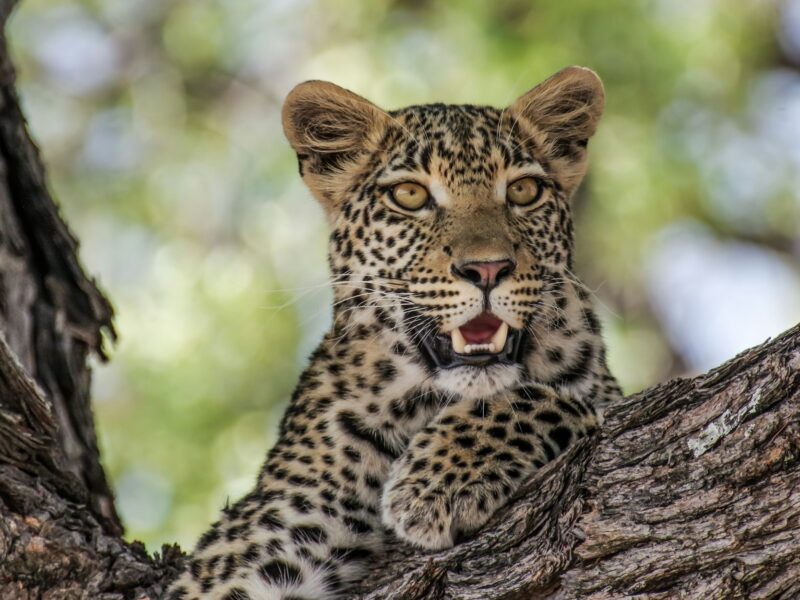
Explore the Seronera area, known for lion and leopard, with cheetah possible on the open plains. Long waits often reward photographers with behaviour shots. Overnight: the same camp.
Day 7: Another Serengeti sector
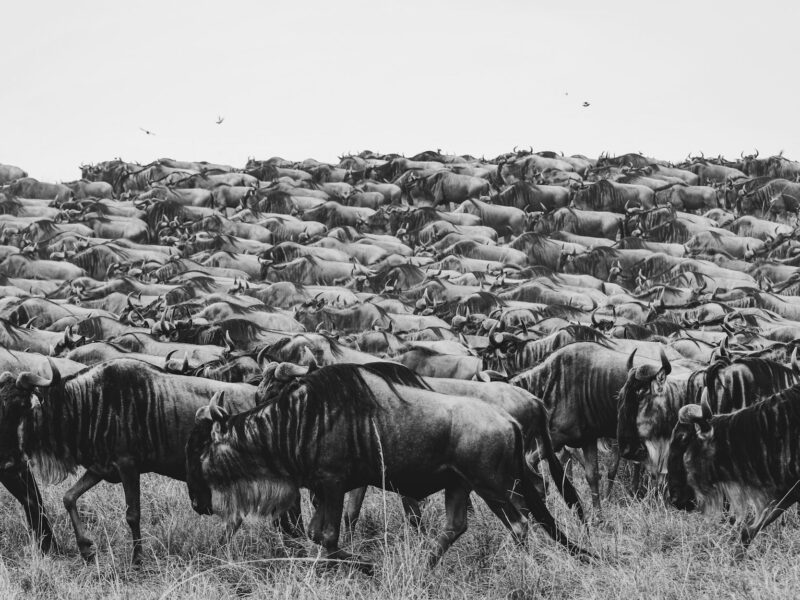
Your guide will choose an area depending on the season and herds, such as the southern kopjes or the western woodlands. Wide-angle plains scenes with storm clouds are often possible in the green season. Overnight: a Serengeti camp.
Day 8: Serengeti to the crater rim
After a final morning drive, head to the Ngorongoro highlands. Overnight: a lodge near the crater rim.
Day 9: Ngorongoro Crater and Arusha
Descend to the crater floor at the earliest permitted time to look for lion, rhino at distance, buffalo and crowned cranes. Time on the floor is limited by rules. Return to Arusha in the afternoon.
Included and Not Included
Included
- Private safari vehicle with pop-up roof and guide
- Park and conservation fees in quoted packages
- Eight nights of lodging
- Meals on safari and water in the vehicle
- Cultural visits at Lake Eyasi
Not Included
- Flights and visas
- Tips
- Drinks
- Personal insurance
Photography Set-Up and Tips
Mixing portraits with wildlife means carrying two kinds of kit. A 24–70mm or a short prime in the region of 35mm to 85mm suits people and village scenes, while a 100–400mm or longer handles the parks. Ask us to cap the number of passengers so each traveller keeps a window to themselves, and request bean bags or window and roof supports, which we arrange where available.
Cultural photography follows different rules from wildlife. Ask before every picture, show people the image on the screen if they are curious, and put the camera away whenever your guide suggests it. Open shade beneath trees gives flattering light for faces, and a slightly lower angle feels more respectful than shooting down from the vehicle.
In the parks, the golden hour slips by quickly, and gate times set by Tanzania National Parks decide how early you can be on a game drive and when you must be back. Night drives are generally not allowed inside the parks. Off-road driving is prohibited, so good positioning comes from reading animal behaviour early.
Eyasi’s dry lake bed and the Serengeti plains both produce fine powder. Keep lenses in sealed pouches, clean the front element with a blower before using a cloth, and back up your cards every evening. Many vehicles have a charging point, though not all, and lodges near the lake may run generators for limited hours.
Planning Your Dates and Who It Suits
June to October brings dry tracks and dependable wildlife viewing in Tarangire and the Serengeti. From December to February the plains turn green, herds are often in the south and Lake Eyasi may hold more water. Heavier rain in April and May can make the Eyasi roads slow. This route suits curious travellers who value storytelling images, couples with a shared interest in culture and photographers who dislike rushing.
Plan Your Nine-Day Safari
Let us know your dates, interests and the people travelling with you through the plan my safari form, and we will tailor the cultural visits and Serengeti sectors around you. For a landscape-led alternative, look at the 8 days photo safari with Lake Natron, or add the northern Serengeti with the 10 days photographic safari. Wider tips live on our photography safaris page.