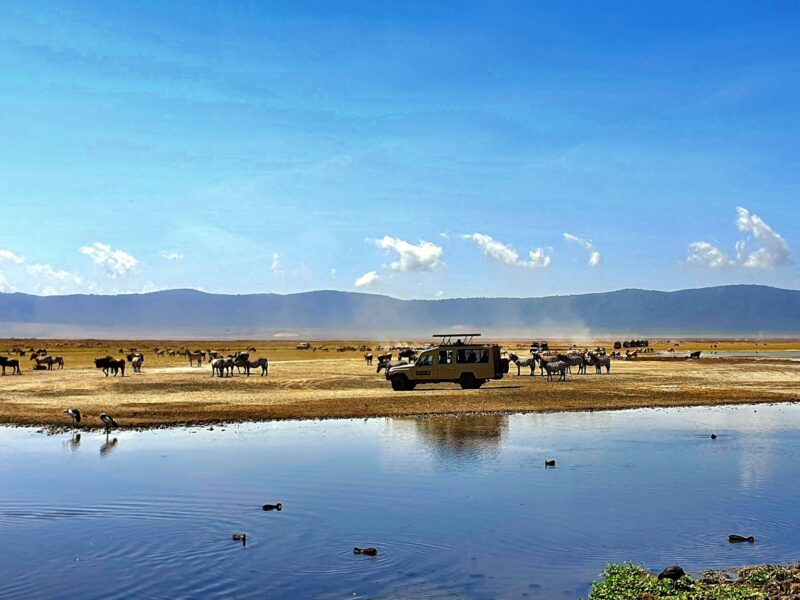
This 10 days Tanzania photographic safari is our most complete route, with five nights split between the central and northern Serengeti. From July to October the northern Serengeti is often where the herds gather near the Mara River, and crossings can happen at any time of day, though they are never assured and may require long, patient waits.
Before the plains, Tarangire and Lake Manyara give you elephants, baobabs and forest primates, and the trip closes with a morning in Ngorongoro Crater. Because it runs as a Tanzania private safari, your vehicle can stay put at the river for hours if that is what you want. All trip lengths are compared on our photographic safari collection.
At a Glance
- Duration: 10 days, 9 nights
- Route: Arusha – Tarangire – Lake Manyara – Central and Northern Serengeti – Ngorongoro – Arusha
- Best months: July to October for the northern Serengeti; can be adapted for other seasons
- Ideal for: dedicated photographers and anyone hoping to witness the Mara River herds
- Pace: unhurried, with multiple nights in the key areas
Day-by-Day Itinerary
Day 1: Arrival in Arusha
Land at Kilimanjaro International Airport (JRO) and transfer to a quiet lodge near Arusha. Your guide will look over your kit with you, check the vehicle set-up and agree priorities for the trip.
Overnight: a garden hotel close to Arusha town.
Day 2: Tarangire National Park
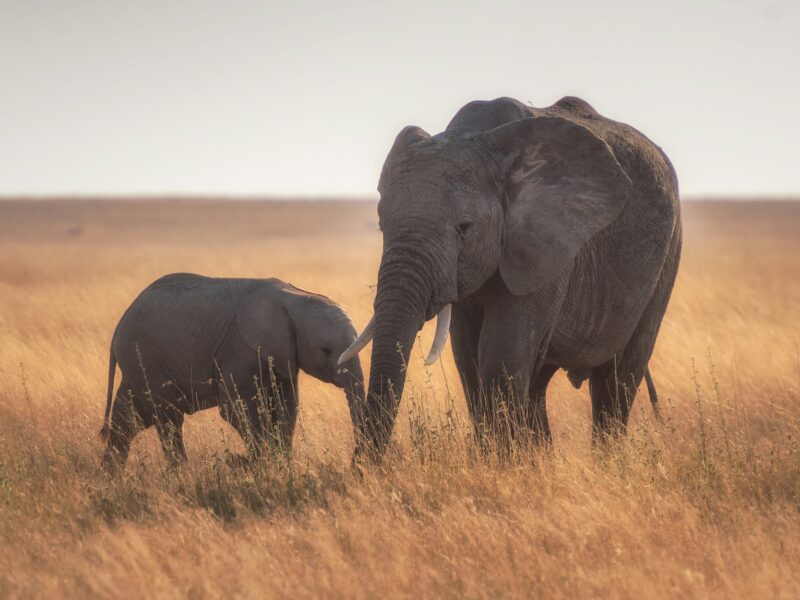
Drive two to three hours to Tarangire for a full day with a packed lunch. In the dry season this is one of the best parks in Tanzania for elephants, and big family groups often walk the riverbed. Late afternoon light on red earth and grey baobab bark rewards careful exposure.
Overnight: a tented camp near the Tarangire boundary.
Day 3: Lake Manyara and Karatu
Enter Lake Manyara in the morning to work its shaded forest, where baboons and blue monkeys test your low-light technique. On the open shore look for pelicans, storks and, depending on water levels, flamingos. Drive up the escarpment in the afternoon.
Overnight: a coffee-farm lodge near Karatu.
Day 4: Karatu to the central Serengeti
Cross the Ngorongoro highlands and descend to the short-grass plains, entering the Serengeti with game viewing along the way. Overnight: a tented camp in the Seronera area.
Day 5: Central Serengeti
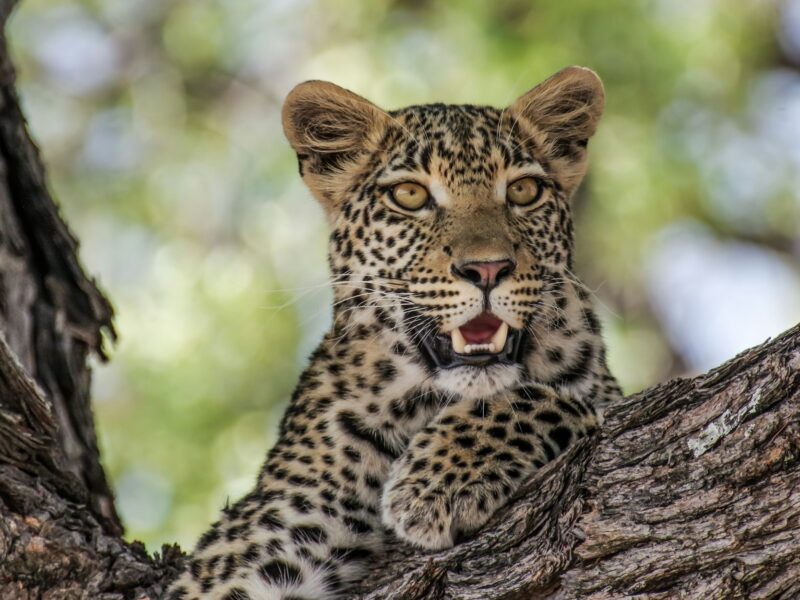
Spend a full day in the Seronera valley and surrounding kopjes, an area well known for big cats. Lions, leopards and cheetahs are all possible, and the river’s fever trees make elegant frames.
Overnight: your Seronera camp again.
Day 6: Central to northern Serengeti
Drive north through the Lobo area, where rocky hills and wooded valleys change the look of your images. The journey is a long game drive in itself. Overnight: a seasonal camp in the northern Serengeti.
Day 7: The Mara River
Head to the river and choose a viewpoint with your guide based on where the herds are massing. If a crossing begins, you will have a good position from the track; if not, crocodiles, hippos and the herds themselves offer plenty to shoot.
Overnight: the same northern camp.
Day 8: Northern Serengeti to Seronera
Take a last early drive near the river, scanning the banks around Kogatende for herds gathering again, then begin the long game drive south. Breaking the journey in the central Serengeti keeps the day realistic and adds another evening with the kopjes. Overnight: a central Serengeti camp.
Day 9: Seronera to the crater highlands
Enjoy a dawn drive on the central plains before heading south-east across the short-grass country and up to the Ngorongoro highlands. Overnight: a lodge on the crater rim.
Day 10: Ngorongoro Crater and departure
Descend at the earliest allowed time for lion, buffalo and wetland birds on the caldera floor, keeping within the current limits on time spent there. Return to Arusha or JRO after lunch.
Included and Not Included
Included
- Your own pop-up roof 4×4 and dedicated guide
- Park and crater fees as stated in the quoted package
- Nine nights in hotels, lodges and seasonal camps
- All meals on safari and refillable water
- Airport transfers at the start and end
Not Included
- International flights and visa applications
- Tips for the safari team
- Drinks at camps and lodges
- Personal insurance
Photography Set-Up and Tips
For river crossings, a 100–400mm plus a second body with a wider lens lets you switch between drama and context instantly. Ask us to limit passengers so each person has a window, and request bean bags or roof supports, available where possible.
Gate times set by Tanzania National Parks control early and late drives inside the park, and night drives are generally not allowed. The golden hour in the north is short but powerful, so be ready before the sun lifts. Off-road driving is prohibited, and rangers monitor crossing points closely.
Dust from the herds is heavy around the river. Keep spare cards and batteries in a sealed bag and charge in the vehicle where available. See more on our Serengeti National Park guide.
Best Season and Who Will Love It
July to October is ideal for the northern Serengeti, as explained in our great migration month by month guide. Outside these months, we can swap the north for Ndutu or extra central days. This trip suits serious photographers and travellers wanting a slower pace.
Plan Your Ten-Day Safari
Send us your dates through plan my safari. Compare it with the 9 days photo safari or our private photography migration safari package, and see our photography safaris page.