Our 7 days Tanzania photographic safari is designed for the green season, when the wildebeest herds gather on the short-grass plains around Ndutu and the southern Serengeti to give birth. Calving usually peaks around January and February, and the concentration of newborn calves draws lion, cheetah and hyena, which creates some of the most dramatic photographic opportunities in Africa.
Tarangire and the Karatu highlands ease you in, two nights at Ndutu put you close to the action, and the central Serengeti and Ngorongoro Crater round off the week. Planned as a Tanzania private safari, it gives you a vehicle and guide dedicated to your shooting style. See every duration on our photographic safari page.
At a Glance
- Duration: 7 days, 6 nights
- Route: Arusha – Tarangire – Karatu – Ndutu – Central Serengeti – Ngorongoro – Arusha
- Best months: December to March, with the calving peak around January to February
- Ideal for: action and behaviour photographers chasing predators and young animals
- Pace: active, with early starts on the plains
Day-by-Day Itinerary
Day 1: Arusha to Tarangire
Drive two to three hours from Arusha or JRO to Tarangire. In the green season the park is lush and quieter, with elephants scattered through the woodland and birds in fresh breeding plumage. Use the afternoon to warm up your settings on rollers, hornbills and dik-dik.
Overnight: a mid-range camp on Tarangire’s eastern side.
Day 2: Tarangire morning and the Karatu highlands
Take a final morning drive in Tarangire, then travel to Karatu in time for a relaxed afternoon. This is a good moment to clean sensors, back up files and charge everything before the plains. Rolling farmland and the forested slopes of the highlands offer gentle landscape scenes in the evening.
Overnight: a highland lodge near Karatu.
Day 3: Karatu to Ndutu
Climb past the crater rim and descend into the Ngorongoro Conservation Area towards the Ndutu area. If the herds are present, the scene changes quickly: thousands of wildebeest and zebra spread across the grass, with predators never far away. Follow the guidance of your driver and the current conservation area rules on where vehicles may go.
Overnight: a seasonal tented camp in the Ndutu area.
Day 4: Full day at Ndutu
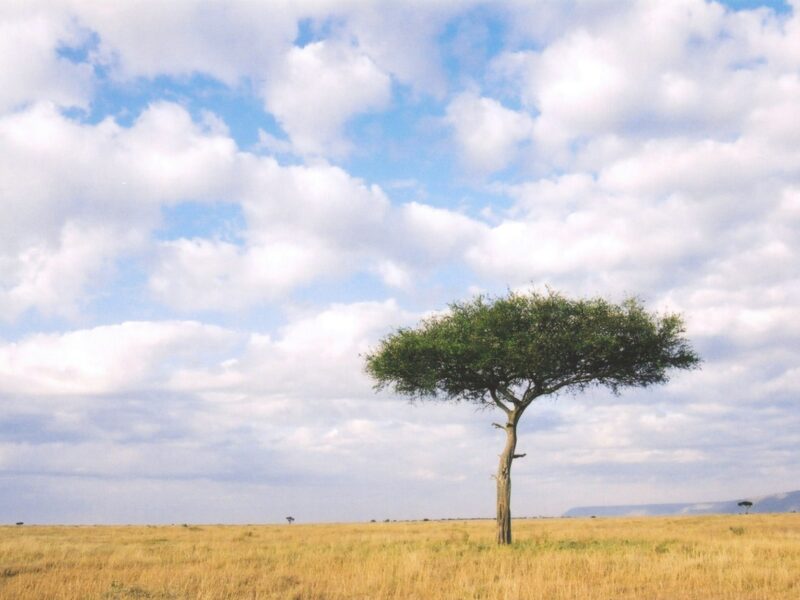
Spend the whole day with the herds. Newborn calves standing for the first time, cheetah mothers hunting and lions resting near Lake Ndutu or Lake Masek are all possible. Use fast shutter speeds and continuous autofocus for chases, and wide lenses for herds stretching to the horizon under storm clouds.
Overnight: your Ndutu camp for a second night.
Day 5: Ndutu to the central Serengeti
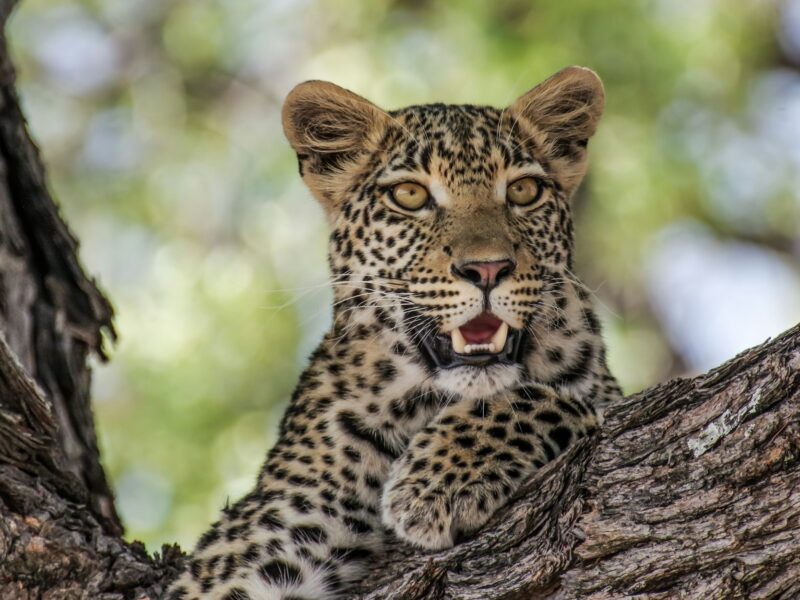
Leave the south and drive north into the central Serengeti, with game viewing along the way. Seronera’s river valley and kopjes add leopard and lion possibilities and a new set of backdrops after the open plains.
Overnight: a tented camp near Seronera.
Day 6: Serengeti to the Ngorongoro rim
Take an early drive at Seronera, then head south-east to the crater highlands. Clear evenings at the rim give long views over the caldera. Overnight: a crater rim or Karatu lodge.
Day 7: Ngorongoro Crater and Arusha
Descend to the crater floor at the permitted time to look for buffalo, lion, flamingos when present and grey crowned cranes. Current regulations cap your hours on the floor. After lunch, return to Arusha or JRO.
Included and Not Included
Included
- Private 4×4 photographic vehicle with pop-up top and guide
- Park and conservation area fees in the quoted package
- Six nights in camps and lodges
- Meals during the safari and drinking water
- Pick-up and return in Arusha
Not Included
- International flights and visa charges
- Tips for guides, cooks and camp teams
- Drinks
- Travel and health insurance
Photography Set-Up and Tips
Ask for fewer passengers so everyone has a window and access to the roof hatch. Bean bags, plus roof supports, can be requested where available. A 150–600mm or 200–600mm lens is valuable for distant chases, and a wide-angle lens captures herds and big skies.
The golden hour is brief, and park gate times published by Tanzania National Parks shape how early and late you can drive inside the Serengeti. Night drives are generally not allowed inside national parks. Rain showers can arrive quickly in the green season, so keep a rain cover on hand and a towel inside the vehicle.
Mud and dust both feature at this time of year. Wipe your kit daily and keep lenses sealed in bags while driving. Charging in the vehicle is possible where available, and seasonal camps often charge at set hours.
Timing This Trip and Who It Suits
This route works best from December to March, with calving most likely around January and February. Our migration month-by-month guide explains where the herds usually are. Outside this window we replace Ndutu with extra central Serengeti nights. It suits experienced amateurs and anyone who loves animal behaviour.
Plan Your Calving Season Safari
Send us your preferred dates through the plan my safari form. Compare it with the 6 days photo route or extend to the 8 days photographic safari with Lake Natron. Our photography safaris section has more ideas.