Many Pashto speakers grew up within sight of the Hindu Kush or the ranges of Khyber Pakhtunkhwa, so the idea of climbing a great peak feels natural. Kilimanjaro is a different kind of challenge: a long walk to extreme altitude rather than a technical ascent. For anyone seeking Kilimanjaro climbing with Pashto speaking guide support, here is an honest picture of what we can arrange.
Pashto (پښتو) is rarely heard among Tanzanian mountain crews; if you would like to read more about the language itself, Wikipedia has a detailed Pashto article.
Why briefings in Pashto can protect your health
Every day on the mountain, your guides check how your body is coping. They measure blood oxygen and pulse with a pulse oximeter and ask about headache, nausea, dizziness and sleep. Altitude sickness can affect anyone, regardless of fitness, and the guides’ decisions depend on what you tell them.
With an interpreter or Pashto-speaking guide beside you, you can explain exactly how you feel and understand why the guide might ask you to slow down, drink more or turn back. Briefings about summit night, the cold and emergency procedures are just as important to follow in full.
Kilimanjaro climbing with Pashto speaking guide options and crew roles
Climbs must be led by licensed guides working with a registered operator. A typical team includes a lead guide, assistant guides, a cook and porters, and they normally communicate in Swahili and English.
Native Pashto speakers among licensed mountain guides are rare. Depending on your dates, the realistic options are:
- a lead or assistant guide who speaks Pashto as a second language, if one is available;
- a professional Pashto interpreter who climbs with the team;
- written Pashto notes on altitude symptoms and safety procedures, where possible.
If anyone in your group speaks Urdu, Dari or English comfortably, that can widen the choice. We confirm before you book and never promise one particular solution.
Which route suits you?
The Machame route is a scenic camping trail, busy but rewarding. Lemosho begins further west and suits climbers who want extra days for acclimatisation. Marangu is the hut route, which helps if you prefer a roof and a bed at night.
Rongai climbs from the north, while the Northern Circuit circles the mountain on the longest itinerary of all. Umbwe is the steepest and is not recommended for beginners. Our Kilimanjaro climbing page sets out the full comparison.
Preparing well and choosing the right month
Aim for January to March or June to October, the usual best windows. Start training several months ahead with long hill walks carrying a daypack, and see a doctor before travel.
On the mountain, guides can usually plan short rest stops to allow time for prayer, and cooks can generally prepare halal food when asked in advance. If your dates fall during Ramadan, talk to us and to your doctor about whether fasting is compatible with the climb, because staying well hydrated at altitude is essential.
Adding a safari or Zanzibar
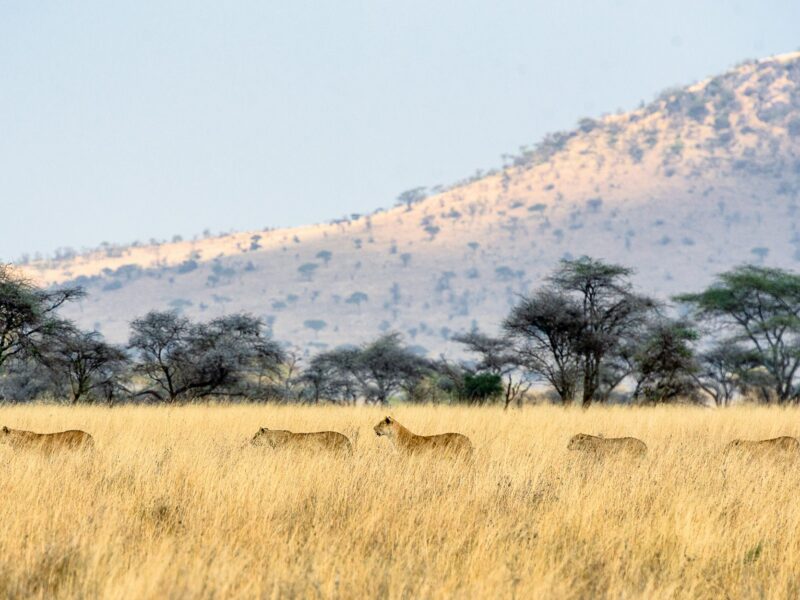
After the descent, a few days of game drives in the Serengeti or Ngorongoro Crater make a relaxing contrast. Zanzibar, where Islam is the majority faith, is a comfortable place for many Muslim travellers to rest before flying home. See our Kilimanjaro and safari ideas.
Most climbers fly into Kilimanjaro International Airport (JRO), often connecting via Dubai, Doha or Istanbul. Check entry requirements on the official Tanzania eVisa portal before booking.
Pashto-speaking support is limited, so contact us early; the sooner you ask, the better the chance of a guide for your climb. Send your dates via our planning form.
FAQs
More Language Guides
Prefer to plan in another language? See all our safari and Kilimanjaro guides by language, or browse: