Pashto speakers planning a family trip to East Africa often ask us the same first question: will anyone in the vehicle understand us? The honest answer is that native Pashto-speaking safari guides are rare in Tanzania. A Tanzania safari with Pashto speaking guide support can still be arranged in other ways, and we confirm exactly what is available for your dates before you book.
Pashto (پښتو) is one of the two official languages of Afghanistan and is widely spoken in Khyber Pakhtunkhwa and Balochistan in Pakistan, as well as among large communities in the Gulf, the United Kingdom, Germany and North America. The Wikipedia article on Pashto covers its dialects and history.
Language options we can explore
- A guide who speaks Pashto as a second language, if one can be found for your dates.
- An English-speaking guide-driver working with a professional Pashto interpreter who joins the trip.
- Written Pashto material, such as a simple itinerary or wildlife notes, where a reliable translation is possible.
Many Pashto speakers are also at home in Dari, Urdu or English. If someone in your group speaks one of these, mention it, because it can open up more possibilities. We discuss what is realistic and do not lock in any single option until it is confirmed.
Why understanding the guide matters for families
On a typical game drive, the guide shares a constant stream of detail: which tracks belong to a hyena, why elephants flap their ears, how wildebeest and zebra benefit from grazing side by side. Children love these stories, and grandparents enjoy them more when nobody has to translate in a whisper. Questions flow naturally when the answer comes back in Pashto, and safety instructions, like staying seated when lions are close, are understood immediately.
The same applies to cultural visits. Meeting Maasai herders, whose lives revolve around cattle and community, is far richer when you can ask your own questions.
What daily life on safari looks like
You travel in a private 4×4 with a pop-up roof, so your family has the vehicle to itself. This makes it easy to stop for prayers at suitable places within park rules and to set your own pace through the day. Halal meals can usually be arranged at lodges on request, so tell us about any dietary needs at the start.
- Share your dates and group details on the planning page.
- We check guides, interpreters and lodges, then send a proposal.
- You confirm, and we finalise every arrangement.
Where to go: suggested parks and routes
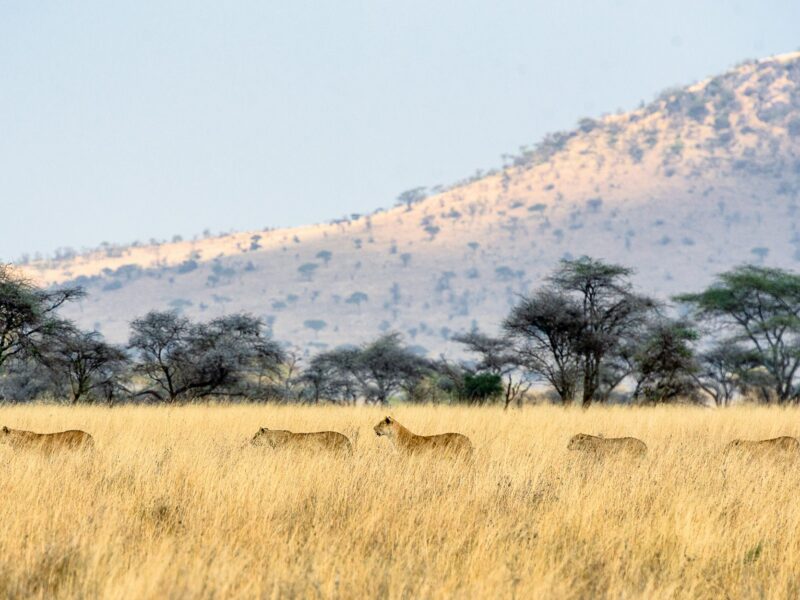
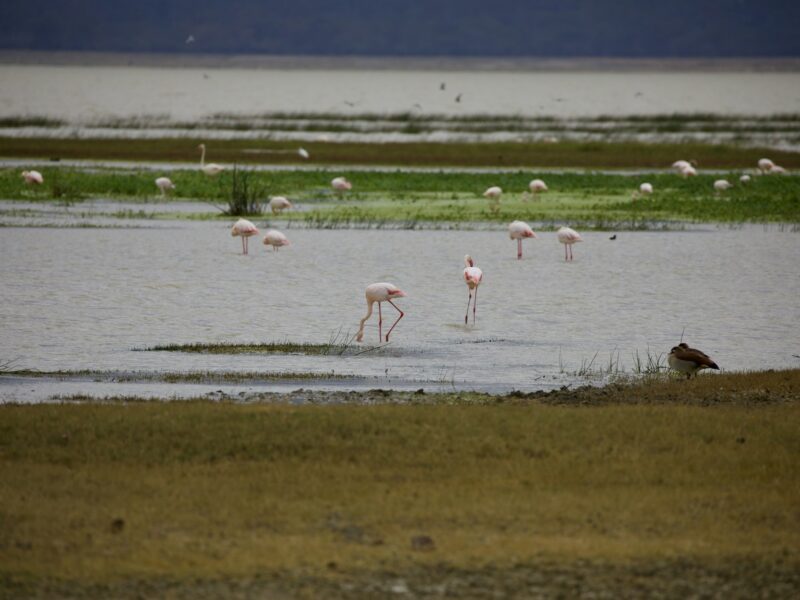
A first trip usually focuses on the northern parks. The Serengeti offers endless plains and big cats, the Ngorongoro Crater packs a remarkable range of wildlife into a single volcanic basin, Tarangire is known for large elephant herds, and Lake Manyara combines forest, water and birdlife. Families with limited time could look at the four-day Serengeti and Ngorongoro safari, while those with more days might add a southern park or the Zanzibar coast.
For background on the ecosystem, the Britannica overview of Serengeti National Park is a reliable start.
Tanzania safari with Pashto speaking guide: timing and travel
The dry months from June to October are the most popular for game viewing, as animals gather around permanent water. January and February bring the calving season to the southern Serengeti and Ndutu, when the short-grass plains fill with newborn wildebeest.
The usual arrival points are Kilimanjaro International Airport (JRO), Julius Nyerere International Airport (DAR) in Dar es Salaam and Zanzibar (ZNZ). From Afghanistan, Pakistan or the Gulf, journeys usually connect through hubs such as Dubai, Doha, Istanbul or Addis Ababa. Entry requirements depend on your passport and can change, so check the official eVisa portal and our entry guide before booking flights.
Pashto interpreters are hard to find, so the earlier you enquire, the better the chance of a Pashto-speaking guide, and we always do our best for you.
Common questions
More Language Guides
Prefer to plan in another language? See all our safari and Kilimanjaro guides by language, or browse: