Kilimanjaro is a long way from the flat polders of the Netherlands, yet Dutch and Belgian trekkers are a familiar sight on its trails. If you would like Kilimanjaro climbing with Dutch speaking guide support, it is a reasonable request, since Dutch is one of the languages regularly requested in Tanzania. A Dutch speaker is arranged on request, and we confirm availability for your dates before anything is booked.
Kilimanjaro climbing with Dutch speaking guide support: why it helps
Most climbers from the Low Countries manage well in English, but the mountain is not an ordinary environment. Above 4,000 metres, thinking slows and fatigue sets in quickly. Safety briefings about the summit push, the signs of acute mountain sickness and the plan for an emergency descent all deserve full understanding.
The daily health check, when a guide clips a pulse oximeter to your finger and asks how you slept, ate and feel, works best when you can describe symptoms precisely. For many people that is easier in Dutch, especially for older climbers or teenagers on a family climb. You can read about the Dutch language and its regional varieties; whether you are from Groningen or Ghent, mention any regional preference when you enquire.
The mountain crew and the Dutch speaker’s role
Climbs are led by licensed mountain guides working through a registered operator. Alongside the lead guide, you will have assistant guides, a cook and porters, who mostly speak Swahili and English among themselves. The Dutch speaker is usually the lead or assistant guide. Occasionally, an interpreter who walks with the group is the better fit, for instance when a particular guide is unavailable. We tell you which arrangement we can confirm.
Routes to consider
- Lemosho: a long, beautiful approach from the west, often chosen for its gradual acclimatisation.
- Machame: well known and scenic, with the steep but non-technical Barranco Wall.
- Marangu: huts rather than tents and a steady gradient.
- Northern Circuit: the longest and quietest, looping around the northern slopes.
- Rongai: a drier north-eastern approach that tends to be less crowded.
- Umbwe: short and steep, suited to experienced hikers.
Not sure where to begin? Our Kilimanjaro climbing overview sets the six routes out together.
Training in a flat country and choosing your dates
Training without mountains is perfectly possible. Stair sessions, long cycling days and back-to-back walks with a loaded pack all build the endurance you need, and hiking weekends in the Ardennes or the German uplands add valuable practice on real slopes. Break in your boots well before you leave.
January to March and June to October are generally the best climbing months, with drier trails and clearer views. Speak to your doctor before travelling, particularly if you have a heart or lung condition. For an idea of what a climb includes, see our Kilimanjaro cost breakdown.
Combining the climb with a safari or Zanzibar
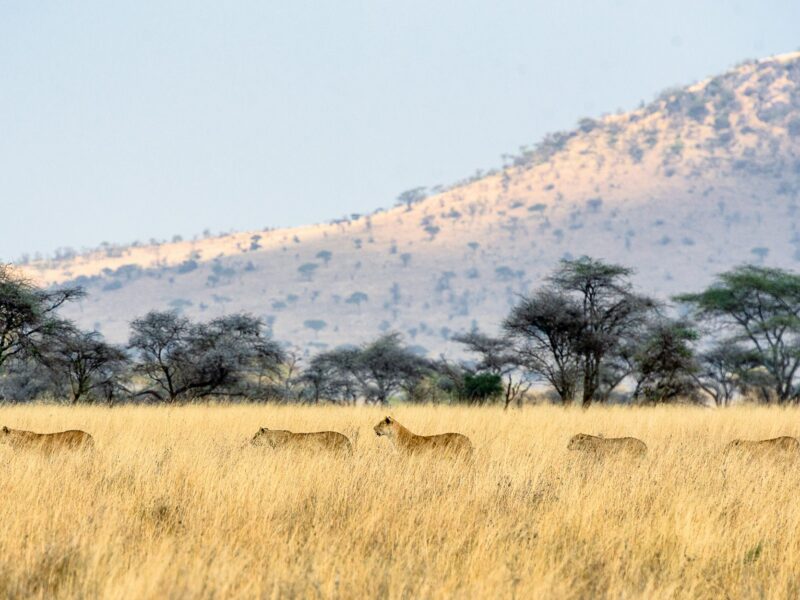
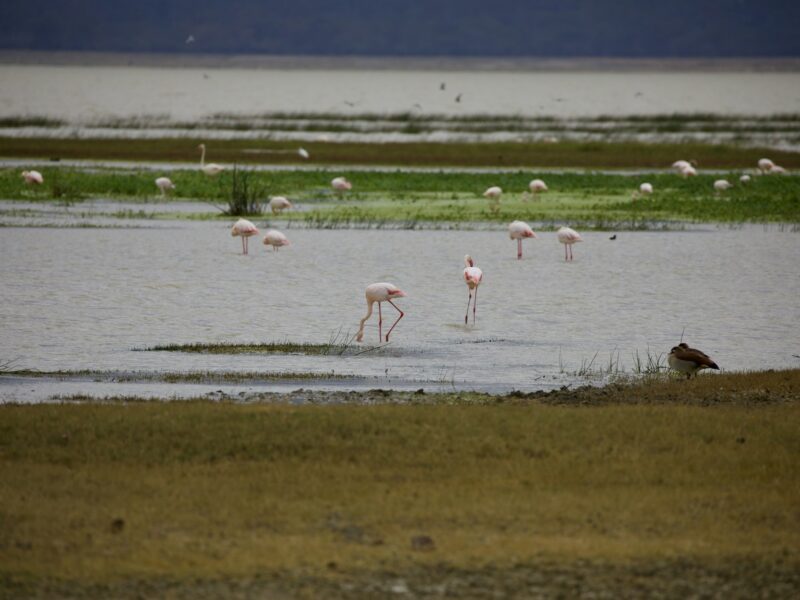
After several days on the mountain, a safari in the Serengeti or Ngorongoro is a restful change of pace, and Zanzibar’s beaches are ideal for recovering tired legs. Safari guides and mountain guides are usually different people, so we arrange Dutch support separately for each part of the trip. Browse our Kilimanjaro and safari combinations for ideas.
Most climbers fly into Kilimanjaro International Airport (JRO), often connecting via Amsterdam, Doha, Dubai, Istanbul or Nairobi. Check the current rules on the official Tanzania eVisa portal before you travel.
Dutch-speaking guides are in limited supply, so ask early. If your dates are close, we still try our best: send them through our planning form.
Veelgestelde vragen over Kilimanjaro
More Language Guides
Prefer to plan in another language? See all our safari and Kilimanjaro guides by language, or browse: