Nepali speakers know mountains better than almost anyone, and many have trekked to Himalayan base camps or worked on expeditions themselves. If you are looking at Kilimanjaro climbing with Nepali speaking guide support, you will find much that feels familiar, from the porters and cook to the slow, steady pace. What you are unlikely to find is a native Nepali-speaking guide, as they are rare in Tanzania, so we explain the alternatives here.
A crew that Himalayan trekkers will recognise
On Kilimanjaro, only licensed mountain guides attached to a registered operator can lead a climb. The team includes a lead guide, assistant guides, a cook and porters, rather like a teahouse or camping trek in Nepal. The crew’s working languages are Swahili and English.
Native Nepali speakers are rare among them, so the options are:
- a lead or assistant guide for whom Nepali is a second language, if we can find one;
- a professional Nepali interpreter who climbs as part of the team;
- written Nepali summaries of the safety briefings, prepared where possible.
If your group is comfortable in Hindi or English, that may widen the choice. We confirm what we can arrange for your dates and never promise a specific option beforehand. You can read more on Wikipedia’s Nepali language page.
Kilimanjaro climbing with Nepali speaking guide support: why it matters
Experience in the Himalaya helps, but it does not make anyone immune to altitude sickness. Every day, your guides check oxygen saturation and pulse with a pulse oximeter and ask how you are sleeping and eating. Honest, detailed answers help them keep you safe.
Kilimanjaro routes often gain height faster than many Himalayan treks, because a whole climb usually lasts about a week rather than several weeks. That leaves less margin for error, so understanding the acclimatisation plan, the warning signs and the summit-night briefing in Nepali is genuinely valuable. It also means you can raise concerns quickly rather than waiting for a translation.
The six main routes
The Lemosho route is a long western approach with excellent acclimatisation. The Machame route crosses varied scenery and includes the Barranco Wall scramble. The Marangu route uses huts, which may remind you of teahouse trekking.
Rongai rises from the north and is usually quieter. The Northern Circuit is the longest, giving the most time to adjust. Umbwe is steep and direct, suited to experienced hikers. If you have trekked in the Annapurna or Everest regions, you may be tempted by a shorter route, but choosing extra days is usually the wiser decision, as it gives your body more time to adjust and makes the summit day more enjoyable.
Preparation and best months
January to March and June to October are generally the best months to climb. If you trek regularly in Nepal, keep your fitness up with long hill walks before you travel, and see a doctor if you have any health concerns. Vegetarian meals can usually be prepared by mountain cooks on request. Our Kilimanjaro climb cost page explains what is included.
Down from the summit: safari or Zanzibar
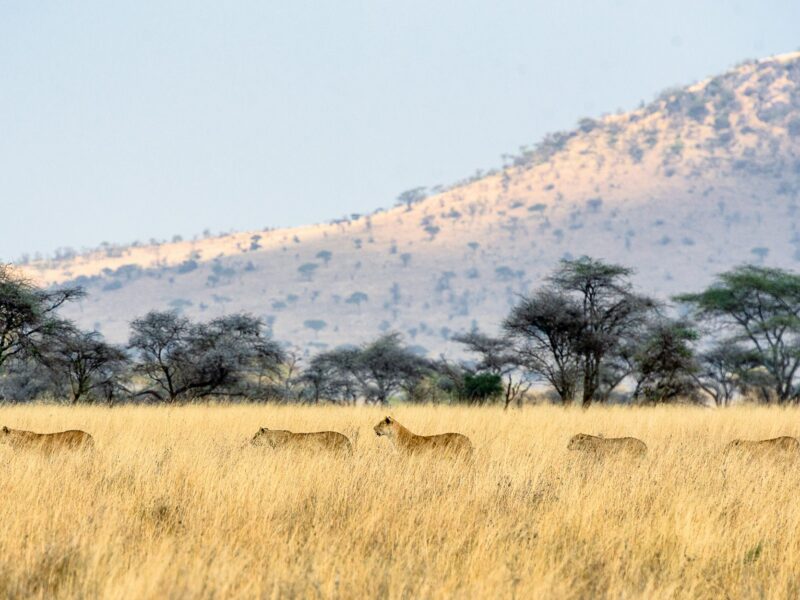
Once you are down, a short safari in the Serengeti, Ngorongoro or Tarangire offers a complete change of scenery, and Zanzibar is ideal for a few days by the sea. Most climbers fly into Kilimanjaro International Airport (JRO), often via Doha or Dubai from Kathmandu. Before booking flights, look up the latest requirements on the official Tanzania eVisa portal.
Interpreters and second-language guides are scarcer when time is short, so the sooner you ask, the better. We do everything we can for every climber, whatever their timing, so share your plans via the trip planner.
FAQs
More Language Guides
Prefer to plan in another language? See all our safari and Kilimanjaro guides by language, or browse: