Many Greek hikers have stood on Mytikas, the summit of Mount Olympus, and wondered what it would be like to climb much higher. Kilimanjaro, at 5,895 metres, is the obvious answer for a non-technical challenge. If you are considering Kilimanjaro climbing with Greek speaking guide support, we will be honest: native Greek speakers are rare among Tanzanian mountain guides, but there are good ways to make sure you understand every briefing.
Why Greek briefings matter at altitude
The higher you go, the harder it is to think clearly. Each day, your guides measure your oxygen saturation and pulse with a pulse oximeter and ask about headache, nausea and sleep. Altitude sickness can affect anyone, so the decisions they make depend on what you tell them.
Describing symptoms precisely, and fully understanding the advice on pace, water and rest, is much easier in Greek. The summit-night briefing, often given late in the evening when you are tired and cold, is the most important of all. It explains when you leave camp, how slowly to walk, how to keep water from freezing and when the guide may decide that someone must turn back. Missing one detail can make a long night much harder.
Kilimanjaro climbing with Greek speaking guide: the team on the mountain
Climbs are led by licensed mountain guides working with a registered operator. A typical crew includes a lead guide, assistant guides, a cook and porters, communicating mainly in Swahili and English. Our options for Greek support are:
- a lead or assistant guide who speaks Greek as a second language, if available on your dates;
- a professional Greek interpreter who joins the climb;
- written Greek briefing notes on safety and altitude, where possible.
Some climbers are comfortable in German or French, which can widen the search. We confirm availability before you book and never promise a particular option. Wikipedia’s Greek language page has more on the language itself.
Comparing routes
| Route | Character in a few words |
|---|---|
| Machame | Scenic, popular and varied, with camping |
| Lemosho | Western approach, quiet early days and gradual ascent |
| Marangu | Huts and a steady gradient |
| Rongai | Drier northern side, fewer climbers |
| Northern Circuit | Longest route with the most acclimatisation |
| Umbwe | Steep and direct for experienced hikers |
See the Machame, Lemosho and Umbwe pages for details, or our general Kilimanjaro climbing page.
Training and choosing your month
Generally, January to March and June to October offer the best climbing conditions. Hiking in the Pindus, on Olympus or in the mountains of Crete builds useful stamina, and long walks with a loaded daypack are the best training. See a doctor before travel, especially if you are over fifty or have health concerns. During Orthodox fasting periods, mountain cooks can usually prepare vegetarian meals, though it is worth discussing with your doctor how fasting fits with the energy needs of the climb.
Safari, Zanzibar and getting here
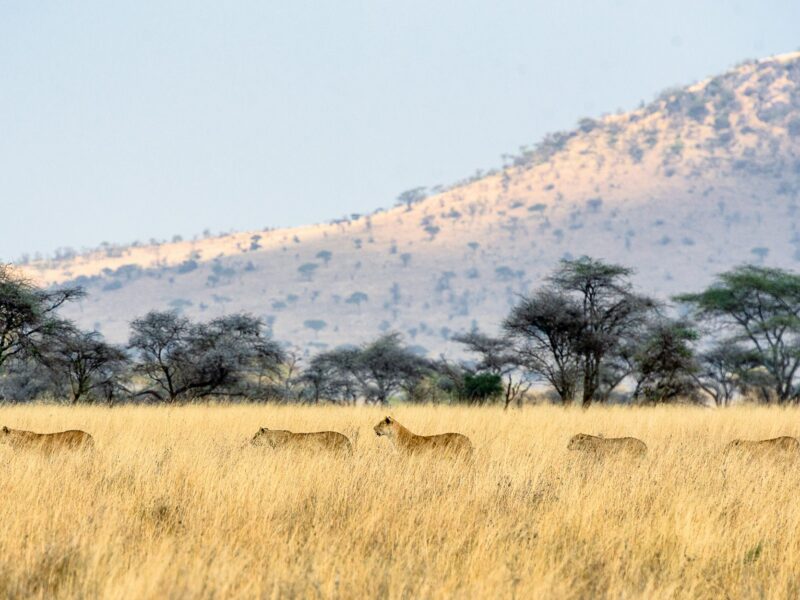
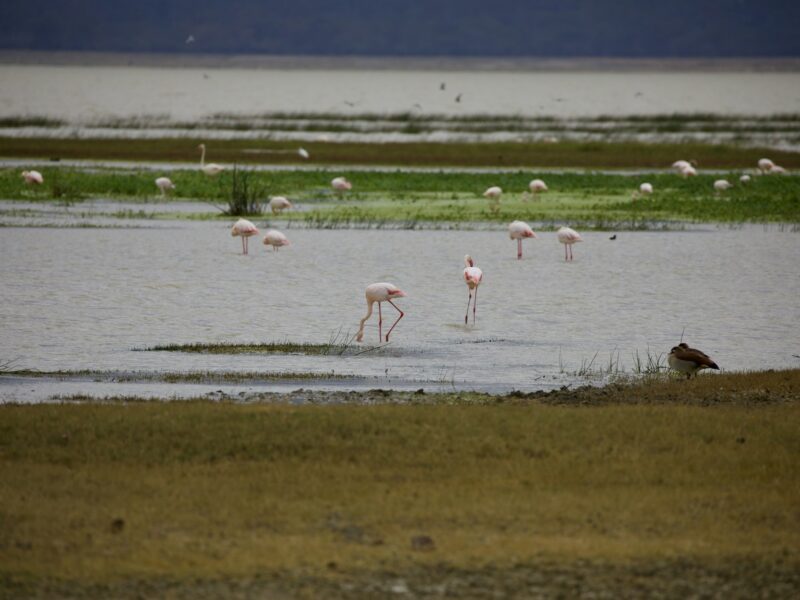
After the descent, a few days of game viewing in the Serengeti or Ngorongoro make a fine reward, and Zanzibar’s beaches are perfect for recovery. Browse our Kilimanjaro and safari combinations. Most climbers fly into Kilimanjaro International Airport (JRO), with routes from Greece and Cyprus typically via Istanbul, Doha or Dubai. Read about the mountain’s geography in Britannica’s Kilimanjaro entry, and check entry rules on the official eVisa portal.
Finding a Greek speaker gets harder as your dates get closer, so please enquire early; the earlier you ask, the better your chances. Start with our planning form.
FAQs
More Language Guides
Prefer to plan in another language? See all our safari and Kilimanjaro guides by language, or browse: