Some trekkers from Bihar, eastern Uttar Pradesh and Nepal have walked in the Himalayan foothills, yet Kilimanjaro brings its own challenges. For anyone considering Kilimanjaro climbing with Bhojpuri speaking guide help, we arrange climbs from Arusha and search for the most workable way to bring your language onto the mountain.
Bhojpuri-speaking mountain guides are, honestly, very hard to find in Tanzania. We will look at what can work for your dates and confirm it before you pay.
Why understanding the mountain’s advice matters
The secret of a good summit attempt is pace. Guides repeat “pole pole”, Swahili for “slowly, slowly”, and they explain why: climbing gradually gives your body time to adapt to thinner air. Every day they also check your oxygen saturation and pulse with a pulse oximeter and ask about sleep, appetite and headaches. Honest, detailed answers help them spot early altitude sickness. When those conversations happen in Bhojpuri, there is less chance that a symptom is played down or an instruction misunderstood, especially for anyone less comfortable in English.
Kilimanjaro Climbing with Bhojpuri Speaking Guide: The Options
Regulations require climbs to be led by licensed mountain guides working with a registered operator. Your crew usually includes a lead guide, assistant guides, a cook and a team of porters, and they mostly speak Swahili and English among themselves and with climbers.
The Bhojpuri speaker on your trek would take one of these roles:
- a lead or assistant guide with Bhojpuri as a second language, if such a guide can be found;
- a professional Bhojpuri interpreter who treks alongside you;
- or, where we can, written Bhojpuri material covering safety and acclimatisation, used alongside an English-speaking crew.
If you also speak Hindi comfortably, tell us, since it gives us more options to explore. Asking early helps most, because language support becomes scarce close to departure, but late requests still get our full effort.
Routes compared
| Route | Character |
|---|---|
| Machame | Popular and scenic, with steady acclimatisation |
| Lemosho | Remote western start, extra days for adjusting |
| Marangu | Huts instead of tents, more direct |
| Rongai | Northern approach, often drier and quieter |
| Northern Circuit | Longest route, wide views, excellent acclimatisation |
| Umbwe | Steep and direct, for experienced trekkers only |
Start with our Kilimanjaro climbing guide, or compare the Lemosho route and the Northern Circuit route if you want the most time to acclimatise. Budget questions are covered on our climb cost page.
Food, preparation and timing
Mountain cooks can prepare vegetarian meals on request, and it helps to tell us about any further restrictions so the right ingredients are carried up. Train for several weeks with long walks, stair climbing and hill days carrying a light pack. Drier, clearer weather usually arrives from January to March and again from June to October.
Travellers from India and Nepal typically connect via Doha, Dubai, Addis Ababa or Nairobi to Kilimanjaro International Airport (JRO). Before booking flights, review the latest entry requirements on the official eVisa portal at visa.immigration.go.tz. The Mount Kilimanjaro Wikipedia article gives helpful background on the mountain’s geography.
After the summit: safari and Zanzibar
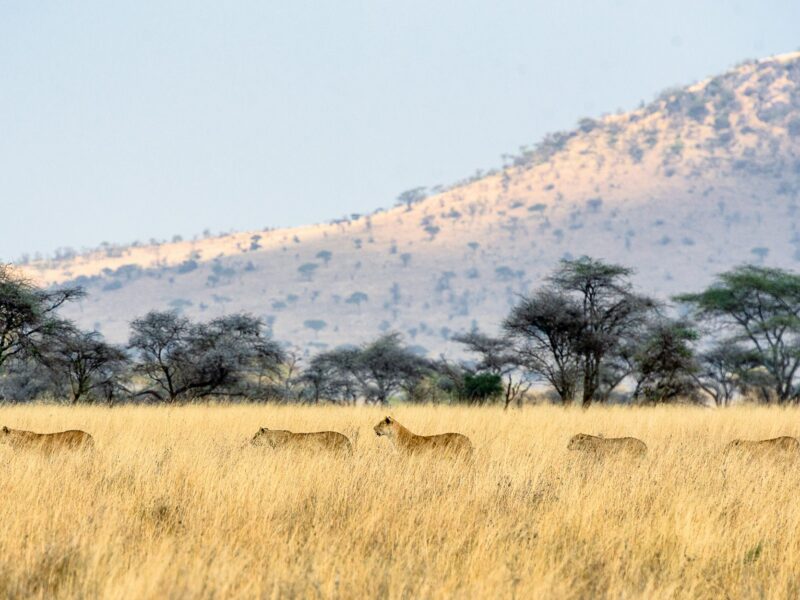
A safari is a rewarding way to rest after the climb. Our Kilimanjaro and safari trips combine the trek with the Serengeti or Ngorongoro, and Zanzibar offers warm water and spice farms for a calm finish. Share your ideas through our planning form. You can read about the language on the Bhojpuri language page.
More Language Guides
Prefer to plan in another language? See all our safari and Kilimanjaro guides by language, or browse: