Climbing Kilimanjaro takes you from warm farmland to icy ridges in a matter of days. If you are researching Kilimanjaro climbing with Burmese speaking guide support, we plan climbs from Arusha and look honestly at how to provide Burmese for your group.
Native Burmese-speaking mountain guides are extremely rare in Tanzania. We look at the realistic choices for your dates and confirm the outcome before you book.
Why your own language helps at altitude
As the air thins, your body needs time to adapt. Guides give daily briefings on pace, layers and hydration, and they monitor every climber with a pulse oximeter, measuring oxygen saturation and heart rate, alongside questions about headaches, nausea and sleep. A climber who is unsure of an English word might say “fine” when they are not. Hearing the questions in Burmese and answering in Burmese gives the guide accurate information, and it lets you understand exactly why a guide may ask you to slow down or descend. If you are climbing with friends or relatives whose English varies, one Burmese speaker can keep the whole group informed.
Kilimanjaro Climbing with Burmese Speaking Guide: The Crew
Kilimanjaro regulations put licensed mountain guides, employed by a registered operator, in charge of every climb. Your crew normally includes a lead guide, assistant guides, a cook and porters; they speak Swahili and English. The Burmese speaker would be either a lead or assistant guide with Burmese as a second language, where available, or a professional interpreter who walks with your group. Written Burmese safety notes may also be possible. Porters carry tents, food and your main bag, so you walk with only a daypack holding water, snacks and spare layers, and the cook can usually accommodate vegetarian requests. We do not commit to one option until we have checked, and closer to departure the choice is smaller, so ask early, and late requests still get our full attention.
Choosing your route
| Route | Main feature |
|---|---|
| Machame | Scenic, popular, good acclimatisation |
| Lemosho | Western start, gradual ascent |
| Marangu | Hut accommodation |
| Rongai | Northern side, fewer climbers |
| Northern Circuit | Longest, most gradual |
| Umbwe | Steepest, for experienced hikers |
Explore the Machame route, the Lemosho route or the Umbwe route in more detail, or start with our Kilimanjaro overview. If you can spare the time, a longer route is worth it, as extra days on the mountain give your body more chance to adapt.
From tropical heat to a freezing summit
If you live in a warm climate, plan your clothing carefully: summit night is cold and windy. Bring thermal layers, a good down jacket and insulated gloves. Train with long walks and hill sessions for several weeks. January to March and June to October usually give the best conditions, while the rainy months can leave the forest trails muddy. From Myanmar or Southeast Asia, climbers generally connect via Doha or Dubai to Kilimanjaro International Airport (JRO). Ahead of booking, look at the official eVisa portal (visa.immigration.go.tz) for the latest rules. The Britannica entry on Kilimanjaro explains the mountain’s geology.
Before or after: safari and Zanzibar
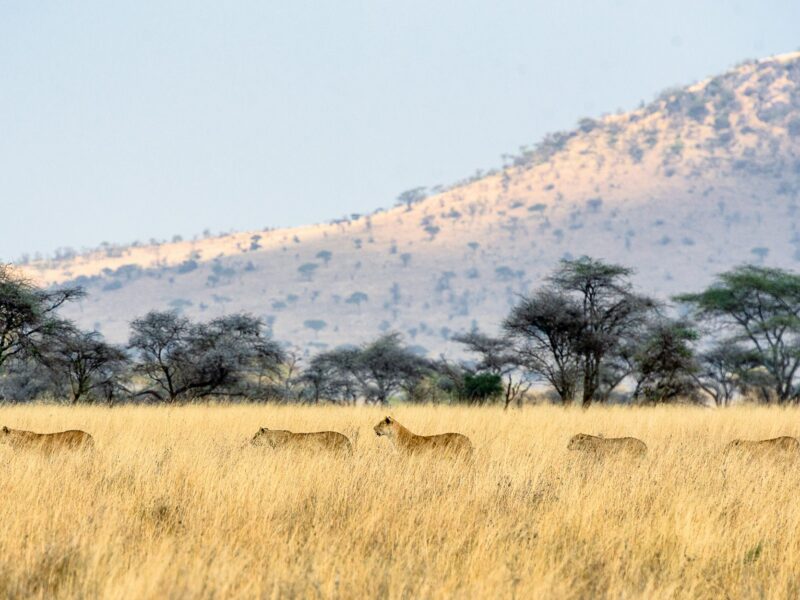
Add wildlife with our climb and safari combinations, or finish with a few relaxing days on Zanzibar. Many climbers fit the safari in after the summit, when a seat in a vehicle feels very welcome, though doing it first can help you adjust to the climate. Begin with the planning form. Learn about the Burmese language.
Common questions
More Language Guides
Prefer to plan in another language? See all our safari and Kilimanjaro guides by language, or browse: