Standing on Uhuru Peak at 5,895 metres is a goal for climbers from Lagos to London. For those interested in Kilimanjaro climbing with Yoruba speaking guide support, we plan treks from Arusha and investigate the best way to provide Yoruba alongside a fully licensed mountain crew.
Mountain guides who grew up speaking Yoruba are rare in Tanzania. Rather than promise something we cannot be sure of, we check the options for your dates and confirm the arrangement before you commit.
What the crew tells you, and why Yoruba helps
Each day on Kilimanjaro begins and ends with information. In the morning your guide explains the distance, terrain and weather; in the evening comes a health check with a pulse oximeter clipped to your finger, measuring blood oxygen and pulse, followed by questions about appetite, sleep and headaches. Altitude sickness can develop gradually, and the guide relies on what you say. If someone in your group finds English tiring after a long day, they may answer quickly rather than accurately. Having a Yoruba speaker present makes these exchanges clearer and calmer, and it helps when the advice is to rest, slow down or turn back.
Who leads the climb
Regulations require Kilimanjaro climbs to be led by licensed mountain guides employed through a registered operator. Your team usually includes:
- a lead guide responsible for safety and decisions;
- assistant guides who walk with slower or faster members of the group;
- a cook who prepares meals at each camp;
- porters who carry tents, food, water and your main bag.
Swahili and English are the crew’s working languages. A Yoruba speaker would join as a lead or assistant guide with Yoruba as a second language, where available, or as a professional interpreter who climbs with you. Written Yoruba safety notes may be possible too. We confirm which of these is realistic only after checking. Language support is easier to arrange with time, so ask as early as possible; if your climb is soon, we will still try our best.
Kilimanjaro Climbing with Yoruba Speaking Guide: Which Route?
Your route shapes your experience. The Machame route is popular for its scenery and its climb-high, sleep-low profile. The Rongai route begins near the Kenyan border and tends to be quieter. The Marangu route uses huts, the Lemosho route offers a long, beautiful approach from the west, the Northern Circuit circles the mountain for maximum acclimatisation, and Umbwe is a steep option for experienced hikers. Our Kilimanjaro overview explains each in more depth, and the Britannica article on Kilimanjaro covers the mountain’s volcanic history.
Training, timing and travel
Aim for regular hikes with a daypack, plus stair or hill sessions, for several weeks before departure. Plan for January to March or June to October if you can, as these windows generally bring the steadiest weather. Climbers from Nigeria commonly connect through Addis Ababa or Nairobi, while those in the UK or US often route via Doha, Dubai, Istanbul or Amsterdam, landing at Kilimanjaro International Airport (JRO). Each nationality has its own entry rules, so look them up on the official eVisa portal (visa.immigration.go.tz) well before you fly.
Combining the climb with more of Tanzania
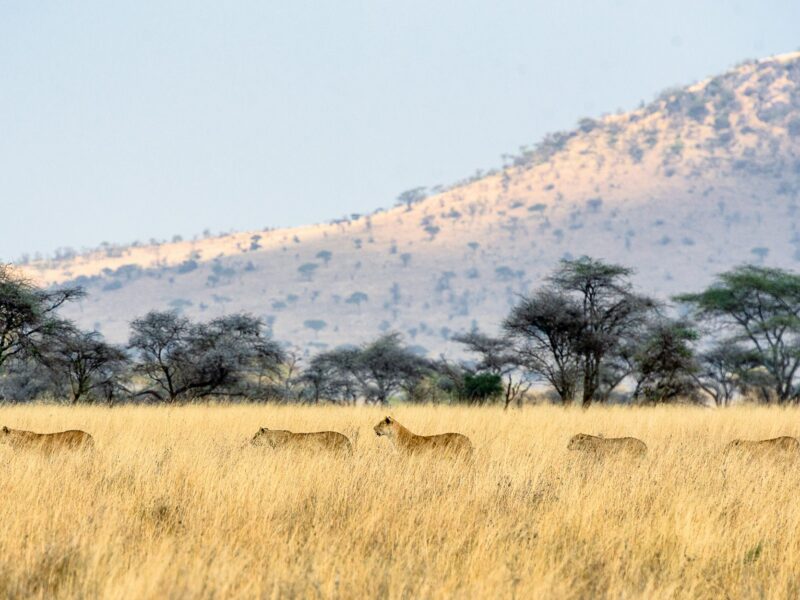
After the descent, a few days in the Serengeti or the Ngorongoro Crater make a well-earned reward; see our Kilimanjaro and safari itineraries. Zanzibar adds beaches and the history of Stone Town. Send your plans through the planning page. For background on the language, visit the Yoruba language article.
Climbing FAQs
More Language Guides
Prefer to plan in another language? See all our safari and Kilimanjaro guides by language, or browse: