Selamat pagi! If you are searching for a Tanzania safari with Indonesian speaking guide, we want to be upfront from the start: guides who speak Bahasa Indonesia as a native language are rare in Tanzania. That does not mean you have to manage everything in English, and below we explain the options we can explore for you.
We are an independent, Arusha-based operator. Travellers from Indonesia who contact us often come from Jakarta, Surabaya, Bandung, Medan or Bali, and many are families or groups of friends travelling together. Because Bahasa Indonesia is closely related to Malay, some of the same options can also suit Malay-speaking visitors.
Realistic Language Options for Your Safari
When you send your dates, we search for the best fit. Depending on availability, that may be one of the following, and we never promise a particular option before we have checked.
- A guide who speaks Indonesian as a second language, where one can be found for your dates.
- An English-speaking guide working alongside a professional Indonesian interpreter who travels with you.
- Written Bahasa Indonesia briefings or notes on parks, animals and safety rules, where these can be prepared.
Whichever route is possible, we confirm availability before you book and tell you exactly what to expect.
Why a Tanzania Safari with Indonesian Speaking Guide Support Helps
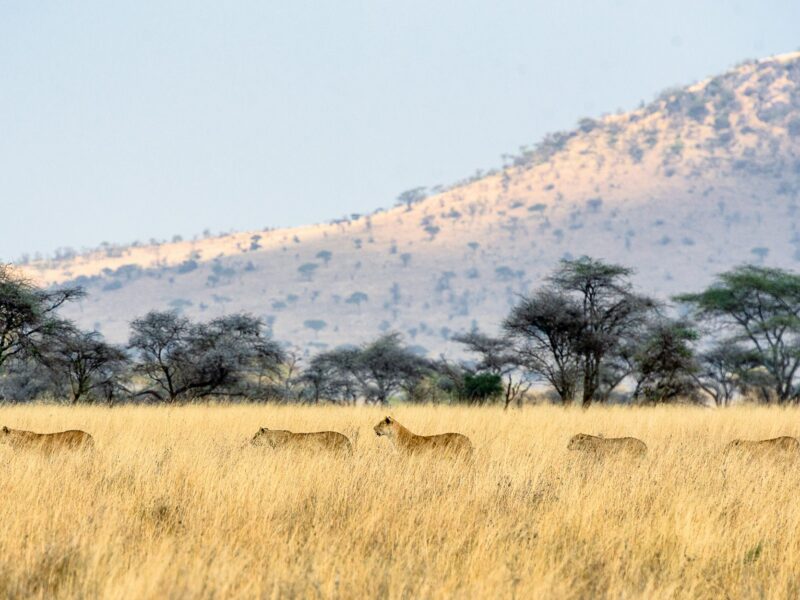
Watching a pride of lions is exciting in any language, but understanding why the lionesses hunt together, or why a hyena is not simply a scavenger, makes the experience far richer. Children and older relatives in particular enjoy a safari more when they can ask questions freely. Clear explanations of park rules, such as remaining in the vehicle and keeping a respectful distance, also help everyone stay safe.
A small surprise for many Indonesian visitors: some Swahili words sound familiar. Swahili wakati and Indonesian waktu both mean time, for example, because both languages borrowed the word from Arabic.
Halal Food, Prayer Times and Comfort
Many lodges and camps can usually prepare halal meals on request, so please mention this when you book. Your guide can also plan short stops during long game drives so you have time for prayer, and Zanzibar, with its largely Muslim population, makes a relaxed beach finish. Our 7-day safari and Zanzibar itinerary is a popular example.
How the Trip Is Organised
Each private safari uses a 4×4 vehicle with a pop-up roof, driven by your professional guide, who also leads the wildlife viewing. If an interpreter joins you, they ride in the same vehicle so nothing is missed.
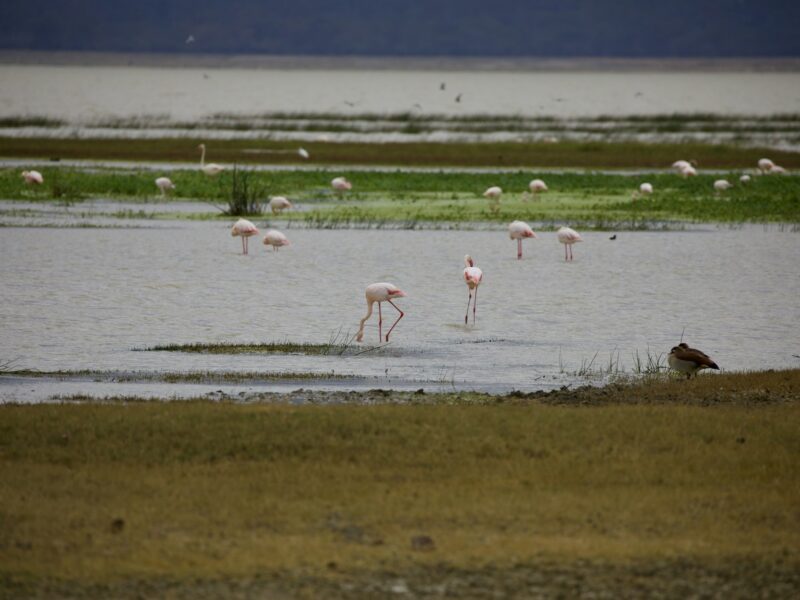
The classic northern route covers Tarangire National Park for elephants and baobabs, Lake Manyara for birdlife, the Ngorongoro Crater for its dense wildlife, and the vast Serengeti. You can read more about the Serengeti ecosystem in the Britannica Serengeti National Park entry.
Seasons and the Journey from Indonesia
From June to October the dry season makes animals easier to find around rivers and waterholes. In January and February the migration herds usually calve near Ndutu and the southern Serengeti, a superb time for predator action.
International travellers generally arrive at Kilimanjaro International Airport (JRO), Julius Nyerere International Airport (DAR) in Dar es Salaam, or Zanzibar (ZNZ). From Indonesia, itineraries frequently connect via Doha, Dubai, Istanbul or Addis Ababa. Visa rules can change, so please check the official Tanzanian eVisa portal for the current requirements.
Because interpreters and second-language guides are limited, availability can be tighter as your dates approach. The earlier you ask, the better, but we will still try our hardest if your trip is soon. Send your plans through our safari planner and we will reply with honest options.
For more on the language itself, see the Indonesian language on Wikipedia.
Indonesian Safari FAQs
More Language Guides
Prefer to plan in another language? See all our safari and Kilimanjaro guides by language, or browse: