Γεια σας. Greek has given safari-goers more words than you might think: hippopotamus means river horse, and rhinoceros means nose horn. Arranging a Tanzania safari with Greek speaking guide support is less straightforward, because native Greek-speaking guides are rare in Tanzania. We will set out the honest options and confirm what is possible for your dates before you commit.
Greek (Ελληνικά) is spoken in Greece and Cyprus and by large communities in Australia, North America, the United Kingdom and Germany. The Greek language article on Wikipedia traces its long history.
What we can arrange in Greek
Depending on who is free, the possibilities include:
- a guide who speaks Greek as a second language, when one is available;
- an English-speaking guide-driver with a professional Greek interpreter in the vehicle;
- written Greek notes, such as your itinerary or a wildlife glossary, where possible.
Some Greek travellers are also confident in German or French, and German and French-speaking guides are requested regularly in Tanzania. If that applies, say so, as it can make planning easier. No option is promised until it is confirmed.
Why it helps to hear explanations in Greek
Much of the magic on safari lies in the detail. Your guide explains why male impala gather in bachelor herds, how a crocodile can wait for weeks between meals, and what the tracks on the road tell you about the night before. Hearing it in Greek keeps children engaged and lets older relatives ask questions without hesitation. It also makes safety instructions crystal clear, from keeping arms inside the vehicle near lions to staying quiet when elephants pass. Photographers benefit as well, because the guide can explain in your language where to point the camera and when an animal is about to move.
Cultural visits benefit too. Learning about Maasai beadwork, cattle and family life is more rewarding when you can talk directly with your hosts through someone who speaks your language.
Tanzania safari with Greek speaking guide: planning your trip
You travel in a private 4×4 with a pop-up roof, perfect for photography, and your guide-driver handles everything on the road. During periods of Orthodox fasting, lodges can usually provide vegetarian or vegan meals on request.
- Send your dates and wishes through our planning page.
- We check language options and send you a proposed route.
- You confirm, and we book the guide, interpreter and lodges.
Where to go
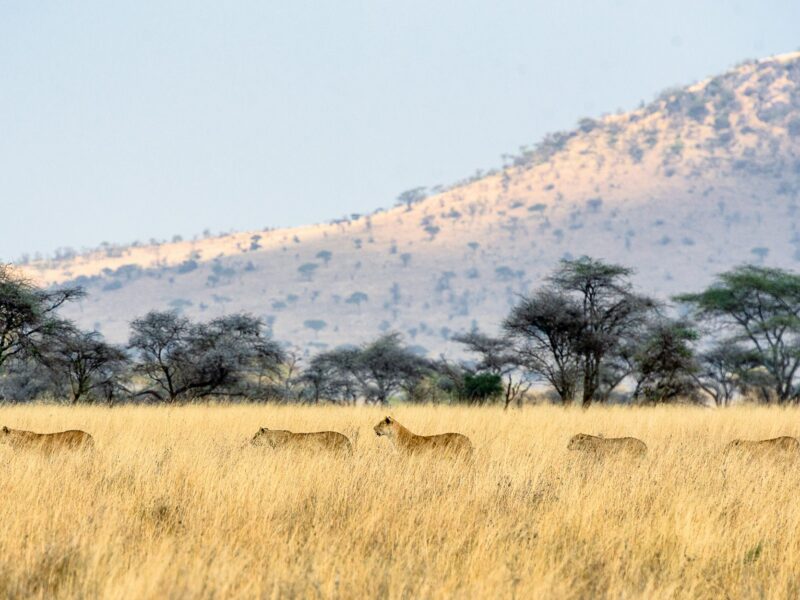
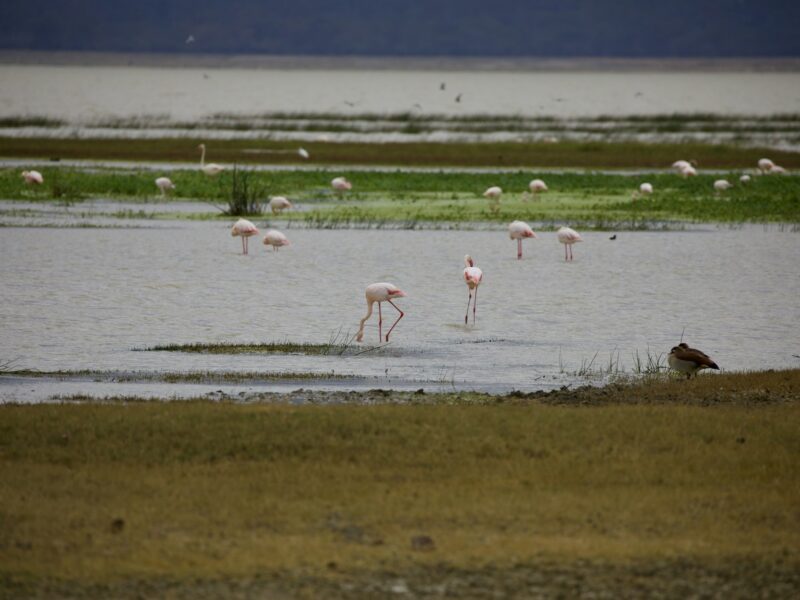
Most first-time visitors focus on the north. The Serengeti is vast and full of predators, the Ngorongoro Crater is a wildlife-rich volcanic caldera, Tarangire is famous for elephants, and Lake Manyara offers forest and birdlife. Couples may like our honeymoon safaris. For background, read the Britannica entry on Serengeti National Park. Longer trips can add the southern parks, such as Nyerere, with boat safaris on the river, or Ruaha, a wild and less visited area. A beach stay on Zanzibar is a natural finale for Greek travellers who like the sea.
Seasons and flights from Greece and Cyprus
The dry season from June to October is the classic time to visit, with animals gathered near water. January and February are calving months in the southern Serengeti and Ndutu.
Most international visitors fly into Kilimanjaro International Airport (JRO), Julius Nyerere International Airport (DAR) in Dar es Salaam or Zanzibar (ZNZ). From Athens, Thessaloniki or Larnaca, routes usually connect via Istanbul, Doha, Dubai or Addis Ababa, and Greek Australians often travel via Doha or Dubai. Check current entry rules on the official eVisa portal before travelling.
Greek interpreters are hard to find, so the earlier you ask, the better the chance of a Greek-speaking guide, though we always do our best.
FAQs
More Language Guides
Prefer to plan in another language? See all our safari and Kilimanjaro guides by language, or browse: