Standing at Uhuru Peak, 5,895 metres above sea level, is a goal that draws climbers from every corner of the world, including Sindhi speakers from Pakistan, India and the diaspora. If you want Kilimanjaro climbing with Sindhi speaking guide support, this page explains honestly what is possible, where a Sindhi speaker fits into a mountain crew, and why understanding the daily briefings matters so much at altitude.
Sindhi (سنڌي), the Indo-Aryan language of Sindh, is rarely heard on the mountain, so arranging support takes some planning.
Why briefings in Sindhi make a difference
Altitude affects everyone differently, and the early warning signs are often subtle: a headache that will not shift, loss of appetite, unusual tiredness or breathlessness at rest. Each day, guides run a health check with a pulse oximeter, a small clip on your fingertip that reads blood oxygen and heart rate, and they ask how you feel. Your honest answers help them decide whether you continue, rest or descend.
When you are cold, tired and short of breath, describing symptoms accurately is much easier in your mother tongue. The same goes for safety briefings about pacing, drinking enough water, layering clothes and what happens in an emergency. Understanding these fully is the main reason to request language support on Kilimanjaro.
Kilimanjaro climbing with Sindhi speaking guide support: crew roles
Every ascent has to be led by licensed mountain guides through a registered operator. A typical climb has a lead guide, one or more assistant guides depending on group size, a cook and a team of porters. Among themselves, crew members talk in Swahili and English.
Native Sindhi speakers among licensed Kilimanjaro guides are rare, so we discuss the realistic options with you:
- an assistant or lead guide who speaks Sindhi as a second language, where one can be found for your dates;
- a professional Sindhi interpreter who walks alongside the crew and translates briefings and health checks;
- written Sindhi summaries of key safety information, prepared in advance where a reliable translation is available.
We never promise a particular option until we have confirmed it, and if your group also speaks Urdu or Hindi, that may help.
Choosing a route
Each route has its own character, and the right one depends on your fitness, time and comfort preferences.
- The Machame route is popular and scenic, with sound acclimatisation if you take the longer version.
- The Lemosho route starts in the remote western forests and allows a gradual ascent.
- The Marangu route is the only one with hut accommodation, which some climbers prefer to tents.
- Rongai approaches from the drier northern side, close to the Kenyan border.
- The Northern Circuit is the longest option, circling the mountain for extra acclimatisation time.
- Umbwe is steep and direct, best left to experienced trekkers.
An overview of every option is on our Kilimanjaro climbing page.
Preparing for the climb and picking your month
The best climbing months are generally January to March and June to October, when conditions tend to be drier. Spend several months building up to long hill walks with a loaded daypack. Seeing a doctor before travel is sensible, especially for older climbers or anyone with a health condition.
Food is an important part of keeping your strength up. Mountain cooks can usually prepare vegetarian or halal meals on request, so tell us your requirements when you book. For a breakdown of what affects the price, see Kilimanjaro climb cost.
Combining Kilimanjaro with a safari or Zanzibar
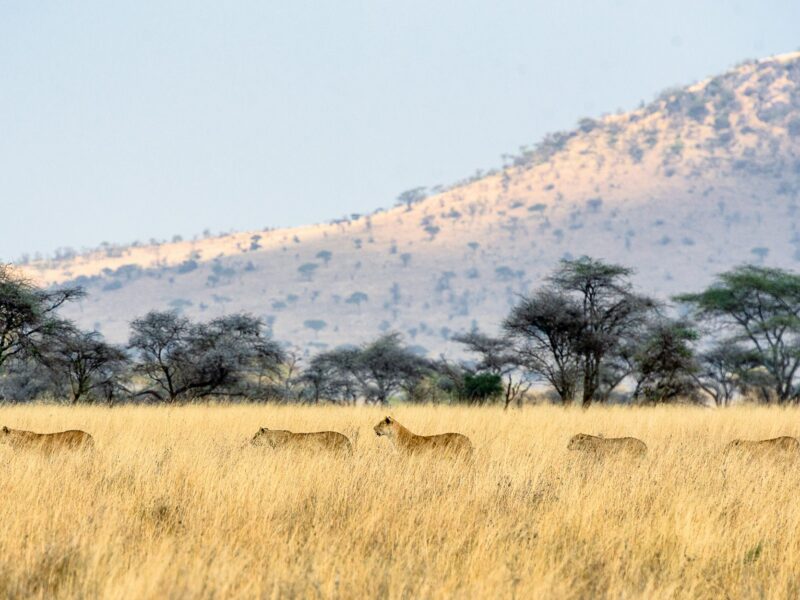
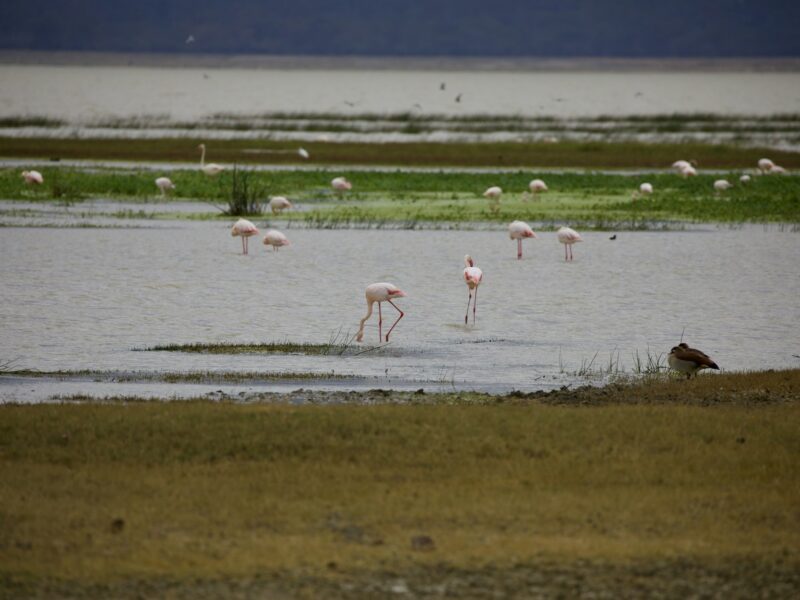
Many climbers add a few days of game viewing after the descent, which is a relaxing contrast to the trek, or finish with a beach stay on Zanzibar. Our Kilimanjaro and safari combinations show how the pieces fit together. If an interpreter joins you, they may be able to stay on for the safari portion too, subject to availability.
Most climbers fly into Kilimanjaro International Airport (JRO), with connections from Pakistan, India and the Gulf often running via Doha, Dubai or Addis Ababa. Entry rules change, so check the official Tanzania eVisa portal before you fly.
Interpreters and second-language guides take time to secure, so contact us early; the sooner you ask, the better the chance of a Sindhi-speaking guide for your climb. Start by sending your dates through our planning form.
Kilimanjaro FAQs for Sindhi speakers
More Language Guides
Prefer to plan in another language? See all our safari and Kilimanjaro guides by language, or browse: