On safari
Always follow your guide's instructions, stay in the vehicle unless told otherwise, and never approach wildlife on foot.
In towns and cities
Use hotel safes, avoid walking alone at night and keep valuables out of sight in busy markets.
Health
See a travel health professional before you go about vaccinations and malaria prevention. Drink bottled or filtered water.
Official advice
Check your government's travel advice for the latest information before travelling.
Plan with local experts
Our planners in Arusha can help with every detail of your trip. Request a free quote or browse our safari packages.
Practical safety tips
- Use registered taxis or transfers arranged by your operator
- Keep copies of documents separate from originals
- Use hotel safes and avoid displaying valuables
- Respect local customs, especially on Zanzibar
- Drink bottled or filtered water
Health
- Visit a travel clinic 6–8 weeks before travel
- Use insect repellent and sleep under nets where provided
- Ensure travel insurance includes medical evacuation
On safari
Your guide is trained to keep you safe. Stay inside the vehicle except at designated areas, keep voices low near animals and never feed wildlife.
Women travellers
Many women travel to Tanzania alone or in groups. Dress modestly in towns, use trusted transport and keep your operator informed of your plans.
LGBTQ+ travellers
Same-sex relationships are illegal in Tanzania. Discretion in public is advised; lodges and safari staff are generally discreet and professional.
Wildlife safety on safari
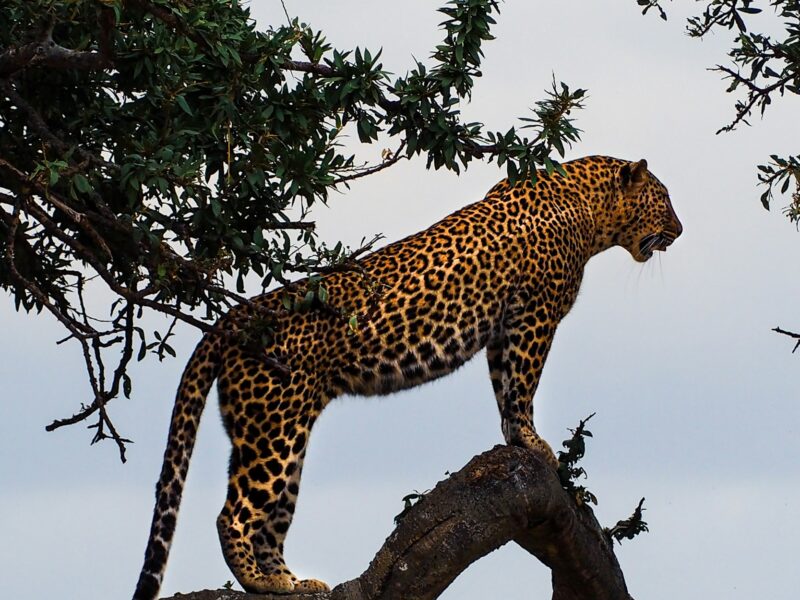
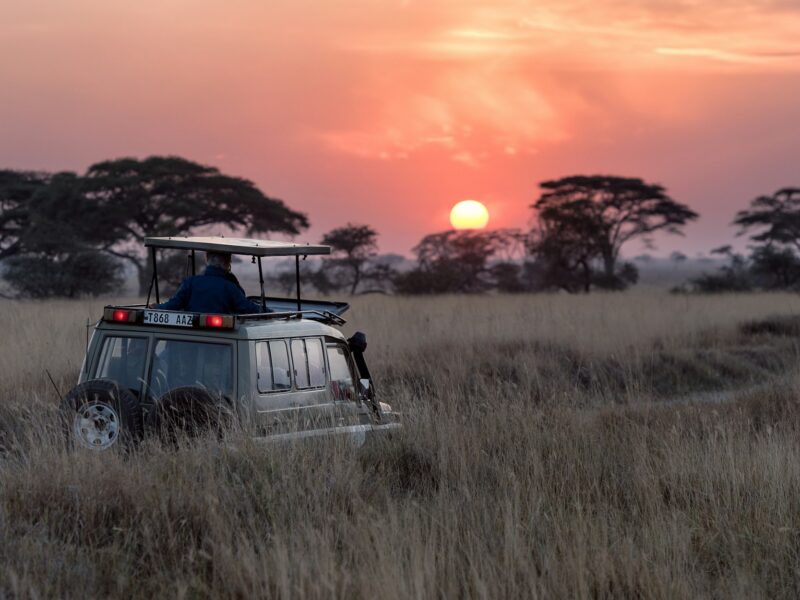
Most visitors find that the safest place in Tanzania is inside a safari vehicle with an experienced guide. Animals in the parks are generally used to vehicles and treat them as part of the landscape. Problems usually arise only when people break the rules.
- Keep arms and heads inside the vehicle near big cats, elephants and buffaloes
- Never stand up through the roof near animals that are close or agitated
- Do not leave your tent or room at night without an escort in unfenced camps
- Keep a distance from hippos near water, especially at dawn and dusk
- Never feed animals, including monkeys and baboons at picnic sites
Walking safaris take place only with armed rangers in designated areas; see our walking safaris page for more.
Road safety
Long road journeys are a normal part of a Tanzania safari, and road safety is a fair question. Driving at night outside towns is generally best avoided, so we plan journeys in daylight. Our vehicles are maintained for rough roads and driven by guides who know each route. If you prefer to avoid long drives, a fly-in safari cuts out the longest stretches.
Avoiding common scams
Most visitors have no problems, but it helps to know about a few common tricks.
- Unofficial e-visa websites that charge extra fees; apply only through the official government portal, and see our step-by-step e-visa guide
- Touts at bus stations or on the street selling cheap safaris
- Unlicensed operators with no fixed office or written quote
- Money changers on the street offering unusually good rates
Always book with a licensed operator, pay via documented methods and get a written itinerary.
Safety on Zanzibar
Zanzibar is generally relaxed and welcoming. Beaches near hotels are usually safe by day, but avoid walking on empty stretches of beach alone after dark. In Stone Town, narrow lanes can be confusing at night, so use a guide or registered taxi. Swim only where locals and hotel staff say it is safe, and pay attention to tides and currents on the east coast.
Health risks to plan for
| Risk | What to do |
|---|---|
| Malaria | Ask a travel clinic about antimalarials; use repellent and nets |
| Sun and heat | Wear a hat, use high-factor sunscreen and drink plenty of water |
| Altitude | Ngorongoro rim is around 2,300 m; Kilimanjaro needs proper acclimatisation |
| Stomach upsets | Drink bottled or filtered water and wash hands before meals |
| Insect bites | Cover up at dusk and use repellent containing DEET or similar |
If you are climbing, our article on altitude sickness on Kilimanjaro explains the symptoms and how to reduce the risk.
How we look after you
Our guides are licensed and trained in first aid, they carry first-aid kits and stay in contact with our Arusha team during your safari. We confirm all accommodation in writing, brief you at the start of the trip and remain available by phone throughout. If plans need to change because of weather, roads or health, we adjust the itinerary with you.
Safety on a Private Safari
On a Tanzania private safari you spend most of your time with one guide who knows the parks and the roads, which removes much of the uncertainty of travelling independently. The same sensible precautions still apply.
How a private trip helps
- Transfers arranged in advance, so you are not hunting for a taxi on arrival
- A guide who briefs you on wildlife rules: stay in the vehicle unless told otherwise and never approach animals on foot
- One point of contact who can adjust plans if something changes
Your part
Use hotel safes, keep valuables out of sight in busy markets and avoid walking alone at night in towns. See a travel health professional about vaccinations and malaria prevention, drink bottled or filtered water, and check your government’s travel advice before you go. Browse our Tanzania safari packages to see how each trip is organised from arrival to departure.
To discuss any concerns, plan your private safari with our team.
Related reading from our Safari Journal
- The Complete Kilimanjaro Packing List
- Tanzania's Plastic Bag Ban: What Travellers Must Know Before Packing
- 15 Things to Do in Stone Town, Zanzibar
Further reading
Learn more from independent, authoritative sources: