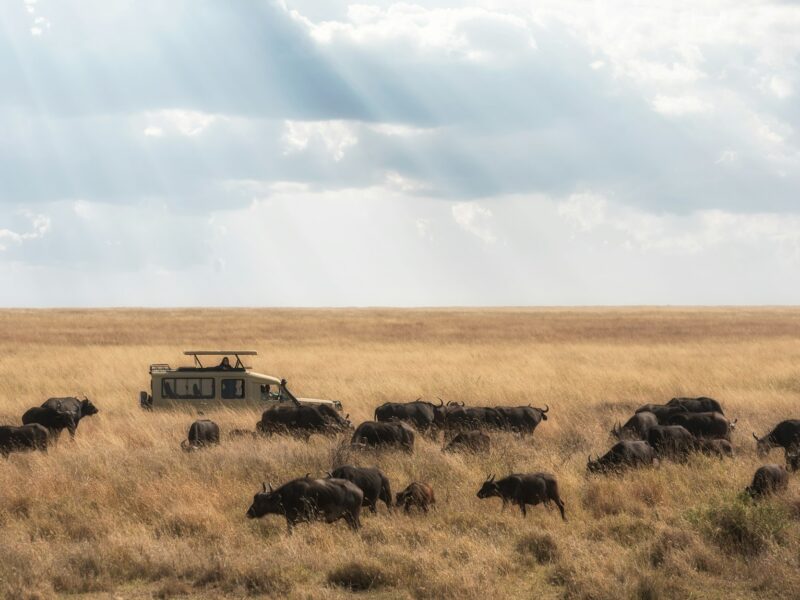
Since June 2019 Tanzania has banned plastic carrier bags. Travellers are asked not to bring them, and bags may be confiscated on arrival.
What to avoid
- Single-use plastic shopping bags
- Plastic bags for packing shoes or clothes
What is generally accepted
Clear zip-lock bags for liquids in hand luggage are widely used for airport security. Use them only for that purpose and take them home.
Better packing alternatives
- Cloth or mesh packing cubes
- Reusable shoe bags
- A refillable water bottle
Responsible travel tip
Bring your own reusable shopping bag for markets in Arusha and Stone Town.
What travellers report at the airport
Some visitors have been asked to remove plastic bags from their luggage on arrival. To avoid delays, pack without them from the start.
Alternatives that work well on safari
- Dry bags for electronics and camera gear
- Cloth pouches for chargers and cables
- Packing cubes for clothes
- Reusable silicone bags for snacks
Beyond plastic bags
Many lodges have eliminated single-use plastics, providing refillable bottles, glass straws and paper packaging. Supporting these efforts helps keep Tanzania’s parks clean.
Why it matters for wildlife
Plastic waste can be eaten by livestock and wild animals and pollutes rivers and the ocean, including Zanzibar’s coral reefs.
Responsible tips for Zanzibar
Avoid single-use plastics on the beach, take your rubbish with you and join beach clean-ups if offered.
The ban at a glance
| Item | Usual position | Our advice |
|---|---|---|
| Plastic carrier bags | Banned | Leave them at home |
| Duty-free shopping bags | May be removed on arrival | Unpack items into your bag before landing |
| Clear zip-lock bags for liquids | Generally tolerated for security | Use for toiletries only and take them home |
| Plastic bottles | Not covered by the carrier bag ban | Bring a refillable bottle instead |
| Rubbish bags in luggage | May be removed | Use a cloth laundry bag instead |
Duty-free shopping on the way
Many travellers are caught out by duty-free purchases made at a connecting airport. Items are often sealed in plastic carrier bags, and these may be removed when you land in Tanzania. To avoid problems, pack duty-free items into your hand luggage before your final flight, and dispose of the bag responsibly at the transit airport.
Zanzibar and the islands
Zanzibar introduced its own restrictions on plastic bags years before the mainland ban, and the same habits apply on the islands. Beaches and reefs are particularly vulnerable to plastic waste, and turtles can mistake floating bags for jellyfish. If you are planning a Zanzibar beach holiday, bring a cloth bag for market shopping in Stone Town and for carrying wet swimwear back from boat trips such as Safari Blue.
Packing a plastic-free safari bag
Light aircraft and safari vehicles both favour soft, organised luggage. These items do the job of plastic bags and last for years:
- Two or three lightweight packing cubes for clothes
- A cotton or nylon drawstring bag for laundry
- A small dry bag for passports, money and phone during boat trips
- A padded camera insert or soft camera bag
- A fabric wash bag for toiletries, with a clear zip-lock bag only for flight liquids
- A collapsible shopping tote for markets and curio shops
Our full Tanzania safari packing list covers clothes, gear and documents in more detail.
What happens at the airport
In practice, most travellers who accidentally arrive with plastic bags are simply asked to hand them over. Officials may inspect luggage, so it is easier to pack without plastic from the start rather than unpack in a busy arrival hall. Keep in mind that rules can be enforced more strictly at some times than others. Taking a moment before you leave home to remove bags from shoes, wash kits and electronics avoids any discussion.
Plastic-free habits that help the parks
The ban is one part of a wider effort. In the national parks, waste is supposed to leave the park with the people who brought it, and lunch boxes on game drives are increasingly packed in reusable containers. You can help by refilling your bottle from the large water containers carried in safari vehicles, refusing straws, and bringing any batteries home with you. Our guide to sustainable safari in Tanzania has more ideas, and our article on what to wear on safari helps you pack light.
Shopping in markets without plastic
In markets in Arusha, Moshi and Stone Town, vendors increasingly use paper, cloth or woven bags. Carrying your own foldable tote saves time and is often appreciated.
Why the ban exists
Plastic bags harm livestock, wildlife and marine life and block drains. The ban is part of a wider push to keep Tanzania’s parks, towns and beaches clean.
Packing checklist without plastic
- Packing cubes or cloth bags for clothes
- A washable bag for dirty laundry
- Reusable toiletry pouches
- A refillable bottle; most lodges provide filtered water
On safari
Lodges and camps work hard to reduce waste. Take any packaging you bring home with you, and never leave litter in the parks.
Planning a trip? Our Arusha team can put together a tailor-made, itemised quote, often the same day. Plan my safari or browse our private safari deals.
Further reading
Learn more from independent, authoritative sources: