Why Tarangire?
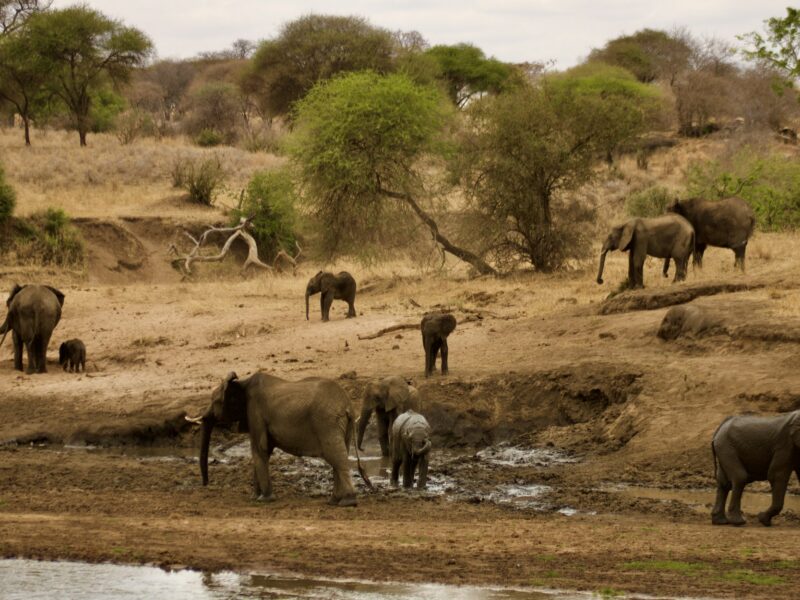
The Tarangire River keeps flowing through the dry season, drawing elephants from the wider ecosystem.
Best time
June to October.
Best areas
- The river circuit
- Silale Swamp
Behaviour to watch
- Digging for water in the riverbed
- Stripping baobab bark
- Dust bathing
Itineraries
Elephant families
Herds are led by a matriarch, the oldest female, who remembers water sources.
Best viewing tips
Stay quiet and let elephants approach the vehicle; turn off the engine.
Combining Tarangire
Tarangire combines easily with Lake Manyara and the Ngorongoro Crater.
Seasonal movements
In the wet season, elephants disperse into the wider landscape; they return as water dries up.
Where to stay
Lodges on the escarpment above the river offer elephant views from the terrace.
Tarangire facts
| Fact | Detail |
|---|---|
| Size | About 2,850 km² |
| Distance from Arusha | About 120 km |
| Best time | June–October |
| Famous for | Elephants, baobabs |
Other wildlife
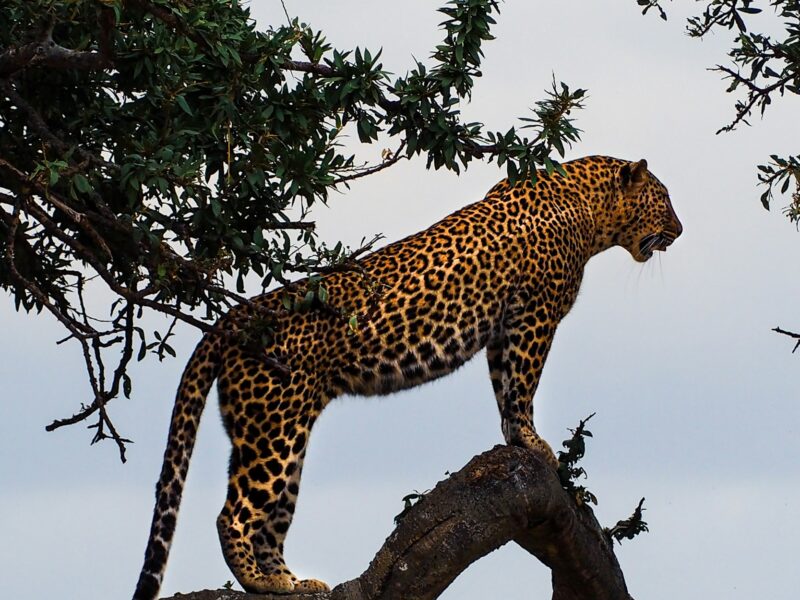
Lions, leopards, cheetahs, giraffes, zebras, wildebeest and over 500 bird species.
Photography tips
Use baobabs as backdrops and photograph elephants in golden light.
A day in Tarangire
Leave Arusha early and arrive as the park comes alive. Morning drives along the river reveal elephant families drinking and bathing. At midday, picnic at a viewpoint over the valley. In the afternoon, explore the Silale Swamp area for big herds and lions, returning to your lodge for sunset.
Elephant behaviour to look for
- Ear flapping to cool down
- Trunk touching and greetings
- Calves playing and suckling
- Mock charges, a warning to keep back
Elephant etiquette
Give elephants space, never come between a mother and calf, and turn off the engine for quiet viewing.
Beyond Tarangire
Elephants are also abundant in Ruaha, Nyerere and the Ngorongoro highlands.
Month by month in Tarangire
| Months | What to expect |
|---|---|
| June to July | Elephants begin to concentrate along the river as the bush dries |
| August to October | Peak dry season; large herds gather at the river and swamps |
| November to December | Short rains; herds begin to disperse beyond the park |
| January to March | Green landscapes, fewer elephants in the core area, good birdlife |
| April to May | Long rains; lush and quiet, elephants widely scattered |
Our Tarangire National Park guide gives a fuller overview of the park.
The wider landscape
Tarangire is the dry-season heart of a much larger ecosystem. In the rains, elephants, wildebeest and zebras move out onto community land and neighbouring areas, including Wildlife Management Areas where villages benefit from tourism and conservation. Keeping these corridors open is one of the main conservation challenges for the park. Staying in a camp in a community area is one way to support this work.
Understanding elephant society
Elephant families are closely bonded groups of related females and their young. Adult males usually leave their family group as they mature and live alone or in loose bachelor groups. You may see a bull in musth, a period of heightened hormones, recognisable by a dark secretion from the temporal glands on the side of the head and a strong smell. Bulls in musth can be unpredictable, so your guide will keep extra distance.
Elephants communicate with a range of sounds, including low rumbles that travel long distances. Sit quietly with your engine off and you may hear the deep vibrations of a family greeting.
Planning your time in Tarangire
A day trip from Arusha gives you a good introduction, but an overnight stay allows a sunset drive and a dawn drive, when elephants are often most active at the river. Some camps outside the park offer walking safaris and night drives, which are not generally permitted inside the national park. The Tarangire National Park day trip suits travellers short on time, while the 3 days Tarangire, Lake Manyara and Ngorongoro safari adds two neighbouring highlights.
Practical tips
- Tsetse flies are present in some wooded areas; wear neutral colours rather than dark blue or black
- Bring binoculars to scan herds on the far side of the river
- Pack a hat and sunscreen, as it can be hot in the middle of the day
- Ask for a picnic lunch so that you can stay in the park through the afternoon
- Keep cameras ready near the river, where elephants come to drink and cross
Where else to see elephants in Tanzania
Tarangire is one of the best places in the north, but elephants are found across the country. In the Serengeti, look in the northern and western woodlands. In the south, Ruaha National Park is known for large populations, and Nyerere offers the chance to watch elephants from a boat on the Rufiji River. Our Big Five safari in Tanzania guide shows how to combine elephants with the other headline animals.
Beyond elephants
Tarangire also has lions, leopards, giraffes, zebras, fringe-eared oryx and lesser kudu, along with excellent birdlife.
Where to stay
Lodges and tented camps along the river escarpment offer views over the elephants’ feeding grounds. Staying overnight allows sunset and sunrise game drives.
Photography
The baobabs make dramatic backdrops; low angles and wide lenses capture elephants with the trees.
Planning a trip? Our Arusha team can put together a tailor-made, itemised quote, often the same day. Plan my safari or browse our private safari deals.
Further reading
Learn more from independent, authoritative sources: