Travellers from Bangladesh, West Bengal and the large Bengali communities in London, New York, the Gulf and Malaysia sometimes ask us about a Tanzania safari with Bengali speaking guide. We want to answer that request carefully, because getting your expectations right matters more to us than a quick sale.
Bengali, or Bangla (বাংলা), is one of the most widely spoken languages in the world, but native Bengali-speaking safari guides are rare in Tanzania. Where a Bengali-fluent guide can be found, we arrange one on request and confirm them for your dates before you book.
The honest picture, and your options
Because this is an unusual request, we search for the best possible arrangement for each trip rather than relying on a standing team. The possibilities usually are:
- a safari guide with Bengali as a second language, if one is free for your dates;
- an English-speaking guide working with a professional Bengali interpreter who travels with you in the vehicle;
- written Bengali briefings or materials where possible, such as park rules and a daily outline.
We cannot promise which of these will be possible until we check your dates, and options narrow as those dates approach. If you contact us early, there is far more room to find the right person. If you are travelling soon, we will still try our best.
Who benefits most from Bengali commentary
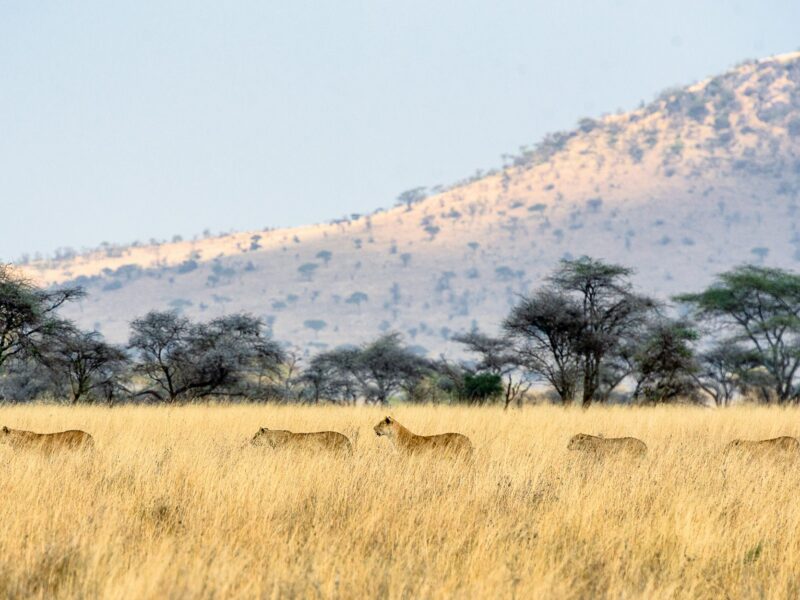
Many younger Bengali travellers are comfortable in English, so a standard English-speaking guide may suit them perfectly. The picture changes when parents or grandparents join, or when young children want to understand everything. A game drive is full of moments that deserve explanation: a lioness teaching cubs to stalk, a dung beetle rolling its ball across the track, a hippo yawning to show its tusks as a warning. When those moments are explained in Bangla, the whole family shares them.
Your guide or interpreter can also explain the customs of Maasai communities, the rules about staying in the vehicle and why some areas are closed to protect wildlife.
Meals and comfort
Lodges can usually provide halal or vegetarian meals on request. Let us know what your family eats, including any spice preferences or allergies, and we will check with each lodge before confirming. Comfortable, well-run lodges at a moderate level are a popular choice, and our mid-range lodge safaris page explains what to expect.
A sample route
A compact, rewarding option is our 3-day Tarangire, Ngorongoro and Lake Manyara safari. It begins in Tarangire National Park, famous for elephants, continues to Lake Manyara with its forest and birdlife, and ends in the Ngorongoro Crater. With more days, add the Serengeti for big cats and, in season, the migration. Nyerere and Ruaha in the south are calmer alternatives.
Every trip uses a private 4×4 with a pop-up roof, and your guide drives. If an interpreter joins, they sit with you and translate as the drive unfolds.
When to plan a Tanzania safari with Bengali speaking guide
June to October is the dry season and the most reliable time for game viewing. Calving takes place in January and February on the southern Serengeti plains around Ndutu. Eid and school holidays are popular travel times, so allow extra time to secure language support for those dates.
From Bangladesh and India, as for most international visitors, flights land at Kilimanjaro International Airport (JRO), Julius Nyerere International Airport (DAR) in Dar es Salaam or Zanzibar (ZNZ), usually connecting through a hub like Doha, Dubai, Addis Ababa or Nairobi.
Ready to start? Tell us your dates and language needs on our plan my safari page. If you are curious, read about the Bengali language and the Ngorongoro Conservation Area.
Your questions
More Language Guides
Prefer to plan in another language? See all our safari and Kilimanjaro guides by language, or browse: