Colours
Khaki, olive, beige and brown. Avoid dark blue and black in tsetse areas.
Layers
Cool mornings and warm afternoons.
Footwear
Comfortable closed shoes and sandals.
Accessories
Hat, sunglasses, scarf for dust.
See our packing list.
Laundry
Most lodges offer laundry; pack less.
Evening wear
Smart casual is fine at lodges.
Why neutral colours?
Bright colours and white stand out to animals and show dust quickly. Dark blue and black attract tsetse flies, which are present in parts of Tarangire, the Serengeti‘s woodland and some southern parks. Khaki, olive, sand and soft browns blend in, hide dust and keep you cooler.
A simple safari capsule wardrobe
| Item | Quantity (7–10 days) | Notes |
|---|---|---|
| Lightweight long-sleeve shirts | 2–3 | Sun and insect protection |
| T-shirts or blouses | 3–4 | Breathable fabrics |
| Trousers or zip-offs | 2 | Quick-drying |
| Shorts or skirt | 1 | For lodge time |
| Fleece or light down jacket | 1 | Essential for early mornings |
| Rain jacket | 1 | November to May |
| Comfortable shoes | 1 pair | Trainers or light hiking shoes |
| Sandals | 1 pair | For camp and Zanzibar |
| Hat and buff | 1 each | Sun and dust |
Dressing for temperature changes
Mornings on the Ngorongoro rim can be close to 5–10 °C at dawn, while afternoons in the Serengeti can reach 30 °C. Layers let you adapt as the day warms: start with a fleece and jacket, then strip down to a shirt by mid-morning.
What women often ask
Leggings and comfortable trousers are fine on game drives. A sports bra helps on bumpy roads. A light scarf is useful for dust and for covering shoulders in Stone Town.
What to avoid
- Camouflage clothing, which is associated with the military
- Heavy denim, which is hot and slow to dry
- Strong perfumes, which attract insects
- Expensive jewellery
Zanzibar wardrobe
Pack light cotton or linen clothing. In Stone Town and villages, cover shoulders and knees. Swimwear is for the beach and pool only.
Dressing by activity
| Activity | What to wear |
|---|---|
| Morning game drive | Fleece or light jacket, long trousers, scarf for dust |
| Midday at camp | Light shirt, shorts or skirt, sandals |
| Walking safari | Neutral long trousers, long sleeves, closed walking shoes |
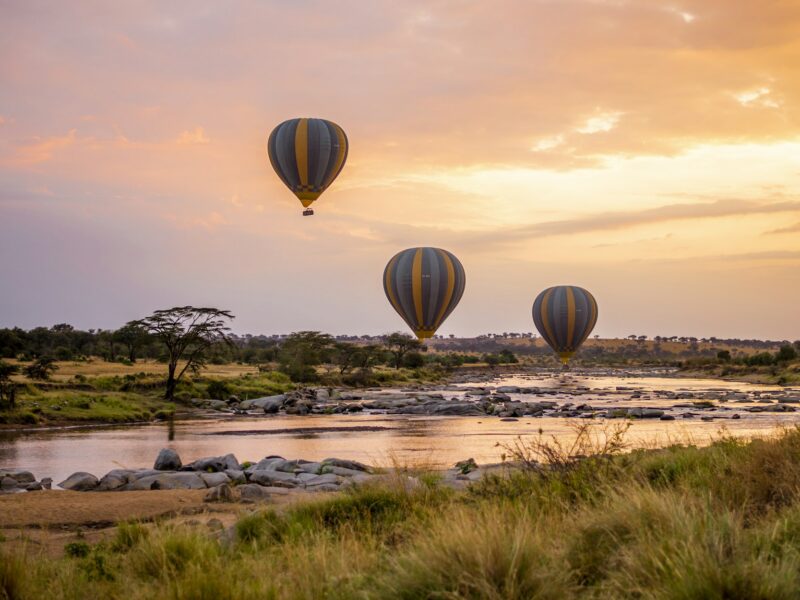
| Balloon flight | Warm layer, comfortable shoes, cap rather than a wide hat |
| Cultural visit | Modest clothing covering shoulders and knees |
| Evening at the lodge | Long sleeves and trousers to deter mosquitoes |
Walking safaris need the most care: avoid bright colours and noisy fabrics, and wear shoes you can walk in for several hours. Our walking safaris in Tanzania page explains what to expect.
Dressing by season
| Season | Temperatures and tips |
|---|---|
| June–October | Cool mornings and evenings, especially at Ngorongoro; pack a warm fleece |
| November–December | Warmer with short rains; add a light rain jacket |
| January–February | Hot days; breathable fabrics and sun protection matter most |
| March–May | Long rains; quick-drying clothes and a waterproof jacket |
See our Tanzania weather by month guide for regional detail.
Choosing fabrics
- Lightweight, quick-drying synthetics or blends, which wash and dry overnight
- Merino wool for base layers and socks, which resists odours over several days
- Linen or cotton for Zanzibar, where comfort in heat matters most
- Clothing treated with insect repellent, which adds protection in tsetse and mosquito areas
- A soft fleece rather than a bulky jumper, as it packs small
Children’s clothing
Children feel the cold on early drives more than adults expect, so pack a hooded fleece, a warm hat and long trousers even in summer. Bright colours are fine in the vehicle but best avoided on walks. Bring an extra set of clothes in the daypack for spills, and sun hats with a neck flap. Our safari with kids tips cover other essentials.
Laundry etiquette
Most lodges offer laundry, often for a modest fee or included. In Tanzania, many lodges do not wash underwear for cultural reasons and provide washing powder so you can rinse it yourself. Laundry may not be possible in rainy weather or on one-night stays, so time it for the start of a two-night stop.
Luggage limits and packing light
Light aircraft flights to the Serengeti and other parks usually limit luggage to around 15 kg per person in a soft bag, including hand luggage. Packing a small capsule wardrobe and using lodge laundry helps you stay within the limit. If you are on a fly-in safari, ask us for the exact allowance for your airline. The full Tanzania safari packing list covers everything beyond clothing.
Zanzibar clothing
Light, modest clothing for Stone Town; beachwear only at the beach.
Planning a trip? Our Arusha team can put together a tailor-made, itemised quote, often the same day. Plan my safari or browse our private safari deals.
Further reading
Learn more from independent, authoritative sources: