A 5 days Tanzania group joining safari is the shortest shared trip that reaches the Serengeti by road, giving you two nights on the famous plains alongside Tarangire and the Ngorongoro Crater. You share the vehicle and guide with a small group, which keeps the journey affordable while still covering the highlights of the north.
Five days is a sweet spot for many travellers: long enough to experience the scale of the Serengeti, short enough to fit between work commitments. Should you want the same route on your own schedule, it can run as a Tanzania private safari; our private safari guide explains how.
At a Glance
- Duration: 5 days, 4 nights
- Route: Arusha, Tarangire, Karatu, central Serengeti, Ngorongoro Crater, Arusha
- Best months: June to October and January to February
- Ideal for: solo travellers and friends wanting the Serengeti on a modest budget
- Pace: lively, including one long driving day with game viewing on the way
Day-by-Day Itinerary
Day 1: Arusha to Tarangire
Departing Arusha after breakfast, the group reaches Tarangire in roughly two to three hours. Your afternoon game drive follows the river valley, where elephants dig for water in the sandy bed during the dry season.
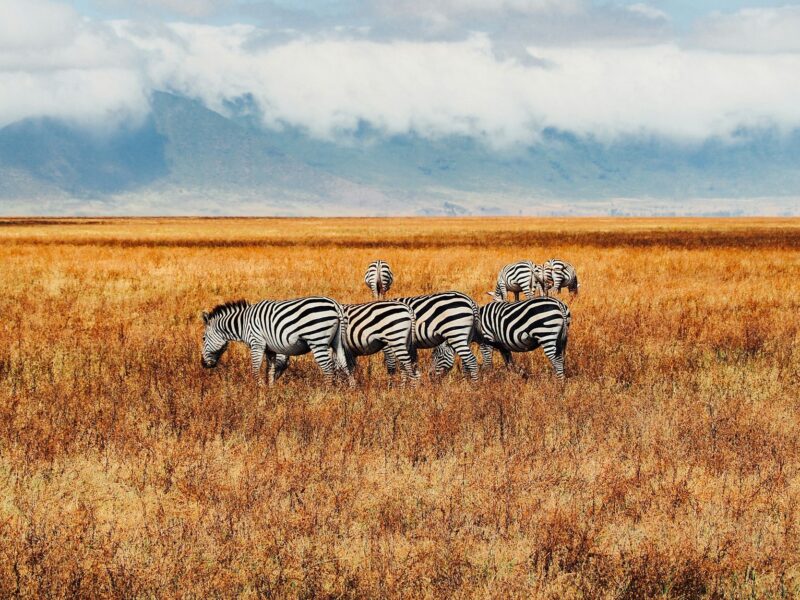
Zebra, wildebeest and buffalo are common here, and the baobabs make dramatic photographs at sunset. Overnight: simple lodge or campsite in the Karatu area.
Day 2: Karatu to Central Serengeti
This is a long but rewarding day. You pass through the Ngorongoro highlands, drop down past Maasai villages and cross the short-grass plains to the Serengeti gate at Naabi Hill.
Game viewing continues all the way to the central Seronera area, where the guide looks for big cats on rocky kopjes and along the river. Overnight: public campsite or simple camp in the central Serengeti.
Day 3: Full Day in the Serengeti
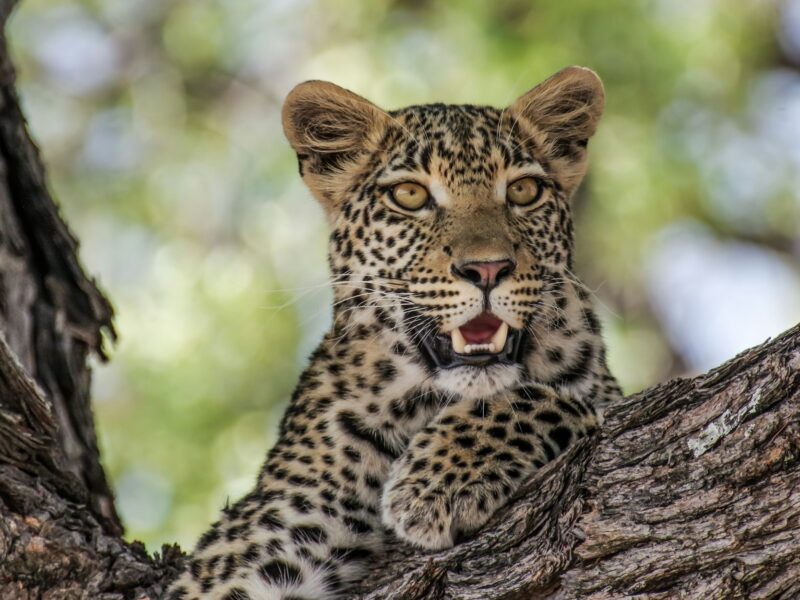
A dawn drive gives you the best chance of finding lions on the move and cheetahs scanning the grass. The Seronera valley is known for resident leopards, though these elusive cats are never easy to spot.
Depending on the month, the wildebeest herds may be nearby or many miles away, so your guide plans the route around recent reports. Overnight: same Serengeti campsite or simple camp.
Day 4: Serengeti to Ngorongoro
After a final morning on the plains, you head back east, often watching hyenas, gazelles and ostriches on the way. The road climbs to the crater rim, where evening temperatures drop sharply.
Overnight: campsite on the rim or simple lodge in Karatu, depending on the departure.
Day 5: Ngorongoro Crater and Return
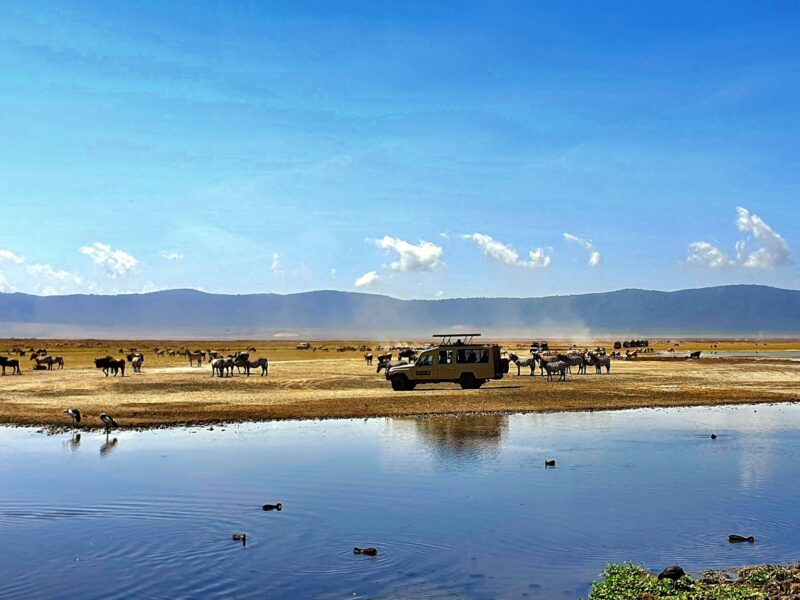
Descending into the crater early, you spend the morning among buffalo herds, flamingos at the soda lake and hippos in the pools. Black rhino live here, though they are often seen only at a distance.
The group climbs out after lunch and returns to Arusha by late afternoon. Overnight: own arrangements.
Included and Not Included
Usually included in our quoted packages:
- Window seat in a shared safari vehicle and a professional guide
- Park, crater and campsite fees
- Full board on safari and drinking water
- Four nights at campsites or simple lodges
Usually not included:
- International flights and visas
- Tips and drinks
- Travel insurance and personal spending
Sharing the Serengeti: What to Expect
Long drives across the plains are part of the adventure, and a good group spirit makes them pass quickly. Seats are shared fairly, everyone has a window, and the guide stops whenever someone spots something interesting. If you are new to camping, our safari packing list helps you prepare.
Packing light really matters on this route because the vehicle carries everyone’s bags as well as camping kit. Solo travellers should mention it when booking so we can arrange sharing or a single tent.
Remember that a shared trip runs to an agreed timetable, so lingering for hours at one sighting is rarely possible. Travellers who want that freedom often choose a private vehicle instead, while those happy to compromise enjoy the company and lower costs. Our small group joining safaris page compares both styles.
When to Travel and Who Will Enjoy It
The dry season from June to October offers great visibility, and in January and February the southern plains can be busy with calving herds, though the exact position of the migration changes every year. During the long rains, roads can be slow and fewer groups depart.
It suits travellers who want the Serengeti without the length of a full week. Step down to the 4 days group joining safari or up to the 6 days group joining safari, and see all options on our group joining safari hub.
Before you travel, look at the park pages on Tanzania National Parks and the Ngorongoro Conservation Area website.
Join a Departure
Send your dates via our plan my safari page and we will confirm which five-day groups have space.