The Serengeti (Tanzania) and the Maasai Mara (Kenya) are connected, and the migration moves between them. Yet the experience differs.
Size and space
The Serengeti covers about 14,750 km², many times larger than the Maasai Mara National Reserve. More space usually means fewer vehicles at sightings.
Migration timing
| Months | Serengeti | Maasai Mara |
|---|---|---|
| Dec–Mar | Calving in the south | No migration |
| Apr–Jun | Central and western Serengeti | No migration |
| Jul–Oct | Northern Serengeti crossings | Mara crossings |
| Nov | Herds heading south | Herds leaving |
River crossings
Both sides of the Mara River offer crossings; the northern Serengeti often has fewer vehicles.
Our verdict
For year-round wildlife and more space, choose the Serengeti. See our Serengeti guide.
Landscapes
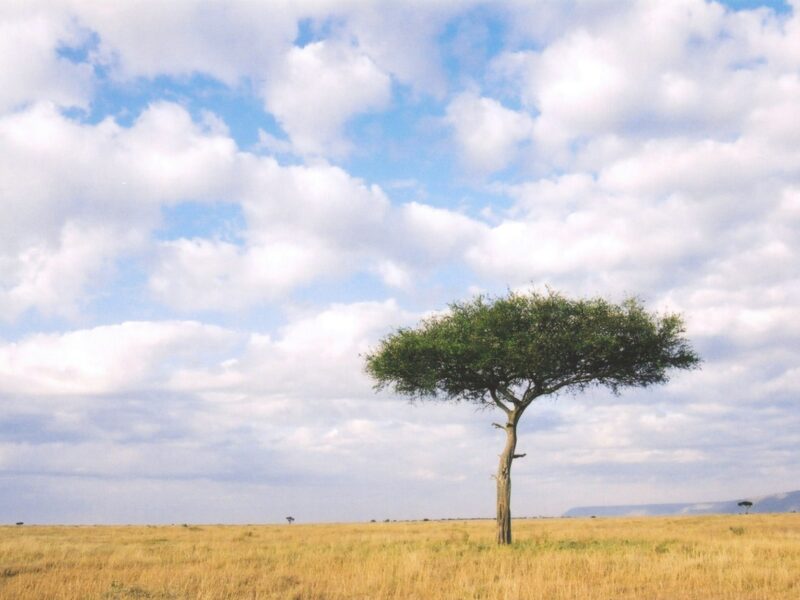
The Serengeti has endless plains, kopjes and woodland. The Mara has rolling grassland and riverine forest.
Accommodation
Both offer camps for every budget. The Serengeti’s size means more remote options.
Off-road driving
Generally not allowed in either national park/reserve; conservancies in Kenya and Ndutu in Tanzania have different rules.
Combining both
Possible via border crossings or flights, though logistics add time.
The best of both worlds
Visit the northern Serengeti in August for crossings with fewer vehicles, then fly to Zanzibar for the beach.
Wildlife beyond the migration
The Serengeti’s resident wildlife includes large lion populations, leopards in Seronera and cheetahs on the southern plains. The Mara is also excellent for big cats.
Getting there
Serengeti: via Arusha or Kilimanjaro, by road or air. Mara: via Nairobi, by road or air.
Our recommendation
Choose the Serengeti for space, the full migration cycle and easy combinations with the Ngorongoro Crater and Zanzibar.
Quick verdict table
| If you want… | Choose |
|---|---|
| Space and fewer vehicles | Serengeti |
| Calving season | Serengeti |
| Short trip from Nairobi | Mara |
The ecosystem in numbers
The Maasai Mara National Reserve covers roughly 1,500 km², with community conservancies adding further land around it. The Serengeti National Park covers around 14,750 km², and the wider Serengeti ecosystem includes the Ngorongoro Conservation Area, Maswa and Grumeti reserves and Loliondo. In other words, most of the ecosystem, and most of the migration’s annual journey, lies in Tanzania.
The northern Serengeti in the crossing season
The northern Serengeti faces the Maasai Mara across the border. Here the Mara River winds through open plains and riverine woodland, and the herds typically arrive from around July. Areas such as Kogatende and the Lamai Triangle are known for crossing points. Fewer camps and a more remote location mean that, at many crossings, you share the scene with fewer vehicles than on the busiest stretches of the Kenyan side. Reaching the north usually involves a light-aircraft flight or a long drive, which is part of what keeps it quieter.
Our 6 days private northern Serengeti safari is built around this area.
When the Serengeti clearly wins
| Months | Serengeti highlight | Why the Mara is less suitable |
|---|---|---|
| January to March | Calving on the southern plains | The herds are far to the south in Tanzania |
| April to June | Large herds in the central and western Serengeti, the rut | The migration has not yet arrived |
| November to December | Herds returning south through the eastern Serengeti | The herds have usually left Kenya |
When the Mara is a sensible choice
The Mara is close to Nairobi, so it suits travellers on a short stopover in Kenya, especially between July and October. Its private conservancies offer experiences such as walking and night drives with limits on vehicle numbers. If you are already in Kenya on business or visiting family, a short Mara trip can be very rewarding.
Combining with other highlights
The Serengeti’s big advantage is how naturally it combines with Tanzania’s other headline destinations. On the way in or out, you pass the Ngorongoro Crater, one of the best places in East Africa to see black rhino. Many guests also include Tarangire National Park for its elephants and then fly to the coast. The 4 days Serengeti and Ngorongoro Crater safari is a popular short option.
Areas within the Serengeti worth knowing
- Seronera: the central valley, with year-round water and excellent big cats
- Ndutu and the southern plains: calving season and cheetahs
- Western Corridor: the Grumeti River, large crocodiles and woodland
- Eastern Serengeti: open plains and kopjes, quieter roads
- Northern Serengeti: the Mara River and dramatic crossings
Which suits a short trip best?
If you only have three or four days, think about where you are starting from. From Arusha or Kilimanjaro, a short flight puts you in the Serengeti in a couple of hours, and you can drive out via the Ngorongoro Crater. From Nairobi, the Mara is the natural choice. Trying to visit both on a very short trip usually means spending more time travelling than watching wildlife. With a week or more, a carefully planned combination becomes realistic, and our team can advise on the most efficient route for your dates.
Planning a trip? Our Arusha team can put together a tailor-made, itemised quote, often the same day. Plan my safari or browse our private safari deals.
Further reading
Learn more from independent, authoritative sources: