Comparison
| Nyerere | Ruaha | |
|---|---|---|
| Signature activity | Boat safaris | Big predators |
| Access | 45–60 min flight from Dar or Zanzibar | About 2 hours by air |
| Highlights | Rufiji River, wild dogs | Lion prides, kudu |
| Best for | Short trips, Zanzibar add-ons | Experienced safari-goers |
Combine both
Our 12 days southern safari includes both.
Accommodation
Both parks have small, intimate camps, often all-inclusive.
Seasonality
Both are best from June to October; some camps close in April and May.
Who should visit
Repeat safari-goers, walkers and those seeking solitude.
Activities compared
| Activity | Nyerere | Ruaha |
|---|---|---|
| Game drives | Yes | Yes |
| Boat safaris | Yes | No |
| Walking | Yes | Yes |
| Fly-camping | Some camps | Some camps |
Wildlife compared
Nyerere: wild dogs, hippos, crocodiles, birds. Ruaha: lions, kudu, sable, elephants.
Access and cost
Nyerere is closer to Dar es Salaam and Zanzibar, which keeps flight costs lower. Ruaha requires a longer flight but rewards with remoteness.
Atmosphere
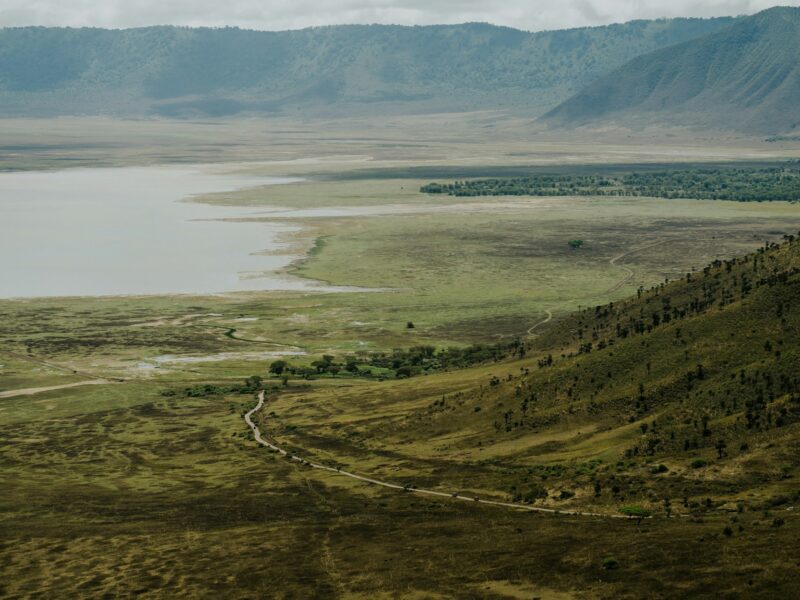
Nyerere feels watery and lush around its lakes and river. Ruaha feels rugged and dry, with baobabs and rocky hills.
Sample combinations
- 3 days Nyerere from Zanzibar
- 5 days Ruaha from Dar es Salaam
- 7–10 days Nyerere and Ruaha together
Our recommendation
If you have time for only one, choose Nyerere for variety of activities, or Ruaha for predators and wilderness.
When to visit
June to October for both parks.
The two parks in context
Nyerere and Ruaha are the giants of southern Tanzania. Nyerere was created in 2019 from the northern part of the Selous Game Reserve, a UNESCO World Heritage Site since 1982, and covers roughly 30,000 km². Ruaha is around 20,000 km², which makes it one of the largest national parks in Tanzania. Both feel far emptier than the northern circuit, simply because far fewer vehicles share the space.
The Rufiji River system shapes Nyerere, with its oxbow lakes, sandbanks and palm-fringed channels. The Great Ruaha River is the lifeline of Ruaha, and in the dry season it shrinks to pools and sand that pull wildlife towards it from the surrounding miombo woodland and rocky hills.
Month-by-month guide
| Months | Nyerere | Ruaha |
|---|---|---|
| June–October | Dry, excellent game viewing, boat safaris at their best | Peak predator action along the river |
| November–December | Short rains, green and hot, good birding | Hot, first rains, still productive |
| January–February | Warm and humid, quieter camps | Lush, calving and migrant birds |
| March–May | Long rains, some camps close | Long rains, some camps close |
Because both parks sit at lower altitude than the north, expect hotter days. October can be very hot in Ruaha, which concentrates animals at water but makes midday drives tiring.
A typical day in each park
In Nyerere, you might start with an early game drive past baobabs and palms, return for brunch, then spend the late afternoon on a boat on Lake Tagalala or the Rufiji, drifting past hippo pods, crocodiles and bee-eater colonies as the sun drops. A guided walk with an armed ranger is often offered in the morning instead of a drive.
In Ruaha, days usually revolve around long drives along the sand rivers, where lion prides rest in the shade and elephants dig for water. Your guide will scan the kopjes for leopard and the woodland edges for greater and lesser kudu, roan and sable antelope. Picnic breakfasts in the bush are common because the best areas can be some distance from camp.
Combining with other trips
Southern parks connect easily by light aircraft, so they pair neatly with the north or the coast:
- Nyerere after a beach stay, using the 3 days Nyerere safari from Zanzibar
- Ruaha as a focused predator trip on the 5 days Ruaha safari
- Both southern parks plus the Serengeti on the 10 days private north and south safari
- Mafia Island for whale sharks or diving after Nyerere
If you only have a single day, the Nyerere day trip from Zanzibar gives a taste, but two or three nights let you enjoy both a boat safari and proper game drives.
Planning tips from our team
- Fly rather than drive: road access to both parks is long and slow, especially in the rains.
- Allow at least three nights in Ruaha; distances inside the park are large.
- Ask about walking and fly-camping options when booking, as they are limited by camp.
- Pack neutral colours; tsetse flies are present in parts of both parks and are drawn to dark blue and black.
- Talk to a travel doctor about malaria prevention, as both parks are low-lying and warm.
For deeper detail on each destination, see our guides to Nyerere National Park and Ruaha National Park.
Nyerere in depth
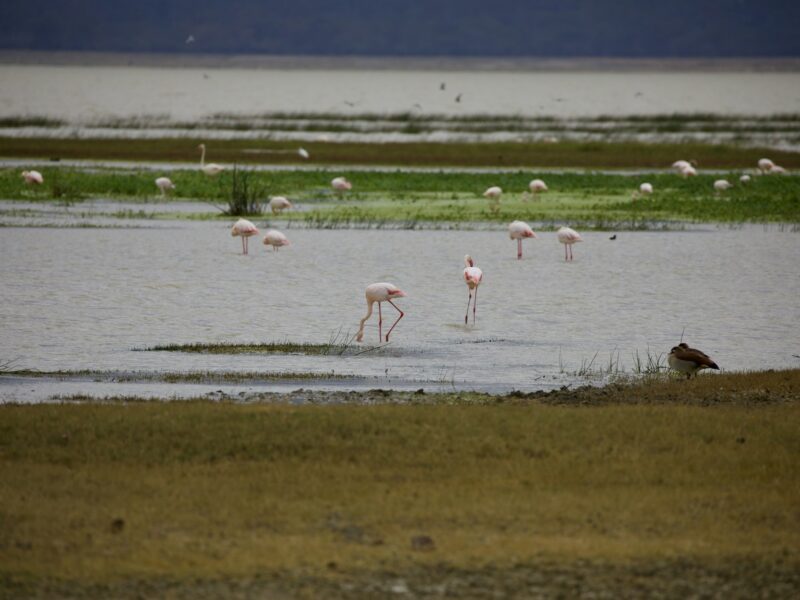
Nyerere’s lakes and channels attract hippos, crocodiles and a huge variety of birds. Boat safaris are the highlight, alongside game drives and walks.
Ruaha in depth
Ruaha’s dramatic landscape of baobabs and sand rivers supports large predator populations and antelope rarely seen in the north.
Which first?
For a short trip from Zanzibar, Nyerere. For a deeper wilderness experience, Ruaha. With a week, do both.
Planning a trip? Our Arusha team can put together a tailor-made, itemised quote, often the same day. Plan my safari or browse our private safari deals.
Further reading
Learn more from independent, authoritative sources: