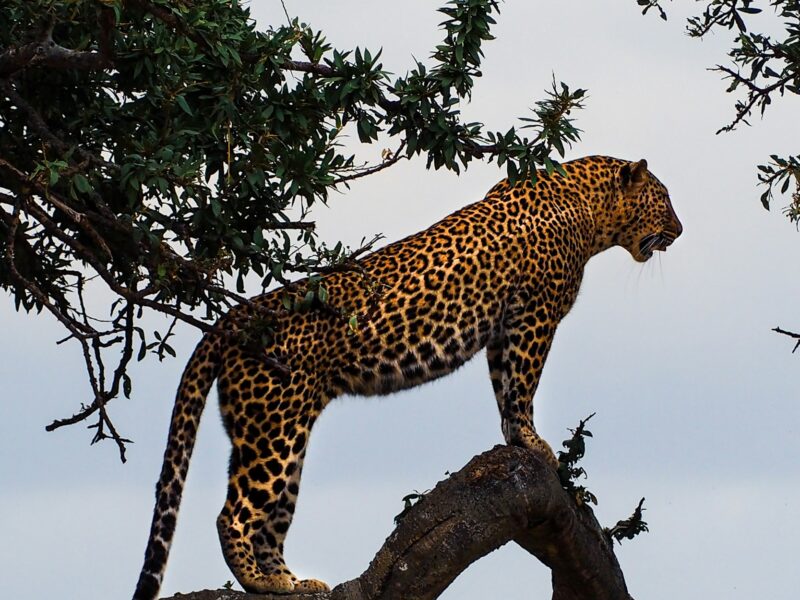
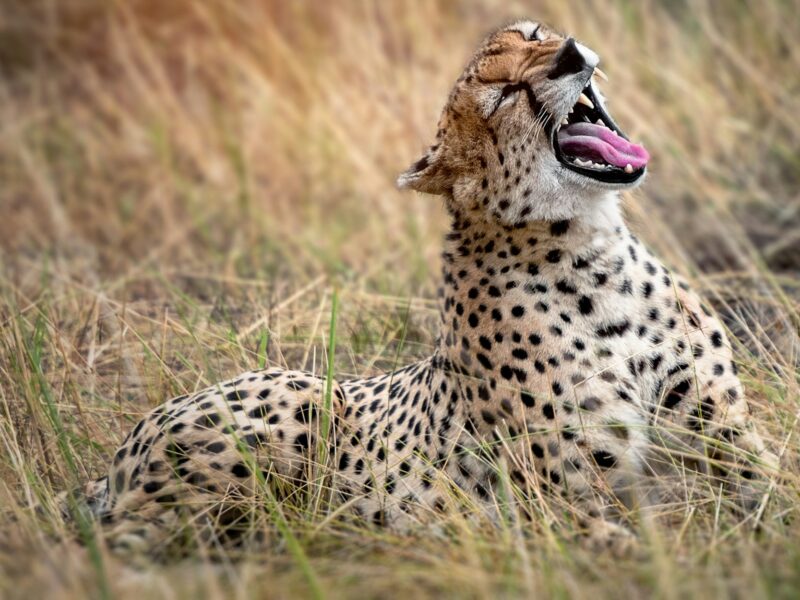
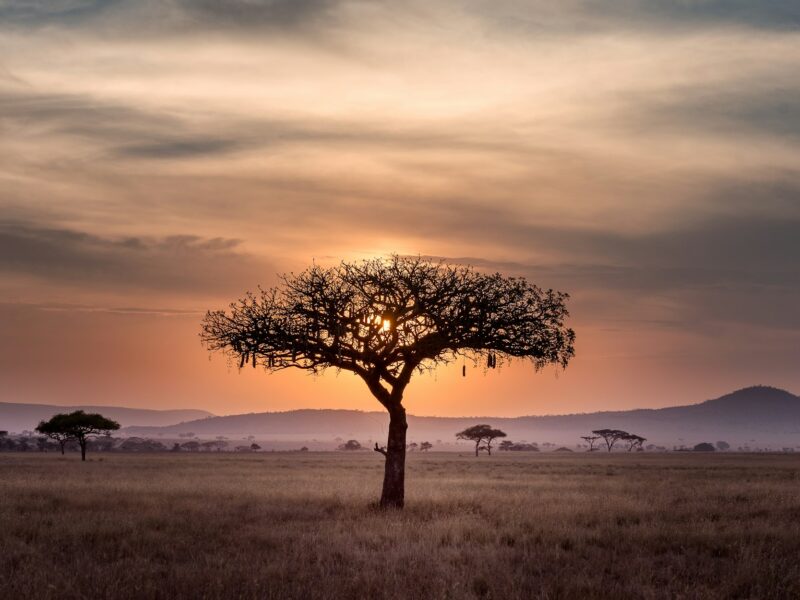
The long dry season, roughly June to October, is when many people picture an African safari: golden grass, animals gathered at shrinking waterholes and the chance of dramatic river crossings in the northern Serengeti. A peak season Tanzania private safari makes the most of these conditions, giving you your own 4×4 with a pop-up roof and a driver-guide who knows how to sidestep the busiest spots.
Peak months reward early planning, because the best-located camps are in high demand. This page explains why the dry season is so popular, how to avoid crowds, which parks shine, how far ahead to book and what a well-paced eight-day route can look like.
Why the Dry Season Is So Popular
As water sources dry up, animals concentrate along rivers and around permanent pools, making them easier to find. Vegetation thins, improving sightlines, and the roads are generally in good condition. Skies are often clear, and mornings and evenings can be cool, particularly in the highlands around Ngorongoro.
In the northern Serengeti, the migrating herds are often present in these months, and crossings of the Mara River can occur, although the timing is never predictable.
Getting Ahead of the Crowds on a Peak Season Tanzania Private Safari
Popular areas can attract many vehicles in high season. A private itinerary gives you tools to manage this:
- Leave camp at first light, before most vehicles are on the move
- Take a packed breakfast and lunch to stay out while others return to camp
- Explore lesser-visited sectors of large parks rather than the obvious hotspots
- Choose camps in quieter concessions or remote corners
- Balance famous parks with less-visited ones in the south
Your guide decides in real time when a sighting has become too busy and when it is worth staying.
Parks That Shine in Peak Season
| Park | Dry-season highlight | Why it suits a private trip |
|---|---|---|
| Tarangire | Large elephant herds along the river | Flexible timing around river access points |
| Serengeti (north) | Possible Mara River crossings | Waiting at crossings needs patience and freedom |
| Ngorongoro Crater | Dense wildlife on the crater floor | Early descent beats the busiest hours |
| Ruaha | Big predators and wild landscapes | Remote, with fewer visitors |
| Nyerere | Boat safaris and walking options | Varied activities planned around you |
Our Tarangire National Park guide and Ruaha National Park guide explain each in more detail. You can also read the Ruaha National Park encyclopaedia entry.
The Case for the South
Southern parks receive far fewer visitors than the northern circuit, so the dry season there feels unhurried. Ruaha is known for big cats and large elephant populations, while Nyerere offers boat trips on the Rufiji River alongside game drives. Combining north and south in one trip uses internal flights to cover the distance. See our southern Tanzania private safari page for more.
A few days in Ruaha or Nyerere after the Serengeti adds real contrast: baobab-studded hills, wide sand rivers and a strong sense of remoteness. It also spreads your time across ecosystems, so a busy morning at a northern crossing can be balanced by quiet evenings in the south.
How Far Ahead to Book
Demand for top camps, particularly near the northern crossings, can be high, and the best-located rooms are often reserved well in advance. If you have firm dates in July, August or September, starting your enquiry several months ahead gives the widest choice. Shorter-notice trips can still work, often with a more flexible approach to camp choices.
Park fees are set by the authorities and can change; current information appears on the official Tanzania National Parks website.
Sample Eight-Day Peak Season Itinerary
- Day 1: Arrive at Kilimanjaro and transfer to Arusha.
- Day 2: Tarangire, focusing on elephants along the river.
- Day 3: Lake Manyara or a cultural visit, then on to the Karatu highlands.
- Day 4: Early descent into Ngorongoro Crater, followed by the drive into the Serengeti.
- Day 5: Central Serengeti for big cats.
- Day 6: Fly or drive north towards the Mara River.
- Day 7: A full day at the river, waiting for herds to gather.
- Day 8: Fly back to Arusha for your connection.
Our eight-day private safari page offers more detail, and the private safari packages collection shows other ways to structure your trip.
Lodge Levels in High Season
In budget lodges and camps, rooms are simple but clean, often outside the park gates. Mid-range tented camps sit inside or near the parks, with en-suite tents and good food. Luxury properties occupy prime locations with spacious rooms and attentive service. In high season, the best locations within each level are the first to go. Ask about location as much as comfort, because a well-placed simple camp can offer better game viewing than a grand lodge a long drive from the action.
Secure Your Dry-Season Dates
Share your dates, group size and preferred lodge level, and we will check availability across the parks. Request a free tailor-made quote, or visit our main Tanzania private safari page.