A southern Tanzania private safari takes you away from the well-known northern circuit to two of the country’s wildest parks: Nyerere and Ruaha. Here the landscapes are big, the visitor numbers are lower and the safari often includes activities beyond the game drive, such as boat trips and guided walks. With your own vehicle and driver-guide, or a private guide arranged through your camp, the days are shaped entirely around your interests.
The south suits travellers who have already seen the north, those who want a quieter experience, and anyone starting or ending a trip in Dar es Salaam or Zanzibar. This page introduces both parks, compares north and south, explains how to reach them and suggests a sample outline.
Why Choose a Southern Tanzania Private Safari
The main draw is a sense of remoteness. Camps are fewer and further apart, so sightings are less likely to be shared with many other vehicles. The variety of activities, especially on the water in Nyerere, adds texture to each day. And because the parks are reached easily from the coast, a southern trip pairs naturally with a beach stay.
Nyerere National Park
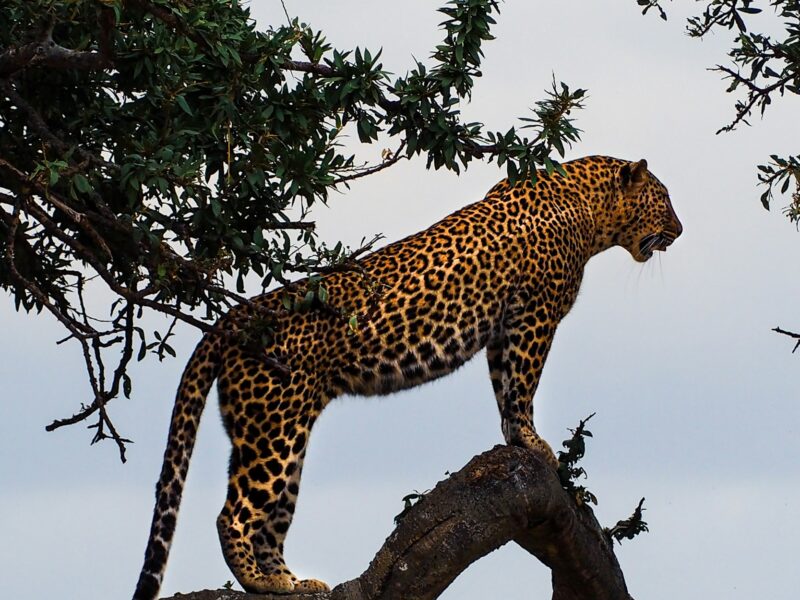
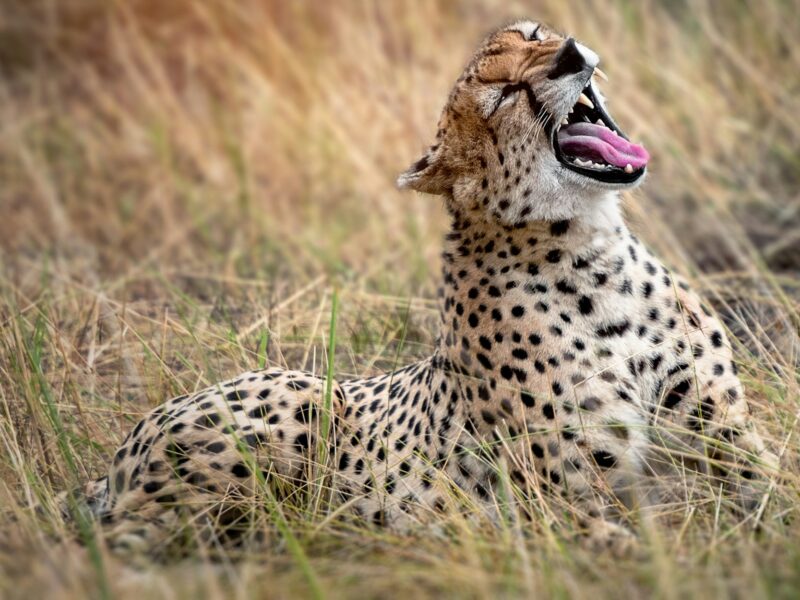
Nyerere National Park is defined by the Rufiji River and its network of lakes and channels. Boat safaris let you drift past hippos, crocodiles and a wealth of birds, while game drives on land may reveal elephant, buffalo, giraffe, lion and, with luck, African wild dog. Guided walks are offered at some camps, giving a closer look at tracks, plants and smaller creatures. Read more in our Nyerere National Park guide.
Ruaha National Park
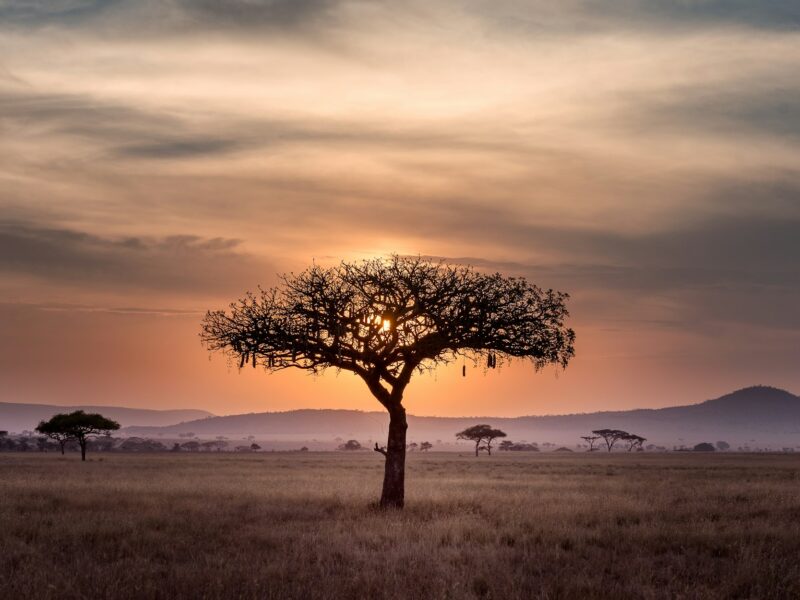
Ruaha National Park is larger and more rugged, with rocky hills, baobab-studded plains and the Great Ruaha River. It is known for large elephant populations and strong predator numbers, and its location means you may see species such as greater kudu that are less common in the north. Ruaha feels remote even by southern standards. Its scale means game drives can cover very different habitats in a single day, from riverine woodland to open grassland and rocky outcrops, and sightings often feel unhurried because so few vehicles are around. Our Ruaha National Park page covers it in more depth.
North or South: How They Compare
| Feature | Northern circuit | Southern parks |
|---|---|---|
| Main parks | Tarangire, Lake Manyara, Ngorongoro Crater, Serengeti | Nyerere and Ruaha |
| Usual access | Road from Arusha, with optional flights | Light aircraft from Dar es Salaam or Zanzibar; road to Nyerere is possible |
| Visitor numbers | Busier in popular areas | Generally quieter |
| Activities | Mainly game drives, plus balloon flights | Game drives, boat safaris, guided walks |
| Signature sights | Great Migration, crater wildlife | River life, big elephant herds, remote wilderness |
Getting There and a Sample Outline
Most travellers fly into DAR or ZNZ and take a light-aircraft flight to an airstrip in Nyerere or Ruaha. Road transfers to Nyerere from Dar es Salaam are also possible for those who prefer to drive. Our private safari from Dar es Salaam and private safari from Zanzibar pages explain the options from each gateway.
A typical outline might look like this:
- Day 1: Fly from Dar es Salaam or Zanzibar to Nyerere; afternoon boat safari on the river.
- Day 2: Morning game drive, afternoon guided walk where available.
- Day 3: Full day exploring the lakes and woodlands.
- Day 4: Fly to Ruaha; evening game drive.
- Day 5 and 6: Full days in Ruaha, following elephants and predators along the river.
- Day 7: Fly back to Dar es Salaam or Zanzibar for onward travel or a beach extension.
For a longer version, see the twelve-day southern Tanzania safari.
When to Go
The long dry season, roughly June to October, is the classic time for the south, as animals gather near water and the bush thins out. The short rains arrive around November. During the long rains, roughly April to May, many southern camps close entirely, and those that stay open often offer lower rates. Our walking safaris page explains why the dry months also suit time on foot.
Accommodation in the south is mostly in tented camps and lodges, many of them small and set along rivers or lakes. Levels range from comfortable mid-range camps to exclusive luxury properties, while simpler options are fewer than in the north. Because many camps include activities such as boat trips and walks, the daily routine can feel varied and relaxed. Light aircraft have strict luggage limits, usually requiring soft bags, so pack accordingly. We will confirm the current allowance with your booking.
Plan Your Southern Safari
Tell us when you can travel and whether you would like to combine the south with the north or with a beach holiday. We will suggest the right parks, camps and flights for your dates. Explore the wider Tanzania private safari style, then ask for a free southern safari quote.