The 2027 Africa Cup of Nations is set to be co-hosted by Tanzania, Kenya and Uganda, bringing thousands of football fans to East Africa. If you are travelling for the tournament, a safari is the obvious add-on.
Where matches are expected
Host cities and stadiums are confirmed by the organisers; Dar es Salaam is expected to be a key Tanzanian venue. Check the official schedule as it is announced.
Safari ideas around match days
- Between matches in Dar es Salaam: fly to Nyerere or take a 2-day Mikumi safari
- Several free days: fly to Arusha for a 3-day Serengeti fly-in
- After the tournament: a 7 days safari and Zanzibar
Booking tips for tournament travel
- Book accommodation and flights early; demand will be high
- Keep safari dates flexible around knockout rounds
- Consider southern parks for short trips from Dar es Salaam
- Remember the mainland and Zanzibar insurance requirements
Why combine football with a safari?
Tournaments bring fans thousands of kilometres. East Africa offers some of the world’s best wildlife within a few hours of the host cities, so adding even two or three days turns a football trip into a once-in-a-lifetime journey.
Short safaris from Dar es Salaam
- Nyerere National Park: under an hour by air, boat safaris on the Rufiji River
- Mikumi National Park: by road or SGR train and road
- Zanzibar: by fast ferry or short flight for beaches between matches
Longer combinations
- Northern circuit: fly from Dar es Salaam to Arusha or Kilimanjaro for the Serengeti and Ngorongoro
- Kilimanjaro: climb after the tournament
- Cross-border: combine with Kenya’s Maasai Mara or Uganda’s gorillas (separate permits and visas)
Practical tips for tournament travel
- Book flights and hotels as soon as the schedule is confirmed
- Expect higher demand in host cities
- Keep extra days flexible for knockout rounds
- Check visa requirements for each host country
- Buy comprehensive insurance and the mandatory government policy
Group bookings
Supporters’ clubs and groups of friends can share a vehicle, reducing the cost of safaris. Ask us for group rates.
Planning around a tournament schedule
Tournament travel has a rhythm of its own. You know your group-stage dates in advance, but the knockout rounds depend on results. The trick is to fix safari days where you are certain of your plans and keep the rest flexible.
- Lock in safari days immediately before the opening match or after your team’s last guaranteed fixture
- Choose short safaris close to the host city for the days between group matches
- Keep refundable or flexible accommodation for the knockout window
- Allow a buffer day before any international flight, as match-day traffic can be heavy
Visas when crossing between host countries
If you plan to follow matches in more than one country, check each country’s entry rules separately. Tanzania issues its own visa, usually through the e-visa system explained in our Tanzania visa and entry requirements guide. Kenya currently uses an electronic travel authorisation system, and Uganda has its own e-visa. The East African Tourist Visa covers Kenya, Uganda and Rwanda but does not include Tanzania, so you will need a separate Tanzanian visa whatever you choose.
Sample plans for football fans
| Time available | Suggested plan | Getting there |
|---|---|---|
| One free day | Day trip to Mikumi National Park (long day) or Zanzibar’s Stone Town | Road, or fast ferry from Dar es Salaam |
| Two to three days | Nyerere boat and game drives or a short Mikumi safari | Short flight, or train and road |
| Four to five days | Fly north for the Serengeti and Ngorongoro Crater | Flight from Dar es Salaam to Arusha or Kilimanjaro |
| A week or more after the final | A full safari and beach combination | Mix of road and light aircraft |
For the most efficient short break from Dar es Salaam, Nyerere National Park is hard to beat: a short flight puts you on the banks of the Rufiji River, where boat safaris bring you close to hippos, crocodiles and birdlife.
What to expect from the season
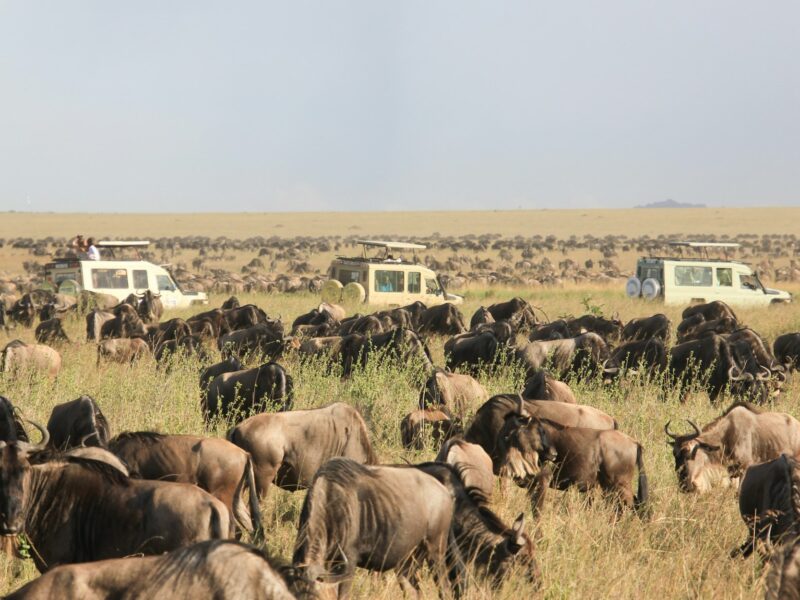
Safari conditions depend on when the tournament is finally played, so check the confirmed dates before you plan. If matches take place in the middle of the year, you would be visiting in the dry season, typically June to October, when vegetation thins out and animals gather near water. That is excellent for game viewing in most parks, and in the northern Serengeti the herds usually arrive from around July. If the tournament falls at another time of year, our best time to visit Tanzania guide explains what to expect in each month.
Travelling as a supporters’ group
Groups of four to six friends are ideal for a private safari vehicle, which keeps the cost per person down and lets you choose your own timings. Larger groups can travel in several vehicles with the same itinerary, meeting at camp each evening. Tell us early if you would like to watch a particular match while on safari: many lodges have a television or a strong enough connection to stream, but in remote camps this cannot be guaranteed.
Staying safe and comfortable in host cities
Host cities will be lively and busy. Use registered taxis or ride-hailing apps, keep valuables out of sight in crowds and carry a copy of your passport rather than the original when heading to the stadium. Our guide to whether Tanzania is safe for tourists covers practical tips for cities and safaris alike.
Planning a trip? Our Arusha team can put together a tailor-made, itemised quote, often the same day. Plan my safari or browse our private safari deals.
Further reading
Learn more from independent, authoritative sources: