Internet
Mobile data is widely available; many hotels offer Wi-Fi. Bring a backup SIM.
Best areas
Paje and Jambiani have a relaxed community; Stone Town for city life.
Visa and insurance
Check visa rules for longer stays and the Zanzibar insurance requirement.
Tips
- Choose accommodation with reliable power and Wi-Fi
- Respect local customs
Community
Remote workers meet through coworking spaces and community events.
Balance
Plan weekends for excursions such as Safari Blue or a safari.
Why Zanzibar appeals to remote workers
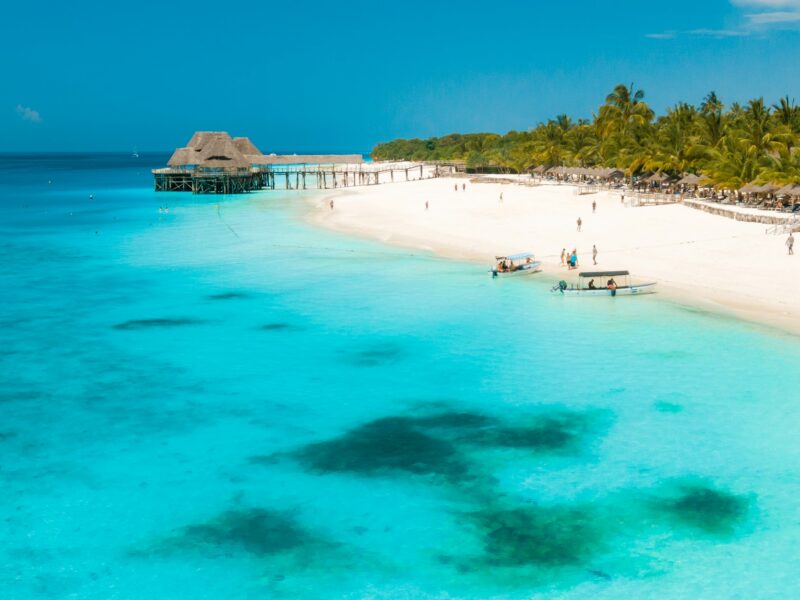
Warm weather, beautiful beaches, a relaxed pace and a growing community of travellers make Zanzibar a popular base for remote work.
Internet in practice
4G mobile data is available in most areas, and many hotels and coworking spaces offer Wi-Fi. Power cuts can happen, so choose accommodation with backup power and carry a power bank.
Best areas
| Area | Vibe |
|---|---|
| Paje | Kitesurfing, social, coworking options |
| Jambiani | Quiet, village life |
| Stone Town | Urban, cultural |
| Nungwi | Lively, beach bars |
Legal requirements
Check visa rules carefully for longer stays and remember the Zanzibar insurance requirement. Working on a tourist visa may have restrictions; seek official guidance.
Daily life
Local markets offer fresh produce, and many cafés welcome laptop workers. Respect local customs, especially regarding dress.
Weekend escapes
Take a safari from Zanzibar: a Nyerere day trip or a 3-day Serengeti safari.
Health
Bring a medical kit and know where clinics are.
Remote worker checklist
- Reliable Wi-Fi and backup data
- Power bank and surge protector
- Insurance and visa checked
- Quiet workspace
Time zones and your working day
Tanzania uses East Africa Time, three hours ahead of UTC, with no daylight saving changes. That works well for colleagues in Europe, where the difference is only one to three hours depending on the season. For North American teams, you may need to work late afternoons and evenings, which can fit neatly around a beach morning.
| Your team is in | Typical overlap |
|---|---|
| UK and western Europe | Most of the working day |
| Middle East and India | Mornings and early afternoon |
| North America | Late afternoon and evening in Zanzibar |
| Australia | Early mornings in Zanzibar |
Choosing a long-stay base
Before you commit to a month or more, check:
- A recent Wi-Fi speed test from the accommodation, ideally sent as a screenshot
- Whether there is a generator, inverter or solar backup for power cuts
- A proper desk and chair, not just a dining table
- Air conditioning or a good fan for the hottest months
- Distance to a supermarket, pharmacy and clinic
- Walking access to the beach and a few cafés
Many remote workers book a week in a guesthouse first, then look for a longer rental once they know the area. Our guide to the best beaches in Zanzibar explains the character of each coast.
Seasons for remote workers
The weather affects both your productivity and your free time. June to October is dry and breezy, and the kitesurfing season in Paje is usually strong during the windier months. December to February is hot and humid, which makes air conditioning important. The long rains, roughly March to May, can bring more frequent power and connectivity interruptions, but also quieter beaches and lower rents. See Tanzania weather by month before choosing dates.
Your tech kit
- A laptop and phone with surge protection
- A local SIM plus a travel eSIM as backup; our SIM card and internet guide explains the options
- A pocket Wi-Fi router if you need to share data across devices
- Noise-cancelling headphones for calls in busy cafés
- A small universal adapter; Tanzania mainly uses UK-style Type G sockets, though older Type D sockets can appear
Making the most of your time off
Living on Zanzibar gives you time to explore properly rather than rushing. Try a weekend in Stone Town, a dhow trip, snorkelling at Mnemba or a short safari. From the island, a 3 days Serengeti safari from Zanzibar fits neatly between two working weeks, while a Nyerere day trip works for a single free day.
Being a good neighbour
Long stays make you part of the community. Learn a few Swahili greetings, dress modestly in villages and Stone Town, shop at local markets and pay fair prices. Small gestures build goodwill and lead to richer experiences.
Cost of living
Varies by area and season; long-stay rentals can be negotiated.
Health and safety
Comprehensive insurance and a good medical contact are essential.
Planning a trip? Our Arusha team can put together a tailor-made, itemised quote, often the same day. Plan my safari or browse our private safari deals.
Further reading
Learn more from independent, authoritative sources: