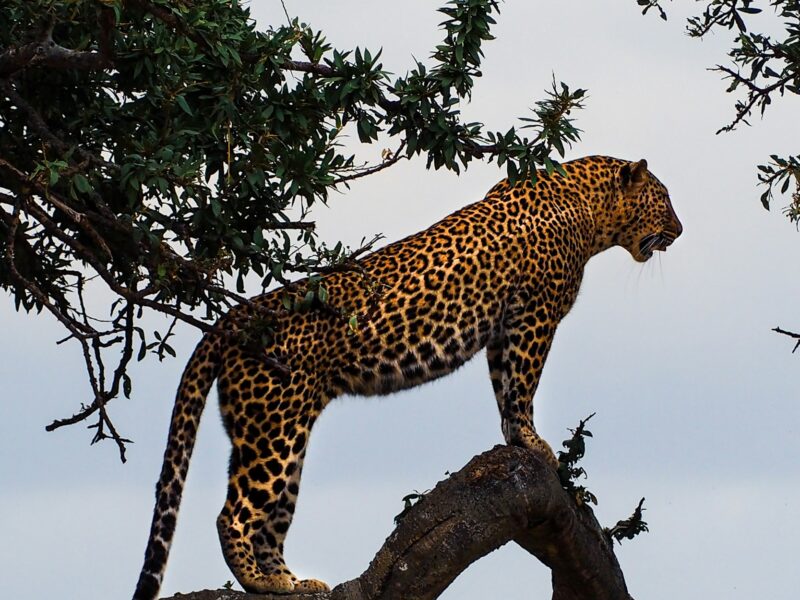
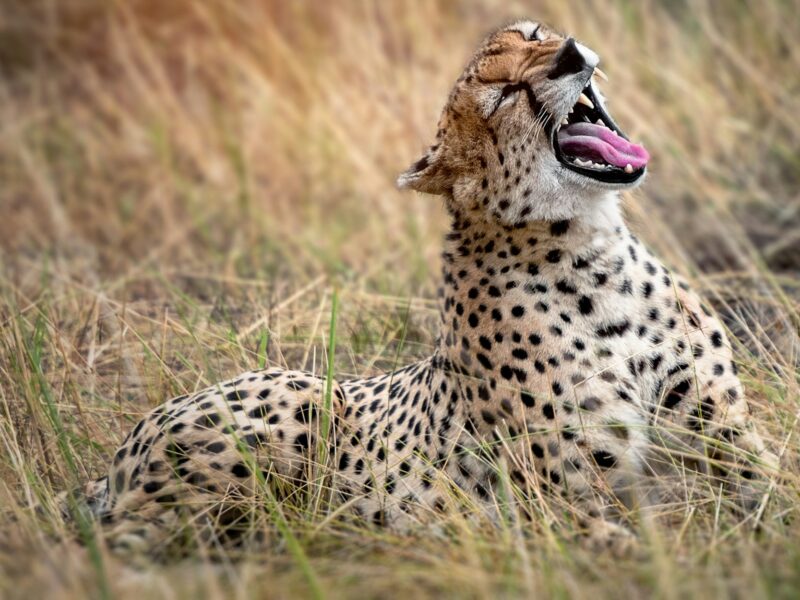
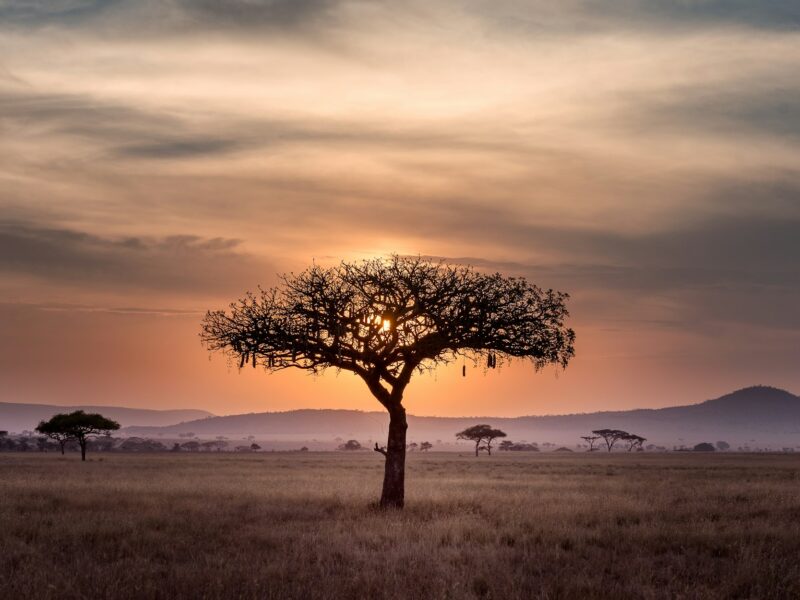
Great wildlife images rarely come from a quick stop and a hurried click. A Tanzania private safari for wildlife photographers gives you exclusive use of a 4×4 with a pop-up roof and a driver-guide who understands that waiting for a cheetah to lift its head is not wasted time. You decide when to leave camp, where to park and how long to stay.
This page looks at what makes a photographic trip different, the vehicle features worth asking about, the parks and seasons that reward photographers, practical gear advice, and a sample itinerary. Whether you shoot with a professional body and long lens or a capable bridge camera, the principles are the same.
What Changes on a Tanzania Private Safari for Wildlife Photographers
On a shared drive, the vehicle moves when most passengers have seen enough. That rarely matches the moment a subject does something interesting. With your own vehicle, you can ask the guide to switch off the engine to cut vibration, reposition so the light falls behind you, or simply sit for an hour beside a den in the hope of action.
A thoughtful guide reads animal behaviour and anticipates movement, placing the vehicle where a subject is likely to walk rather than where it is right now. Explain your goals on day one, whether that is low-angle portraits, environmental scenes or action, and your guide can plan each drive around them.
Vehicle Set-Up Worth Asking About
The vehicle is your studio for most of the trip, so details matter:
- A pop-up roof that gives clear, high shooting positions in every direction
- Fewer passengers, so you can spread across seats and switch sides quickly
- Space for beanbags, which are more practical than tripods inside a vehicle
- Charging options for batteries; confirm what is available when you book
- Open windows on both sides for lower, more intimate angles
Our page on the private safari Land Cruiser and guide explains the vehicle in more detail.
Where to Point Your Lens
Each park offers different subjects and backdrops. This comparison helps you prioritise.
| Park | Signature subjects | Photographic notes |
|---|---|---|
| Serengeti | Big cats, migration herds, kopjes | Vast skies and long horizons suit wide scenes and silhouettes |
| Ngorongoro Crater | Lions, black rhino at distance, flamingos | Crater walls make dramatic backdrops; morning mist adds atmosphere |
| Tarangire | Elephant herds, baobabs, oxpeckers | Dusty dry-season light gives warm, textured frames |
| Lake Manyara | Birdlife, baboons, forest scenes | Shaded groundwater forest needs higher ISO settings |
| Ruaha and Nyerere | Large predators, rivers, wilder landscapes | Fewer vehicles, ideal for uncluttered compositions |
For the crater, the Ngorongoro Conservation Area article explains how the caldera formed and why wildlife concentrates there.
Seasons and Light for Photography
Every season has its own look. The long dry season, roughly June to October, brings thinning vegetation and animals gathered at water, which simplifies compositions. Dust in the air softens late light into warm tones. Around January and February, calving on the southern plains brings newborn wildebeest and active predators against lush green grass.
The long rains around April and May produce dramatic skies and clean air, though some roads become difficult and many camps close for a spell. Short rains around November tend to come as brief showers that clear quickly. If following the herds is your main aim, our Great Migration private safari page goes into more detail. The Britannica guide to the Serengeti is also a helpful primer on the ecosystem.
Practical Gear and Field Tips
- Bring a long telephoto for portraits and a wide lens for landscapes and herds.
- Pack a blower and sealable bags, as fine dust gets everywhere in dry months.
- Carry spare batteries and several memory cards, and back up each evening.
- Keep a second body ready if possible, to avoid changing lenses in dust.
- Respect park rules on staying on designated tracks, and never crowd animals.
Our Tanzania safari packing list covers clothing and personal items, and the specialist photography safaris section shows dedicated itineraries.
Sample Eight-Day Photography Route
- Day 1: Arrive at Kilimanjaro and spend a quiet evening preparing equipment in Arusha.
- Day 2: Tarangire for elephants under baobabs in late afternoon light.
- Day 3: Morning in Tarangire, then on to the Ngorongoro highlands.
- Day 4: Into the Serengeti with a sunset drive among the kopjes.
- Day 5: Dawn departure in the central Serengeti for big cats on the move.
- Day 6: A full day positioned around whatever behaviour the guide has found.
- Day 7: Early descent into Ngorongoro Crater for misty morning scenes.
- Day 8: Return to Arusha for an onward flight or a beach extension.
Those focused on cats may prefer more time in one area; see our Serengeti private safari options.
Book Your Photographic Trip
Share your target species, preferred season and the equipment you are bringing, and we will design a route that gives you time and light where it counts. Request a free tailor-made quote, or explore the wider Tanzania private safari range.