12 tips
- Use optical zoom only
- Shoot in burst mode for action
- Tap to focus on the eyes
- Shoot at golden hour
- Steady your phone on the vehicle
- Try digiscoping through binoculars
- Use portrait mode for close animals
- Capture landscapes in panorama
- Record short videos
- Clean your lens often
- Carry a power bank
- Edit lightly
Accessories
Clip-on telephoto lenses and small bean bags help.
Backup
Back up photos nightly.
Understanding your phone’s zoom
Most phones have one or more fixed lenses (for example 1x, 3x, 5x). Beyond these, the phone crops digitally, which reduces quality. Use the optical lens closest to your subject and get closer with the vehicle where appropriate.
Composition basics
- Use the rule of thirds: place the animal off-centre
- Leave space in the direction the animal is looking
- Get eye level with the subject when possible
- Include the landscape for context
Light
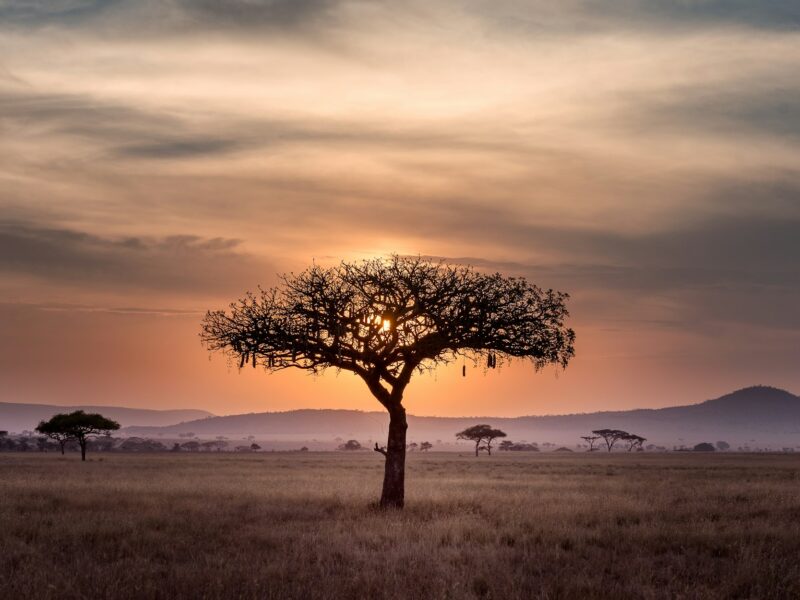
Golden hour, shortly after sunrise and before sunset, gives warm light and long shadows. Midday light is harsh; use it for landscapes or rest.
Action shots
Use burst mode for running animals and birds in flight. Lock focus and exposure by tapping and holding on the subject.
Video tips
Short clips of 10–20 seconds are easier to edit. Keep the phone steady and avoid zooming while recording.
Night and low light
Night mode works for camp scenes and sunsets, but avoid using flash on animals.
Editing
Adjust brightness, contrast and straighten horizons. Avoid heavy filters for natural results.
Gear checklist
| Item | Why |
|---|---|
| Power bank | Long days away from power |
| Clip-on telephoto | Extra reach |
| Small bean bag | Stability on the window |
| Lens cloth | Dust is everywhere |
Settings for common safari situations
| Situation | What to try |
|---|---|
| Lion resting in shade | Tap to focus on the eyes, lower exposure slightly |
| Cheetah running | Burst mode, lock focus, keep the phone moving with the animal |
| Elephant herd at dusk | Lower exposure to keep sky colour, shoot silhouettes |
| Birds on a branch | Use your longest optical lens, steady on a bean bag |
| Wide landscapes | Main lens, horizon on a third line, include sky |
| Night in camp | Night mode, phone braced against something solid |
Shooting from the vehicle
Safari vehicles with pop-up roofs or open sides give you a great platform, but they also bring challenges:
- Ask your guide to switch off the engine to remove vibration
- Rest your phone or elbows on a bean bag or folded jacket
- Shoot through the open window or roof hatch, never through glass if you can avoid it
- Wait for other passengers to settle, as any movement shakes the vehicle
- Keep your hands and phone inside when animals are close
A private vehicle gives you more control over positioning and timing; see our photography safaris in Tanzania for trips built around this.
Protecting your phone
Dust, heat and bumps are the biggest risks. Keep your phone in a zipped pocket or small pouch between shots, and wipe the lens with a microfibre cloth before each sighting. Avoid leaving it on the dashboard in the sun, where it can overheat and shut down. A strap or lanyard prevents drops over the side of the vehicle, which happen more often than you might think.
A storytelling shot list
Great safari albums tell a story, not just a list of animals. Try to capture:
- The landscape at dawn, with mist or soft light
- Wide shots that show animals in their habitat
- Close details such as eyes, fur, feathers or tracks in the dust
- Behaviour: grooming, playing, feeding, interaction between animals
- People: your guide at work, camp staff, picnic breakfasts
- Night scenes around the campfire
Bird photography with a phone
Birds are small and fast, so they challenge phone cameras. Your best chances come with large, slow birds such as secretary birds, ground hornbills, storks and kori bustards, or with birds perched close to the vehicle. Lilac-breasted rollers often sit still on branches and are a favourite subject. In the Ngorongoro Crater and around soda lakes, flamingo flocks make excellent patterns; see our Lake Natron flamingos guide.
When to put the phone down
Some of the best safari moments are seen best with your own eyes and binoculars. If an encounter is fleeting, watch it rather than fumbling with settings. Ask your guide about the animal’s behaviour, and you will often anticipate the next great shot. Our 8 days Serengeti photography safari builds in long, unhurried sightings for exactly this reason. To check whether you should bring extra gear, read our Tanzania safari packing list.
Ethics
Never ask guides to get too close or disturb animals for a photo.
Planning a trip? Our Arusha team can put together a tailor-made, itemised quote, often the same day. Plan my safari or browse our private safari deals.
Further reading
Learn more from independent, authoritative sources: