Climbers from Java often know volcanoes well. Semeru, Merbabu and Lawu are popular treks, and many have tackled Rinjani on nearby Lombok. Kilimanjaro is also volcanic, but at 5,895 metres it is a different scale of challenge. This page explains how we approach Kilimanjaro climbing with Javanese speaking guide requests, and why clear communication counts for so much once you are high on the mountain.
From Java’s Peaks to the Roof of Africa
Even experienced volcano trekkers usually meet a new limit on Kilimanjaro: the thin air above 4,000 metres. Fitness helps, but it does not prevent altitude sickness. The key is a gradual ascent, good hydration and honest conversations with your guides every day. A summit night that starts around midnight in sub-zero temperatures also feels nothing like a dawn hike on Bromo.
Why the Daily Health Checks Need Clear Answers
Your guides use a pulse oximeter each day to measure oxygen saturation and heart rate, and they ask about headaches, sleep, breathing and appetite. Those numbers only tell part of the story. Your description of how you feel completes it, and that is much easier in a language you think in. The same is true of safety briefings: what to do if a teammate becomes confused, when to add layers, and the turnaround time on summit day.
Kilimanjaro Climbing with Javanese Speaking Guide Support: The Crew
Kilimanjaro’s rules require every climb to be led by licensed mountain guides working with a registered operator. A usual team has a lead guide, assistant guides, a cook and porters, communicating in Swahili and English.
A Javanese speaker would join as the lead or assistant guide, or as an interpreter climbing with your group. Native-speaking Javanese mountain guides are rare. The realistic options are a guide who speaks Javanese as a second language, an English-speaking guide alongside an accompanying interpreter, or written briefings in Javanese where we can provide them. If your group is more comfortable in Indonesian or Dutch, say so, because that widens the search. We confirm the arrangement before you book, never promise a specific option, and point out that support is harder to find close to departure, although we still try for late requests.
Route Options
- Lemosho: a scenic western route with excellent acclimatisation over seven or eight days.
- Machame: popular, varied and a good balance of challenge and time.
- Northern Circuit: the longest and quietest, circling the northern slopes.
- Marangu: hut accommodation and a steady gradient.
- Rongai: a northern approach that is often drier.
- Umbwe: steep and direct, for experienced trekkers only.
Our Kilimanjaro climbing page covers each route in more detail. If you are unsure, tell us about your trekking history and we will suggest the one that best matches your experience and time.
Preparing and Choosing Your Month
The most reliable windows are generally January to March and June to October. Train with long walks on consecutive days with a loaded daypack. Coming from a tropical climate, invest in proper thermal layers, a down jacket and warm gloves for the summit. Halal meals can be prepared by the mountain cook when requested, and guides can allow time for prayer at camp.
Check entry rules for your passport on the official Tanzania eVisa portal, as they can change.
Adding a Safari or Zanzibar
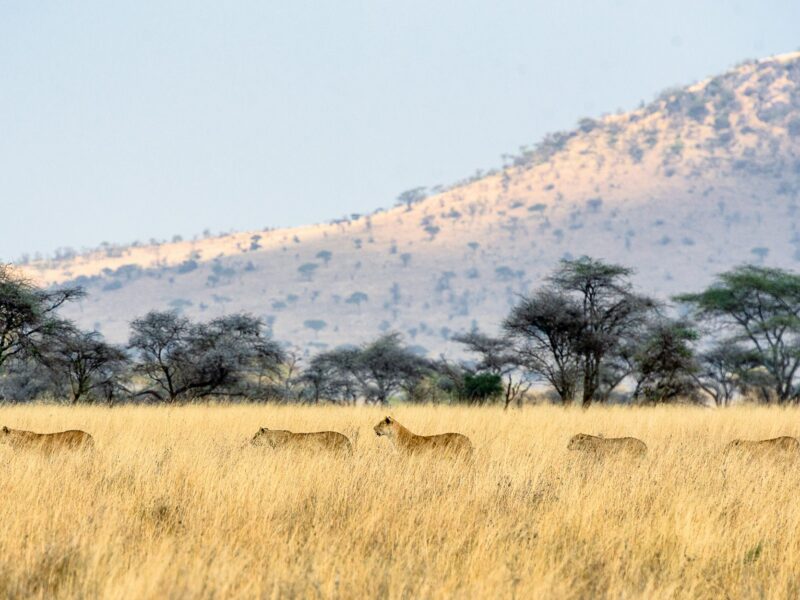
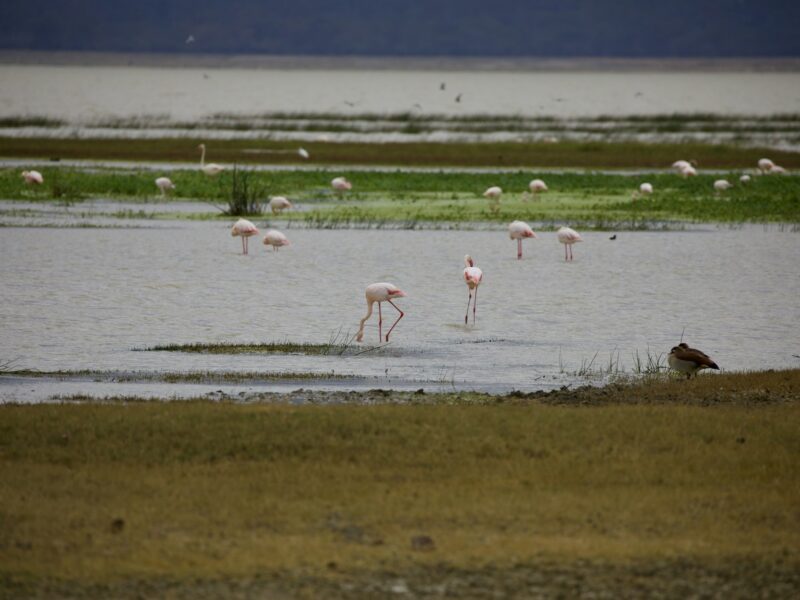
After the climb, many people rest on Zanzibar’s beaches or spend a few days in the Serengeti and Ngorongoro Crater. See our combined climb and safari ideas, then send your dates through the planning form. Background on the Javanese language is available on Wikipedia.
Javanese Climber Questions
More Language Guides
Prefer to plan in another language? See all our safari and Kilimanjaro guides by language, or browse: