Few wildlife events match the sight of the short-grass plains filling with newborn wildebeest. A calving season Tanzania private safari takes you to Ndutu and the southern Serengeti, typically around January to February, when the herds gather to give birth and predators follow close behind. With your own 4×4, pop-up roof and driver-guide, you can stay with a herd for as long as the scene unfolds.
This page explains what happens during calving, where it takes place, how to plan the timing, where to stay and what a typical five-day route looks like.
What Happens During the Calving Season
The southern plains offer nutrient-rich grass after the short rains, which supports lactating females. Huge numbers of calves are born over a short window, and the young can usually stand and run within minutes of birth. This synchronised timing means predators cannot take more than a fraction of the young.
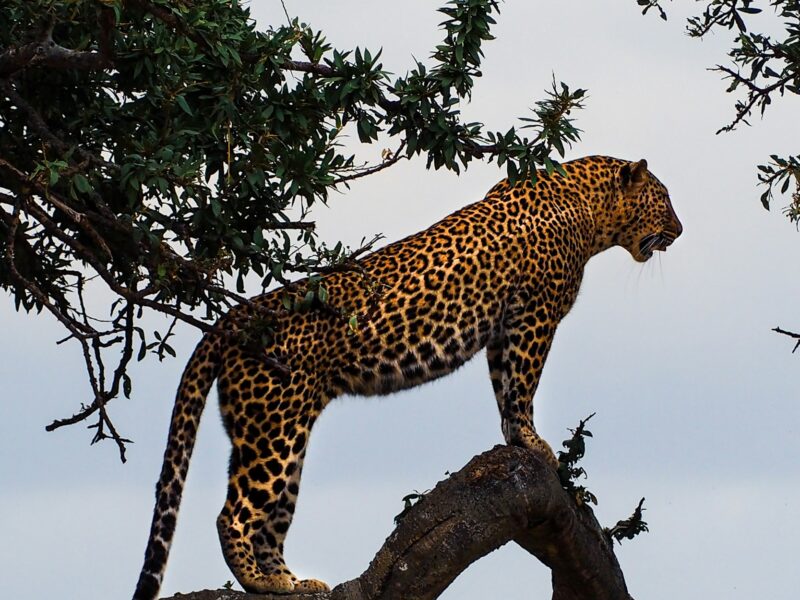
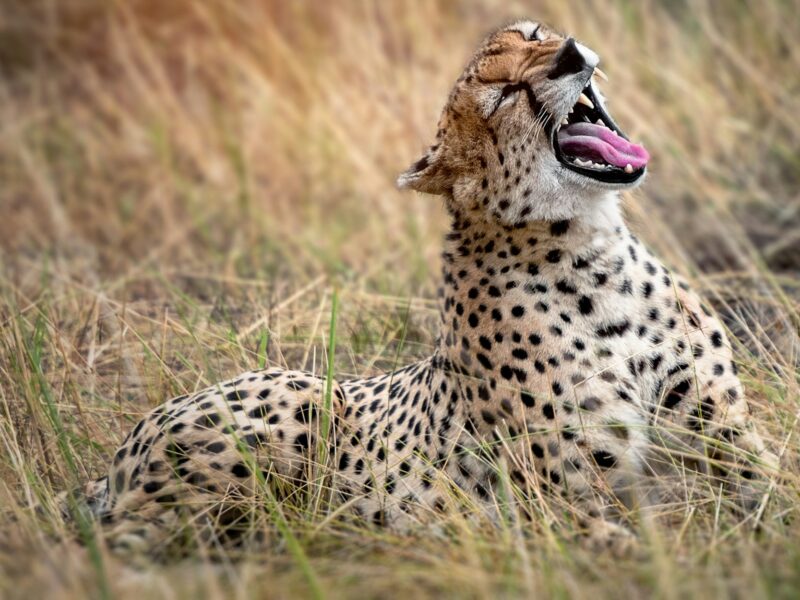
For visitors, the result is extraordinary activity. Lions, cheetahs, spotted hyenas and jackals are drawn to the herds, and you may witness hunts, chases and tender moments between mothers and calves in a single morning. Outcomes are never certain, and much depends on recent rainfall.
Why a Calving Season Tanzania Private Safari Makes Sense
The calving grounds cover a broad area straddling the Serengeti and the Ngorongoro Conservation Area, and the herds can move several kilometres in a day. A private vehicle gives you the freedom to search widely, follow tracks and wait out a cheetah stalk without anyone asking to move on.
- Leave at first light, when predators are most active
- Stay with a sighting for as long as it holds your interest
- Shape each day around your guide’s latest information
- Bring a picnic and stay out on the plains through the middle of the day
Ndutu or the Central Serengeti?
Both areas can be rewarding, but they offer different experiences in this season.
| Feature | Ndutu and southern plains | Central Serengeti |
|---|---|---|
| Main draw | Calving herds and attendant predators | Resident big cats and varied habitat |
| Landscape | Open short-grass plains and small lakes | Kopjes, river woodland and grassland |
| Herd presence | Usually high in calving months | Variable, depending on the rains |
| Best for | Predator-prey action and newborn scenes | A broader wildlife mix |
Many itineraries combine both. Our Ndutu safari area guide explains the terrain, and the Serengeti National Park overview puts the region in context.
Weather and Timing
January and February often fall in a drier spell between the short rains around November and the long rains around April to May, although showers can still occur. Grass is green, skies are often clear in the mornings and dramatic in the afternoons, and temperatures on the plains are pleasant.
Calving does not begin on a fixed date. Some years it starts early, others later, depending on rainfall. Building in an extra day or two improves your chances of being there at the right moment.
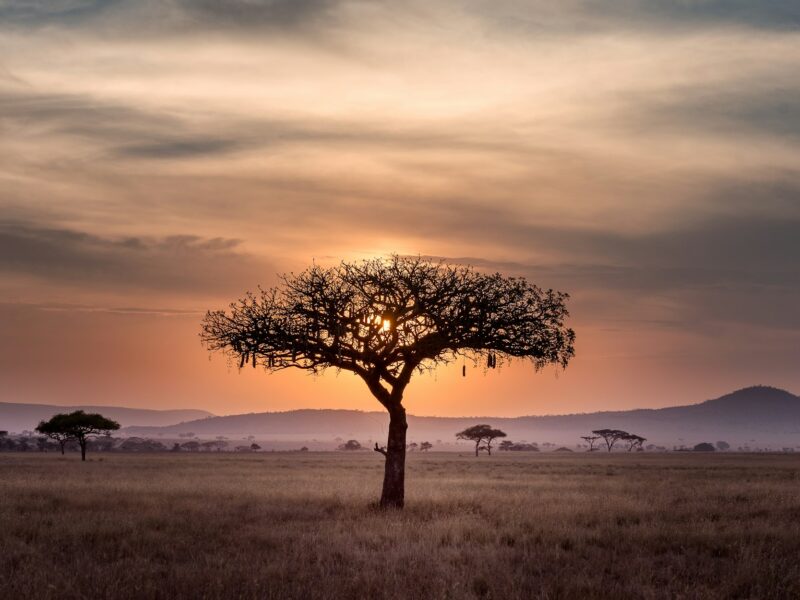
The plains are open and largely treeless, so shade is scarce; a hat, sun cream and plenty of drinking water are essential. Your guide will usually find a lone acacia or a lakeside spot for a picnic lunch, and afternoon cloud often builds into towering thunderheads over the distant hills.
Where to Stay in Calving Season
Accommodation around Ndutu includes permanent lodges and seasonal tented camps set up to be near the herds during these months. Options range from simple camps to comfortable mid-range tented properties and high-end camps with spacious tents. Seasonal camps fill quickly, so early enquiries help secure a good location.
Many travellers spend a night or two near Karatu or on the Ngorongoro crater rim before or after Ndutu, which breaks up the drive and adds a crater visit. Information on the conservation area and its rules is available from the Ngorongoro Conservation Area Authority.
Sample Five-Day Calving Itinerary
- Day 1: Arrive at Kilimanjaro and rest at a lodge near Arusha.
- Day 2: Drive through the highlands to Ndutu, with a game drive en route.
- Day 3: Full day on the southern plains following the herds and predators.
- Day 4: A second full day around Ndutu’s lakes and woodland edges.
- Day 5: Morning drive, then descend into Ngorongoro Crater before returning to Arusha.
Prefer a ready-made plan? See the five-day private Ndutu calving safari package.
Tips for Photographing Calving
The action often happens fast and close, so a mid-range zoom is useful alongside a longer lens. Morning light is soft and the grass is green, giving clean backgrounds. If photography is central to your trip, our private safari for wildlife photographers page has more ideas. For the wider story of the herds’ annual loop, read about the Great Migration on a private safari.
Request Your Calving Season Quote
Let us know your preferred dates and travel style, and we will suggest the best combination of lodges and plains for your trip. Request a free tailor-made quote, and see all our ideas for a Tanzania private safari.