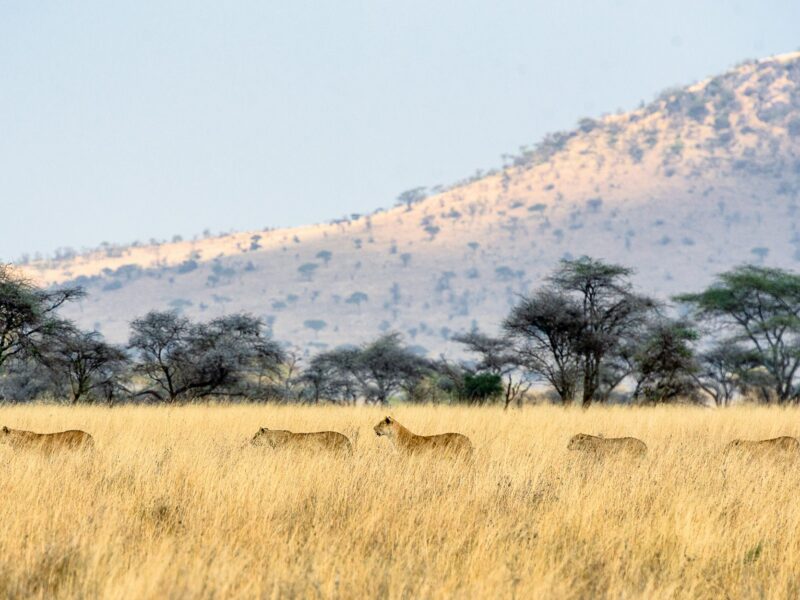
An 8 days Tanzania birding safari opens with the forests of Arusha National Park and reaches the Ndutu area on the southern edge of the Serengeti ecosystem, where short-grass plains, marshes and acacia woodland meet. Outside the Ndutu season, roughly December to March, the same nights move to the central Serengeti.
Travelling on a Tanzania private safari keeps everything flexible, so your guide can follow fresh reports, change the order of drives or linger wherever birds are active. Eight days also leaves room for an unhurried pace.
At a Glance
- Duration: 8 days, 7 nights
- Route: Arusha NP, Tarangire, Lake Manyara, Karatu, Ndutu, central Serengeti, Ngorongoro, Arusha
- Best months: December to March for Ndutu; November to April overall
- Ideal for: keen birders who want forest, savannah and open plains
- Pace: steady, with several full days
Day-by-Day Itinerary
Day 1: Arusha National Park
Begin at Arusha National Park, a short drive from town or from JRO. Forest roads around Ngurdoto hold Hartlaub’s Turaco and Silvery-cheeked Hornbill, while the Momella Lakes often host flamingos, Little Grebes and a selection of ducks.
On clear afternoons Mount Meru and Kilimanjaro may both be visible from the lakes. Overnight: lodge near Arusha.
Day 2: Tarangire
Drive two to three hours to Tarangire for a full afternoon among the baobabs. The woodland is the place to look for Yellow-collared Lovebird, Ashy Starling and Rufous-tailed Weaver, and Red-and-yellow Barbets often call from termite mounds.
Late in the day, scan the dead trees along the river for perched vultures and the swamp edges for Saddle-billed Stork. Overnight: tented camp near Tarangire.
Day 3: Lake Manyara
Explore Lake Manyara’s groundwater forest in the morning and the shoreline later, with hornbills, Yellow-billed Storks and Great White Pelicans all possible. In the afternoon, climb the escarpment to Karatu.
The cooler air of Karatu makes a pleasant change after two warm days, and the coffee farms around town are good for an evening stroll with binoculars. Overnight: Karatu lodge.
Day 4: Karatu to Ndutu
Cross the Ngorongoro highlands and descend to the plains, birding on the way. Woodland around Lake Ndutu and Lake Masek holds Fischer’s Lovebird, and the open grass suits larks, coursers and sandgrouse, with soda-lake edges sometimes attracting flamingos.
Overnight: tented camp in the Ndutu area.
Day 5: Ndutu
A full day in the Ndutu area may bring Kori Bustard, Secretarybird and Ostrich, and raptors such as Tawny Eagle and Pallid Harrier hunt over the grass. In the calving season, around January and February, the plains can be busy with wildebeest and predators.
Driving off-road is not allowed in the protected areas, so your guide keeps to the tracks and positions the vehicle carefully. Overnight: same Ndutu camp.
Day 6: Ndutu to the Central Serengeti
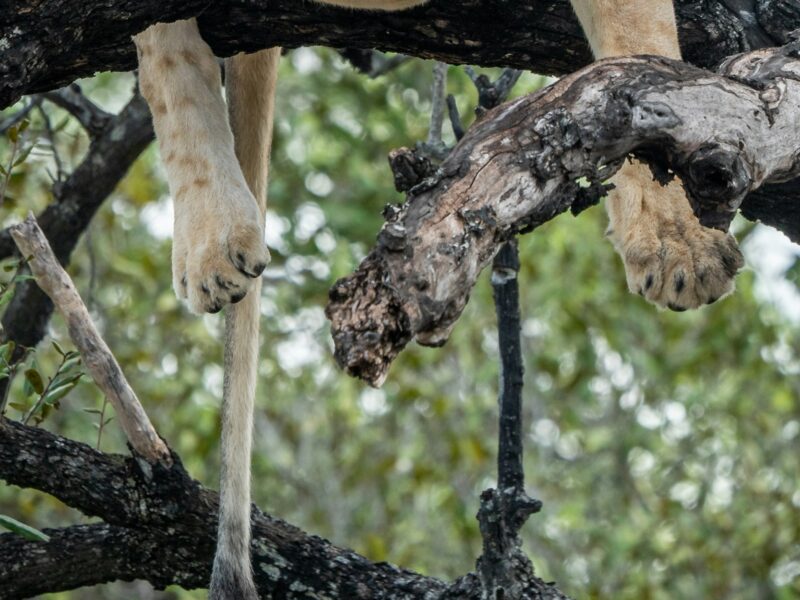
Drive north across the plains to the central Serengeti, birding as you go. Grey-breasted Spurfowl, Rüppell’s Vultures and Martial Eagles are possible around Seronera, and kopjes provide shade for lions and leopards.
Overnight: Seronera area camp.
Day 7: Serengeti to the Crater Rim
After a morning drive, return through the plains to the highlands for afternoon birding along the forest edge on the rim, where sunbirds and Augur Buzzards are regular. Golden-winged Sunbirds sometimes feed on flowering plants close to the road, and the views down into the crater are a fine preview of the final day.
Overnight: lodge on the rim.
Day 8: Ngorongoro Crater and Departure
Descend into the crater early for Grey Crowned Crane, Kori Bustard and the waterbirds of the swamps, with a chance of flamingos on Lake Magadi. Time on the floor is limited by current rules, after which you drive back to Arusha or JRO with a final picnic on the way.
Included and Not Included
- Private vehicle and safari guide
- Park fees in quoted packages
- Meals and water on safari
- Seven nights of accommodation
- Not included: international flights and visas
- Not included: tips, drinks and insurance
Birding Support and Targets
Request a specialist bird guide when you enquire and we will check availability for your dates. Bring binoculars and a field guide; we supply a checklist, and eBird works well if you prefer keeping records on your phone.
Targets include Hartlaub’s Turaco in the Meru forest, Yellow-collared Lovebird in Tarangire and Fischer’s Lovebird at Ndutu. All are possible but never guaranteed.
Ndutu’s plains reward scanning, so a scope is helpful if you own one. Your guide will also help with the trickier larks and pipits.
Seasons and Who Should Book
December to March is the Ndutu season, which overlaps neatly with the best months for Palearctic migrants. Check gate times and park rules with Tanzania National Parks before you travel.
This route suits keen birders who want a long, varied list with forest, savannah and plains. Compare the 7 day route and the 9 day Lake Natron route, or see every option on the Tanzania birding safari hub.
Plan Your Trip
Send your dates and group size through our safari planner, and we will confirm the best seasonal version of this route.