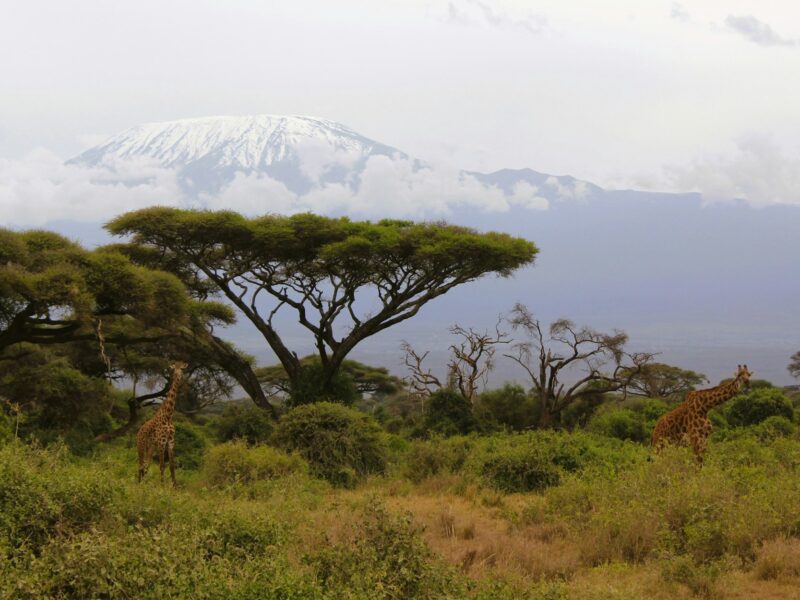
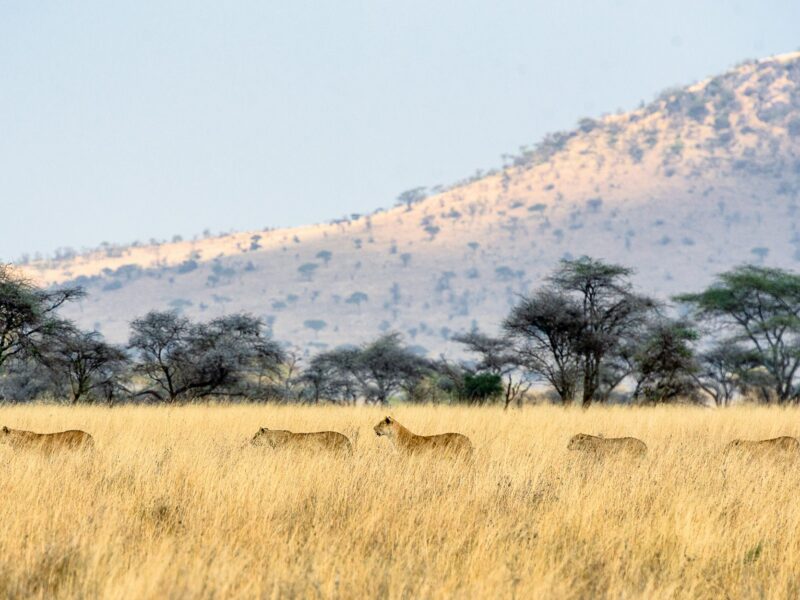
A 6 days Tanzania birding safari is the point at which the whole northern circuit fits comfortably: Tarangire, Lake Manyara, two nights in the Serengeti and the Ngorongoro Crater, with an afternoon set aside for highland forest. It is our most popular length for keen birders on a first visit.
Booking it as a Tanzania private safari lets you shape each day around birds rather than a fixed group timetable. Your guide can stretch a morning at a productive spot and save time elsewhere.
At a Glance
- Duration: 6 days, 5 nights
- Route: Arusha, Tarangire, Lake Manyara, Karatu, Serengeti, Ngorongoro rim and crater, Arusha
- Best months: November to April, with good resident birding all year
- Ideal for: first-time visitors who want the complete northern circuit
- Pace: balanced, with two full days on the plains
Day-by-Day Itinerary
Day 1: Tarangire National Park
Leave Arusha after breakfast for Tarangire National Park, around two to three hours away. Afternoon drives along the river often produce Yellow-collared Lovebirds, Ashy Starlings and Rufous-tailed Weavers, and elephants gather at the water in the dry months.
Watch for Southern Ground Hornbills walking through the grass and Lilac-breasted Rollers on exposed perches. Overnight: lodge overlooking the Tarangire area.
Day 2: Lake Manyara and Karatu
A morning drive at Lake Manyara starts in the groundwater forest, where hornbills and sunbirds call from the canopy. The shoreline adds pelicans, storks, African Spoonbills and, at times, flamingos.
Grey-headed Kingfishers often perch along the forest track, and the escarpment cliffs are worth scanning for soaring raptors. In the afternoon you climb to Karatu, a green farming town on the edge of the highlands, where lodge gardens can add mousebirds, sunbirds and seedeaters before dark. Overnight: garden lodge in Karatu.
Day 3: Karatu to the Serengeti
Today is a long drive with game viewing on the way. The road rises through the Ngorongoro forest before dropping onto the plains, where Ostriches, Secretarybirds and larks become regular sightings.
Enter the Serengeti at Naabi Hill, where the acacia-covered slope often hosts small birds around the picnic area, and continue to the central area, birding as you go. Expect to arrive with a list of plains species already ticked. Overnight: tented camp near Seronera.
Day 4: Serengeti Plains and River Woodland
Spend the whole day exploring the Serengeti around Seronera. River woodland holds Fischer’s Lovebird and Grey-breasted Spurfowl, while the open plains are good for raptors such as Martial Eagle and Black-chested Snake Eagle.
Your guide will also keep an eye out for big cats, which are often found near the kopjes. During the rains, temporary pools on the plains attract storks, sandpipers and Egyptian Geese, so a slow loop past the water can be surprisingly productive. Overnight: second night at the Seronera camp.
Day 5: Serengeti to the Ngorongoro Highlands
After an early drive in the Serengeti, return across the plains to the highlands. The afternoon is set aside for slow birding along the forest edge on the crater rim, where sunbirds, white-eyes and Augur Buzzards are frequent.
Overnight: lodge near the Ngorongoro rim, with cool evenings and often a fire.
Day 6: Ngorongoro Crater and Departure
Descend into the crater early for Kori Bustard, Grey Crowned Crane and the waterbirds of Lake Magadi and the swamps. Current regulations limit your hours on the floor, after which you climb out and head back to Arusha or JRO in the late afternoon.
Included and Not Included
- Private vehicle with pop-up roof and dedicated guide
- Park and conservation fees in quoted packages
- All meals on safari and water in the vehicle
- Five nights in lodges and tented camps
- Excluded: international flights and visas
- Excluded: tips, drinks and personal insurance
Birding Guide, Kit and Targets
If you would like an ornithology specialist rather than a generalist guide, just ask when booking. Bring a pair of binoculars per person and an East Africa field guide; we provide a checklist, or you can log sightings with eBird.
Targets include Yellow-collared Lovebird and Ashy Starling in Tarangire, Fischer’s Lovebird and Grey-breasted Spurfowl in the Serengeti, and Grey Crowned Crane in the crater. All are possible, none certain.
With six days, you have a little slack in the schedule. If a target bird has not appeared, your guide can rearrange a morning to revisit a likely habitat rather than moving on.
Season and Suitability
November to April is the prime period, with migrants such as European Bee-eaters and Steppe Eagles present. April and May bring heavier rain. Gate times and park rules are updated by Tanzania National Parks.
This trip suits birders and mixed groups who want the full circuit at a sensible pace. Shorter: the 5 day route. Longer: the 7 day route with Lake Eyasi. See all options on the Tanzania birding safari hub.
Plan Your Six-Day Safari
Use our planning form to share dates and group size, and we will reply with a tailored route.