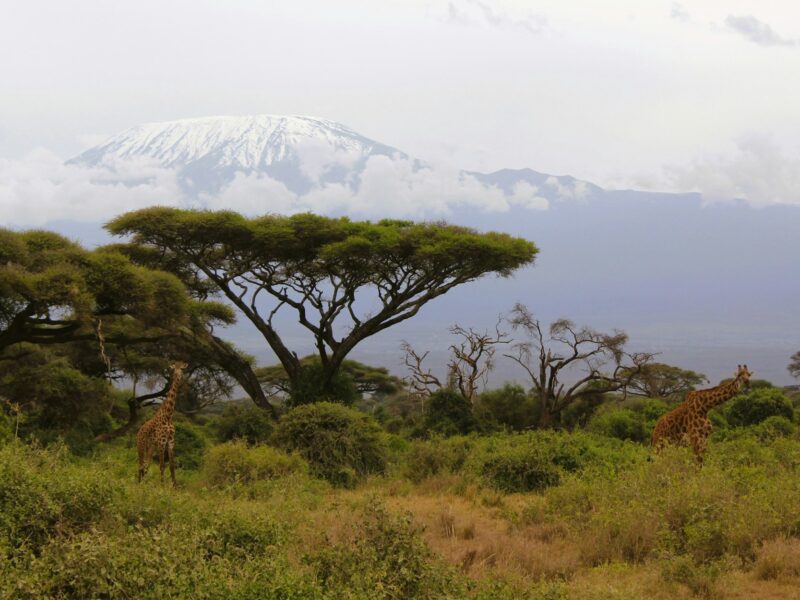
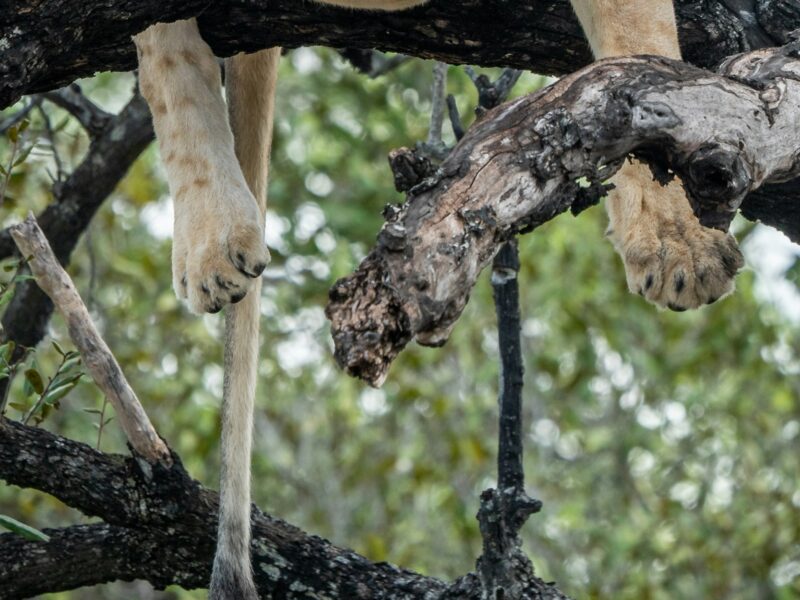
Our 3 days Tanzania birding safari packs three very different habitats into a short break: the baobab woodland of Tarangire National Park, the groundwater forest and alkaline shoreline of Lake Manyara, and the grassland floor of the Ngorongoro Crater. It suits travellers with limited time who still want a serious bird list alongside elephants, buffalo and perhaps a lion or two.
Because this is a Tanzania private safari, you decide the rhythm with your guide. Stop for a roller on a dead branch, wait at a waterhole for sandgrouse, or shorten lunch to spend longer at the lake edge. Distances stay modest, with no more than three hours on the road between parks.
At a Glance
- Duration: 3 days, 2 nights
- Route: Arusha, Tarangire, Lake Manyara, Karatu, Ngorongoro Crater, Arusha
- Best months: November to April, for migrants and breeding plumage
- Ideal for: first-time birders and travellers with a short window
- Pace: moderate, with full days in the field
Day-by-Day Itinerary
Day 1: Arusha to Tarangire National Park
Your guide collects you from your Arusha hotel or from Kilimanjaro International Airport (JRO) early in the morning, and the drive south to Tarangire takes about two to three hours. Once inside, the river valley and its baobab woodland make an excellent introduction to East African birds.
Look for Yellow-collared Lovebirds feeding in small, noisy flocks, Ashy Starlings around the acacias and Rufous-tailed Weavers near the picnic sites. Lilac-breasted Rollers, Red-and-yellow Barbets and Von der Decken’s Hornbills are often seen, and Bateleurs patrol overhead. Overnight: tented camp close to Tarangire.
Day 2: Lake Manyara National Park
After breakfast you head to Lake Manyara National Park, under two hours away at the foot of the Rift Valley escarpment. The groundwater forest near the entrance is shady and full of calls, with a chance of Silvery-cheeked Hornbills and a variety of greenbuls and sunbirds.
Further on, the track opens towards the shore, where Yellow-billed Storks, Great White Pelicans and African Spoonbills often gather, and flamingos may be present depending on water levels. In the afternoon you climb the escarpment to the cooler highlands. Overnight: lodge in the Karatu area.
Day 3: Ngorongoro Crater and Return to Arusha
An early start takes you through the misty forest on the crater rim, where Augur Buzzards hunt along the verges, before you descend into the Ngorongoro Crater. The open grassland is good for Kori Bustard and Grey Crowned Crane, Lake Magadi often holds flamingos, and the marshes attract herons and ibises.
Time on the crater floor is limited by current conservation area rules, so your guide plans the circuit with care. Rufous-tailed Weavers and Capped Wheatears often hop around the picnic site, and Black Kites watch for unguarded sandwiches, so eat inside the vehicle if your guide suggests it. After lunch you climb out and drive back to Arusha, arriving in the late afternoon, or continue to JRO for an evening flight.
Included and Not Included
- Private safari vehicle and driver-guide
- Park and crater fees in quoted packages
- Meals on safari and drinking water
- Two nights’ accommodation as listed
- Not included: international flights and visas
- Not included: tips, drinks and personal insurance
Birding Notes for a Short Trip
A specialist bird guide can be booked on request; otherwise your safari guide will know the common species of each park. Bring your own binoculars, ideally one pair per person, and a field guide covering East Africa. We supply a printed checklist, and many guests also log sightings on eBird as they go.
Target species on this route include Yellow-collared Lovebird, Ashy Starling and Rufous-tailed Weaver, all closely tied to this corner of Tanzania. Grey Crowned Crane and Kori Bustard are realistic hopes in the crater, though no sighting is ever certain.
On a trip this short, the best tactic is to concentrate on habitat edges: the line where Tarangire’s riverine trees meet open grass, the forest margin at Manyara and the reed beds inside the crater. Your guide will slow down at these transitions, where mixed flocks and hunting raptors tend to appear.
When to Go and Who This Trip Suits
November to April brings Palearctic visitors such as European Rollers and White Storks, and resident weavers and widowbirds are in their brightest colours. Showers increase towards April and May but rarely last all day. Gate times are set by the park authority, and the latest regulations are posted by Tanzania National Parks.
This itinerary suits couples, solo travellers and families with older children who want a taste of birding without a long commitment. If you can spare one more day, the 4 days Tanzania birding safari adds the forests and lakes of Arusha National Park. Every route in our Tanzania birding safari collection can be adjusted.
Book Your Short Birding Break
Send your preferred dates and group size through our safari planning form and we will come back with a tailored proposal. Flexible start dates are welcome.