A Tarangire and Lake Manyara Tanzania private safari pairs two of the northern circuit’s most accessible parks, both within easy reach of Arusha. Tarangire is known for its baobab trees and large elephant herds; Lake Manyara for its groundwater forest, escarpment views and rich birdlife. With your own vehicle and driver-guide, you can explore both at your own pace in just a few days.
These parks are often treated as stepping stones on the way to the Serengeti, but they deserve attention in their own right. This page explains what makes each one special, how they compare, the best time to visit and what a short private itinerary might look like.
Tarangire and Lake Manyara Tanzania Private Safari: Why Pair Them
The two parks complement each other neatly. Tarangire is open savannah and woodland threaded by a river, while Lake Manyara is a narrow strip between a rift valley wall and a shallow alkaline lake. Driving distances are short, so you spend more time watching wildlife and less time on the road. That makes the combination a strong choice for travellers with limited time, for those arriving after a long flight who want a gentle start, and for anyone adding a few days of wildlife to a Kilimanjaro climb or a Zanzibar stay.
A private vehicle matters here too. Tarangire is large enough that the busier central loops can be avoided in favour of quieter tracks further south, and your guide can choose when to head out and where to linger. In Lake Manyara the forest section rewards slow driving with frequent stops, which is far easier when nobody else in the vehicle is waiting to move on.
Tarangire: Baobabs and Elephants
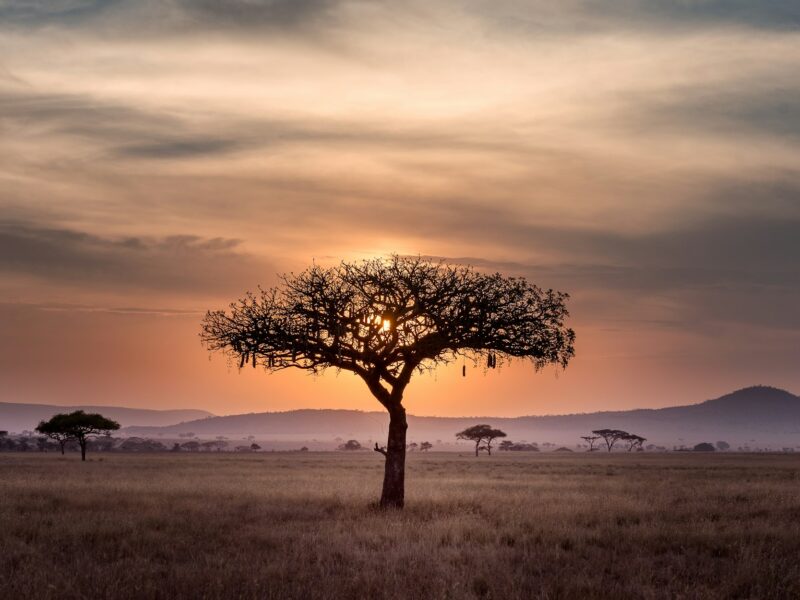
Tarangire National Park is at its best in the long dry season, roughly June to October, when the Tarangire River becomes a magnet for wildlife. Elephants gather in impressive numbers, and you may also see buffalo, zebra, wildebeest, giraffe and predators such as lions. The ancient baobabs make for memorable photographs, and the park’s birdlife is excellent all year. Our Tarangire National Park guide covers the park in more detail.
Lake Manyara: Forest, Escarpment and Lake
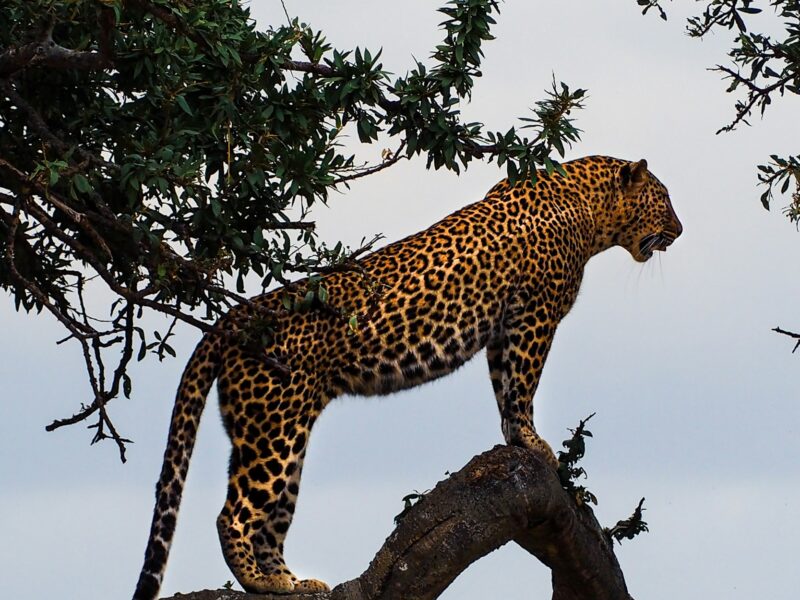
Lake Manyara National Park begins with dense groundwater forest where baboons and blue monkeys move through the trees. Further in, the landscape opens up around the lake shore, with buffalo, hippo and giraffe. The park has a reputation for lions that rest in trees, though such sightings are occasional and never certain. Water birds are a highlight, and flamingos sometimes gather on the lake depending on conditions. See our Lake Manyara National Park page for more.
The Two Parks Side by Side
| Feature | Tarangire | Lake Manyara |
|---|---|---|
| Landscape | Savannah, woodland, river valley, baobabs | Groundwater forest, escarpment, alkaline lake |
| Wildlife highlight | Large elephant herds | Primates, hippos, water birds |
| Best season | Long dry season | Year-round, with birds especially good in the wetter months |
| Time needed | A full day or more | Half a day to a full day |
| Distance from Arusha | Relatively close | Relatively close, near Mto wa Mbu |
Sample Three-Day Private Outline
- Day 1: Leave Arusha in the morning and drive to Tarangire for an afternoon game drive; overnight at a lodge or tented camp near the park.
- Day 2: A full day in Tarangire, exploring the river valley and the quieter southern areas.
- Day 3: Drive to Lake Manyara for a morning game drive through the forest and along the lake shore, then return to Arusha in the late afternoon.
This route fits easily into a longer trip; our three-day Tarangire, Ngorongoro and Lake Manyara safari adds a crater descent, and the private safari tours from Arusha page shows other short routes starting in the city.
When to Go and Who It Suits
Tarangire is most rewarding from June to October, when wildlife concentrates near the river. Lake Manyara can be visited year-round, and the greener months bring migrant birds. The long rains, roughly April to May, can make some tracks muddy, and many camps often offer lower rates then. Birdwatchers find both parks especially rewarding, as our page on a private safari for birdwatchers explains. The short drives also make this combination suitable for families and older travellers.
Accommodation is varied and convenient. Lodges and tented camps sit on ridges and hillsides around Tarangire, some with views over the river valley, while the village of Mto wa Mbu near Lake Manyara has campsites and budget guesthouses as well as access to a lively local market. Mid-range and luxury properties are found on the escarpment above Lake Manyara, with sweeping views across the rift valley floor. Choosing where to sleep usually depends on whether you want to be inside a park for the earliest start or nearby with more facilities.
Book Your Tarangire and Manyara Trip
Let us know your dates and how many days you have, and we will suggest the right balance of time in each park and where to stay. Read more about the full Tanzania private safari style, then request a free quote for Tarangire and Lake Manyara.