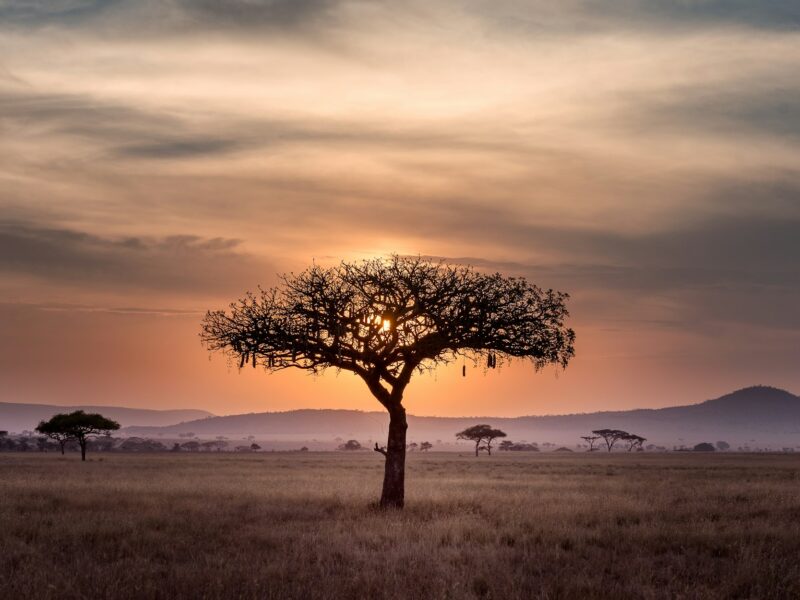
A Ngorongoro Crater Tanzania private safari takes you down the steep walls of a vast volcanic caldera into a self-contained world of grassland, swamp, forest and soda lake. Having your own vehicle and driver-guide here means you can be among the first down in the morning, choose which corners of the crater floor to explore and spend your permitted time where the wildlife is, not where a group schedule says you should be.
The crater is part of the wider Ngorongoro Conservation Area, a landscape shared by wildlife and Maasai pastoralists. This page explains how a crater day works, what you may see, what lies beyond the rim, where to stay and how to combine Ngorongoro with neighbouring parks. For a fuller description of the area, read our Ngorongoro Crater destination guide.
Why Choose a Ngorongoro Crater Tanzania Private Safari
The crater is compact compared with the Serengeti, and wildlife density on the floor is often high, which makes it rewarding even with limited time. But it is also popular, and vehicles can gather at the best-known sightings. A private trip lets your guide plan around that: entering early, heading for quieter areas first and returning to busier spots when others have moved on. You also choose when to stop for your picnic and how long to stay with each scene.
Descending into the Crater
Days usually start before sunrise from a lodge or camp on the rim or in the highlands around Karatu. The descent road winds down the crater wall, opening up views across the floor as the mist lifts. Time on the floor is regulated by the conservation authority, and rules and fees can change, so check the current information from the Ngorongoro Conservation Area Authority. Your guide will plan the day to make the most of the time allowed, typically with a picnic lunch at a designated site before ascending in the afternoon.
What You May See on the Crater Floor
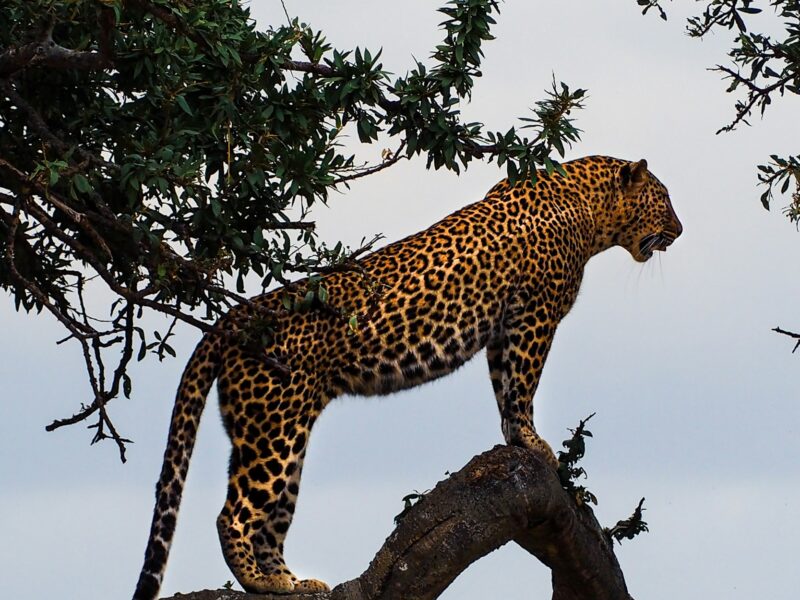
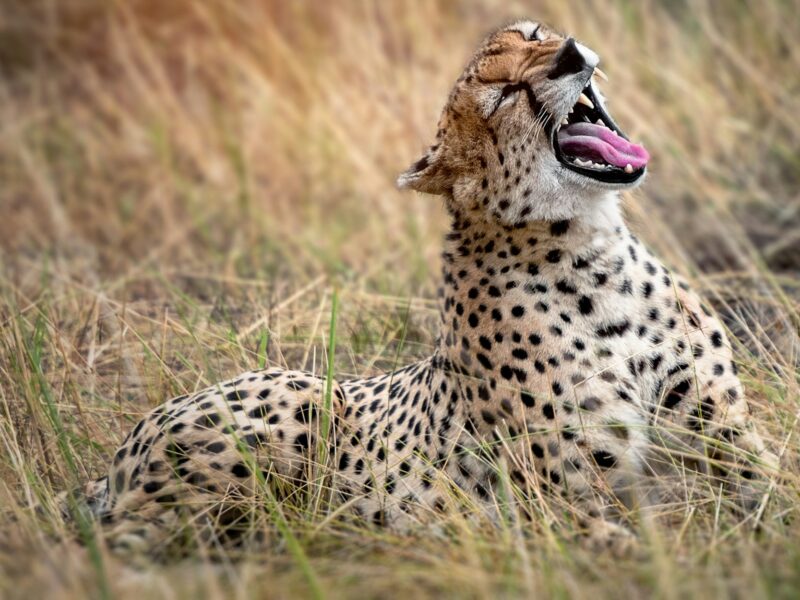
The floor supports zebra, wildebeest, buffalo, gazelle, hippo and elephant, along with lions and spotted hyenas. It is also one of the few places in northern Tanzania where black rhino may be seen, though they are scarce and often keep their distance, so a sighting can never be promised. Flamingos sometimes gather on the soda lake, depending on water levels. Birdlife is rich, from crowned cranes in the grassland to kori bustards striding across the plains.
Because the crater walls are high, the light changes quickly through the day. Early mornings often bring mist drifting across the rim and soft light on the grasslands, while midday can be bright and hazy. Good binoculars are well worth bringing, since some of the most interesting sightings, such as rhino or a lion hunting in tall grass, may be at a distance. Your guide will know the tracks, the picnic sites and the quieter corners, and can adjust the route as the day unfolds.
Beyond the Crater Rim
The Conservation Area stretches far beyond the caldera. Olduvai Gorge, linked to important discoveries about early humans, lies a short detour from the road towards the Serengeti. Empakaai Crater, to the north-east, offers a quieter walk down to a lake, subject to arrangements with a ranger. You may pass Maasai herders moving cattle across the highlands; a cultural visit can be arranged if you would like to learn more about the Maasai people and their way of life. These additions suit travellers with an extra day.
Combining the Crater with Other Parks
| Option | Typical structure | Suits |
|---|---|---|
| Crater day trip | Drive from Arusha, descend, return the same day | Short stays and tight schedules |
| Crater plus Tarangire or Lake Manyara | Two or three days on the northern circuit | Travellers with limited time who want variety |
| Crater plus Serengeti | Usually four days or more | First-time visitors seeking the classic route |
| Full northern circuit | Tarangire, Lake Manyara, Ngorongoro and Serengeti | Those with a week or longer |
If you only have one day, our Ngorongoro Crater day trip covers the essentials. For a short, varied itinerary, see the three-day private safari. If your dates are close, the Ngorongoro Crater safari page explains how quick planning works, with availability and any offers depending on dates and lodges.
Where to Stay: The Rim or the Highlands
Lodges on the rim offer dramatic views and the earliest possible start, and they are often at the luxury end. The rim is high and nights are cold, so expect fireplaces and extra blankets. Farm lodges and guesthouses in the Karatu highlands, a short drive away, cover budget and mid-range levels, with gardens, coffee plantations and milder evenings. Public campsites on the rim suit hardy travellers and are part of many camping routes.
Book Your Crater Safari
Families often love the crater because it delivers so much wildlife in a single day; our page on the private safari with kids explains how we pace things for children. To see how the crater fits into the wider Tanzania private safari picture, explore the full guide, then get a free crater itinerary tailored to your dates.