Tanzania’s green season covers the short rains (November to December) and the long rains (March to May). Rain usually comes in afternoon storms rather than all day.
8 reasons to go
- Lower lodge rates, especially April and May
- Fewer vehicles at sightings
- Calving season and baby animals
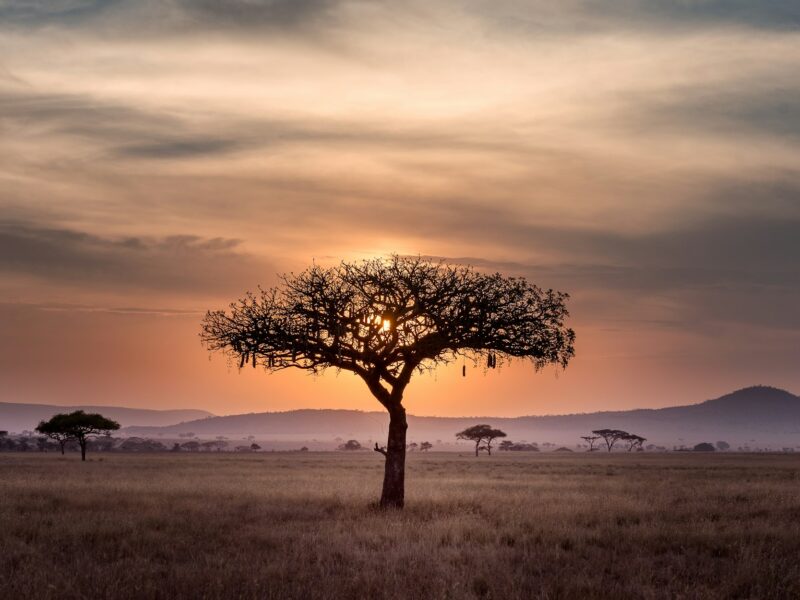
- Dramatic skies for photography
- Migrant birds from Europe and Asia
- Lush green landscapes
- Easier lodge availability
- Dust-free air
Things to know
- Some southern camps close in April and May
- Roads can be muddy; 4×4 vehicles handle them well
- Pack a light rain jacket
Try our calving season safari.
Month by month in the green season
- November and December: short rains, herds moving south
- January and February: drier spell, calving season
- March: rains build
- April and May: long rains, lowest rates, lush scenery
Photography in the green season
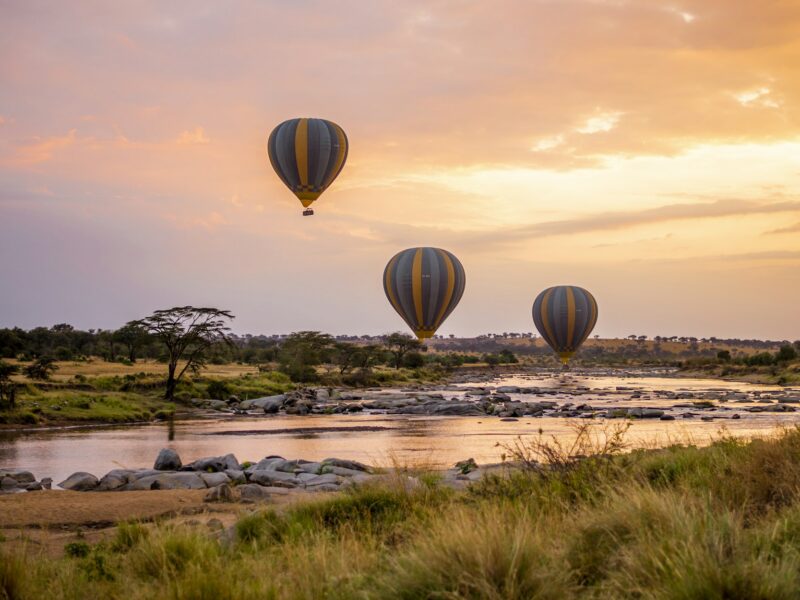
Clear air, dramatic clouds and green backdrops make it a favourite with photographers.
Is it worth it?
For flexible travellers, yes: great value and fewer vehicles.
What to pack
Light rain jacket, quick-dry clothing and waterproof bags for cameras.
Wildlife highlights
Newborn animals, migrant birds and dramatic storms.
Myths about the rainy season
“It rains all day”
Usually not. Most rain falls in afternoon or evening storms, leaving mornings clear.
“Animals disappear”
Many animals stay, and the Serengeti‘s southern plains host the migration during much of the green season.
“Roads are impassable”
Main routes remain open; 4×4 vehicles and experienced guides handle muddy sections.
The best green-season destinations
| Destination | Why |
|---|---|
| Ndutu and southern Serengeti | Calving season |
| Ngorongoro Crater | Resident wildlife all year |
| Tarangire | Green landscapes, birds |
| Zanzibar (except April–May) | Quiet beaches |
Who should travel in the green season?
Budget-conscious travellers, photographers and repeat visitors.
Green season itineraries
Try the calving season safari or a safari and Zanzibar combination in November.
What the rains are really like
The green season is not one long downpour. Rainfall varies by region and year, but this pattern is typical of the northern parks.
| Period | Typical rainfall pattern | Game drive impact |
|---|---|---|
| November to December | Short rains, often showers in the afternoon | Little impact; mornings are usually clear |
| January to February | Often a drier spell between the rains | Excellent conditions in the south of the Serengeti |
| March | Rains increase | Some muddy patches; still very good game viewing |
| April to May | Long rains, heavier and more frequent | Some roads slower; quiet parks and low rates |
Birding at its best
From roughly November to April, migratory birds arrive from Europe and Asia, joining Tanzania’s resident species. Many resident birds also breed in the rains and show their brightest plumage. Lake Manyara, Tarangire and the Ngorongoro Crater are rewarding, with storks, raptors, bee-eaters and waders. Even if you are not a keen birder, your guide will point out species you will not see in the dry season. Our Lake Manyara National Park guide describes its rich birdlife.
Health and comfort in the rains
Mosquitoes are more active in wet months, so speak to a travel clinic about malaria prevention and pack a repellent containing an effective ingredient such as DEET or picaridin. Wear long sleeves and trousers in the evenings. Temperatures can be warm during the day and cool at night, particularly in higher areas such as the Ngorongoro highlands. A light waterproof, a fleece and quick-drying clothes cover almost every situation. Our Tanzania weather by month guide gives a more detailed picture.
Where to go and where to avoid
Not every park suits the green season equally. In the north, the southern Serengeti and Ndutu come alive with the herds and newborn calves between December and March, while the crater has resident wildlife all year. Tarangire is greener and quieter, with elephants more dispersed. In the south, some camps in Ruaha and Nyerere close during the long rains, and roads can be challenging, so we usually suggest these parks from June onwards. On Zanzibar, April and May bring the heaviest rain, but November to March is usually lovely for a beach finish.
Smart planning tips
- Plan game drives early in the morning, when rain is least likely
- Choose camps with covered dining areas and comfortable lounges for afternoon storms
- Allow a little extra time for transfers in April and May
- Keep camera gear in a dry bag and carry a microfibre cloth
- Ask about green-season rates and longer-stay offers
For itineraries that make the most of this time, see the 5 days private Ndutu calving safari or browse our Tanzania private safari deals.
Who will love it most
The green season particularly suits travellers who value space and atmosphere over a guaranteed blue sky. Photographers enjoy the clear air and dramatic light. Repeat visitors appreciate seeing familiar parks in a new way. Couples and honeymooners often find the quieter camps more romantic, and the lower rates can make a longer stay or a beach extension possible.
Planning a trip? Our Arusha team can put together a tailor-made, itemised quote, often the same day. Plan my safari or browse our private safari deals.
Further reading
Learn more from independent, authoritative sources: