Our 8 days Tanzania family safari is designed around the seasons: in the calving months it spends time in the Ndutu area, where the wildebeest herds often gather to give birth, and at other times of year it gives you extra days in the central Serengeti. Either way, you travel as a Tanzania private safari with your own guide and vehicle.
The calving season in Ndutu runs around January and February, and seeing newborn wildebeest and zebra foals is a moving experience for children and adults alike. Find shorter and longer routes on our Tanzania family safari page.
At a Glance
- Duration: 8 days, 7 nights
- Route: Tarangire, Lake Manyara, Ndutu or central Serengeti, Ngorongoro Crater
- Best months: January to February for calving; June to October for the dry season
- Ideal for: families wanting a deeper Serengeti experience
- Pace: unhurried, with four nights on the plains
Day-by-Day Itinerary
Day 1: Arusha to Tarangire
Leave Arusha after breakfast and drive about two to three hours to Tarangire. The park is especially rewarding in the dry season, when elephants gather along the river. Overnight: a lodge on the Tarangire boundary with views across the bush.
Day 2: Lake Manyara and Karatu
Explore the forest and lake shore of Lake Manyara National Park in the morning, keeping an eye out for elephants walking among the trees. Continue to Karatu for a relaxed afternoon, with an optional coffee farm visit or a swim. Overnight: a highland lodge in Karatu.
Day 3: To Ndutu or the Central Serengeti
Drive over the Ngorongoro highlands, pausing at the crater viewpoint. In the calving months you head south-west to the Ndutu area on the edge of the Serengeti; at other times you continue across the plains to the central Serengeti. Both are long days, with game viewing along the way. Overnight: a tented camp in Ndutu or the central Serengeti.
Day 4: Exploring Ndutu or the Serengeti
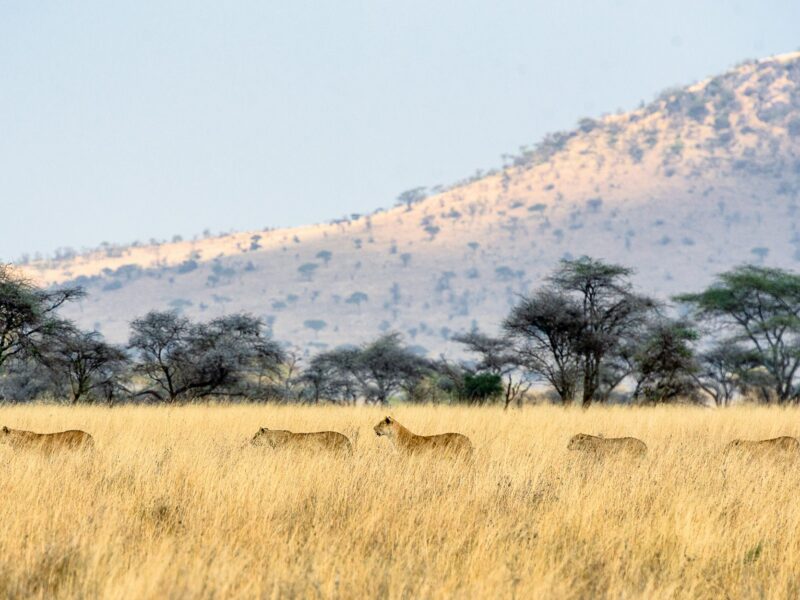
In season, Ndutu’s short-grass plains can be full of wildebeest and zebras, and predators such as lions, cheetahs and hyenas follow the herds. Outside calving season, the central Serengeti’s rivers and kopjes offer excellent year-round game viewing. Overnight: the same camp.
Day 5: A Second Full Day on the Plains
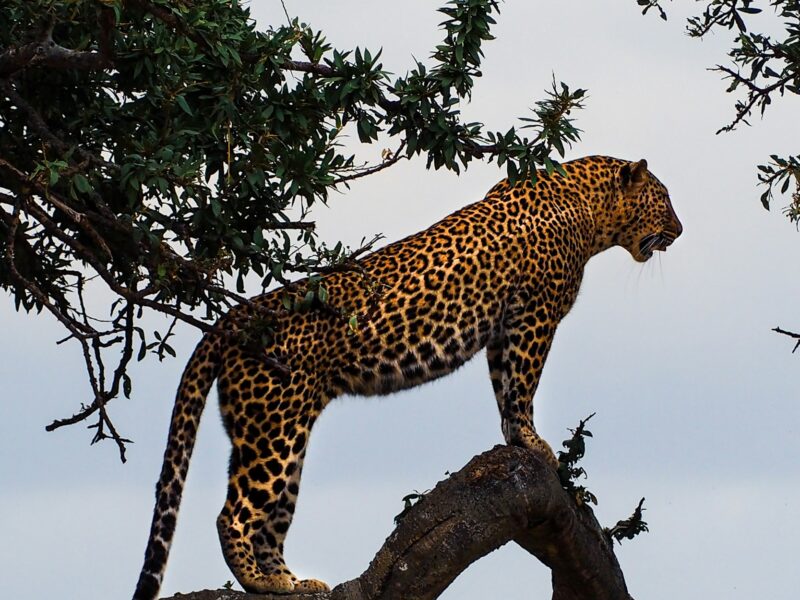
Use this day to range further, perhaps following the herds if they are near, or searching for leopards along the Seronera River. Children often enjoy keeping a tally of species, and by now many can tell a topi from a hartebeest. Overnight: the same camp, or a move to the central Serengeti if you started in Ndutu.
Day 6: Central Serengeti
Spend a final full day in the Serengeti, with an early start for the best light and active cats. The afternoon can be as busy or as quiet as your family likes. Overnight: a central Serengeti camp.
Day 7: Return to the Ngorongoro Highlands
Enjoy a morning drive on your way out of the Serengeti, then cross the plains and climb into the highlands. Arrive at your lodge with time to rest before the crater, and perhaps a short guided walk in the lodge grounds where children are allowed. Overnight: a lodge near the crater rim.
Day 8: Ngorongoro Crater and Arusha
Finish with a morning in the Ngorongoro Crater, home to lions, buffalo and elephants. After a picnic lunch, drive back to Arusha to end your journey.
Included and Not Included
Included in a typical quote:
- Private vehicle and guide
- Park fees in quoted packages
- Meals on safari
- Drinking water
Not included:
- International flights
- Visas
- Tips
- Drinks
- Personal insurance
Taking Children to Ndutu and the Serengeti
Four nights on the plains gives you time to slow down, and your guide can plan shorter drives on some days so younger travellers do not tire. Ndutu camps vary widely, from simple seasonal camps to more comfortable lodges, and some set minimum ages for children.
We will check age limits, family tents and interconnecting rooms at each property before confirming. Ask a travel clinic for advice on malaria prevention and vaccinations, and bring a small kit of familiar basics such as plasters for the children.
When to Travel and Who Should Go
January to February is the heart of calving season in Ndutu, though the herds’ movements change each year and their position cannot be promised. June to October is dry and excellent for the central Serengeti. In April and May, the long rains often lead to lower rates, and many camps close. This trip suits families who want a deeper safari, children fascinated by predators and anyone hoping to see the calving season. See Tanzania National Parks and the Ngorongoro Conservation Area Authority for park details; Ndutu lies within the conservation area.
Plan Your Trip
Prefer a shorter week? Try the 7 days Tanzania family safari, or step up to the 9 days Tanzania family safari. Our guide to family safaris has more inspiration, and you can plan your calving safari with us today.